


8 common health problems to look out for in senior cats

What are the most common medical problems for senior cats?
Arthritis
Lumps
Dental problems
Kidney disease
Hyperthyroidism
Heart disease
Gastrointestinal disease
Dementia
Products in this article

8 common health problems to look out for in senior cats
This guide helps provide information on some of the most common conditions in senior cats, how to recognise the symptoms, and what treatment is available.
What are the most common medical problems for senior cats?
Cats are considered senior at around 10 years old. Geriatric is then used from around 15 years onward. The average life expectancy for cats in the UK is 14 years, though it is slightly lower than this for purebred cats.
Arthritis
Arthritis is an extremely common problem in senior cats, present in up to 80% of cats over 10 years of age. It’s an inflammatory condition that affects the joints and causes irreversible damage.
Symptoms of arthritis include stiffness, changes in toileting, reluctance to jump, and pacing at night.
The diagnosis of arthritis involves a full physical examination and, ideally, imaging, such as x-rays.
Arthritis in cats cannot be cured, but it can be managed with pain medication, special nutrition, joint supplements, weight control, and lifestyle changes.
Click here to read more about arthritis in cats. This article includes a lot of information about changes you can make at home to make your cat more comfortable.
Lumps
Senior cats are prone to developing lumps and bumps, which can appear anywhere on the body. These lumps are most commonly fatty tissue, cat bite abscesses, warts, or benign growths. However, some lumps can be malignant. If your cat develops a lump that is rapidly growing, painful, or has discharge from it (including blood), then try to speak with a vet as soon as possible.
To diagnose what type of lump it is, your vet will take a sample of the tissue to examine the cells inside it. This can be done by a needle aspirate, biopsy, or removing the whole lump.
Your vet may advise you to monitor lumps such as lipomas (fatty lumps), cysts, or benign lumps if they are small and not causing any pain. Abscesses usually require antibiotics and pain relief. For fast-growing, larger, or malignant lumps, your vet will most likely recommend surgical removal. Chemotherapy and radiotherapy are also available for cats that have certain types of cancer.
Our article on lumps in cats has lots of useful information for pet owners.
Dental problems
Dental problems such as infections or abscesses, tooth loss, and periodontal disease are very common in older cats. Studies report that, from as young as 4 years old, over 50% of cats suffer from some form of dental disease. This percentage increases with age. Proper dental care is extremely important for senior cats. Although they do not show it, your cat may be in a lot of pain.
Certain breeds of cats are more susceptible to dental disease, including Siamese and Maine Coons. Overweight cats are also more prone to dental disease.
Symptoms of dental disease include bad breath, drooling, losing weight, chewing on one side, and facial swellings.
If your cat has dental problems, your vet will most likely recommend dental work under general anaesthesia. This usually involves dental x-rays, any necessary extractions, and cleaning the teeth. There are also specialist dental vets for more complicated procedures.
You can help reduce and prevent dental disease in your cat by brushing their teeth regularly and switching to a special dental food.
It’s important to get your cat checked regularly for dental disease. If left untreated, it can lead to more serious problems in the heart, lungs, and kidneys.
Kidney disease
Kidney disease is very common in senior cats. It affects up to 30% of cats over 10 years old and 50% of cats over 15 years old. Causes of kidney disease include ageing changes, infections, and exposure to toxins.
Common symptoms of kidney disease include drinking more than normal, weight loss, vomiting, lethargy, and peeing more than normal.
The diagnosis of kidney disease mainly involves blood and urine tests.
Unfortunately, kidney disease is not curable, but in many cases, it can be managed for a while with a special diet and medication to help with sickness, reduced appetite, and any blood pressure abnormalities.
Kidney disease in cats can be described as acute (sudden onset) or chronic (gradual). Click on the links to explore them individually.
Hyperthyroidism
Hyperthyroidism is a condition in cats where they have an overactive thyroid gland. The most common cause of this is a benign mass in the gland. It is more common in senior cats.
Symptoms of hyperthyroidism in cats include weight loss, drinking more than normal, an increased appetite, and a dull coat.
Blood tests will diagnose hyperthyroidism in cats.
There are many treatments available for hyperthyroidism in cats, including surgery, radioactive iodine treatment, or medications to slow the production of the thyroid hormone.
Heart disease
There are different types of heart disease that cats can develop. Heart disease in cats is sadly not curable, but it can often be well managed to give them a good quality of life.
Symptoms of heart disease include sleeping more, weight loss, weakness, and breathing more quickly than normal.
Vets usually diagnose heart problems using a combination of blood tests, x-rays, an ECG, and a heart scan.
There are many medications available for treating heart disease in cats. Your vet will advise on what is best for your cat depending on their symptoms, type of heart problem, and if there are any complications of the condition, such as high blood pressure.
Our article about heart problems in cats goes into more detail about what to expect with heart disease.
Gastrointestinal disease
Vomiting, diarrhoea or constipation in senior cats can be a sign that there is a problem in the digestive system itself, but also a problem elsewhere in the body, such as kidney disease.
Mild cases of tummy upsets should pass within 24-48 hours. Symptoms that go on for longer than this or develop together with other symptoms like weight loss or drinking more than normal may indicate that there are underlying problems.
Inflammatory bowel disease tends to affect middle-aged to older cats. Symptoms include vomiting, and diarrhoea. Diagnosis is difficult and ideally requires a biopsy of the affected bowel. Treatment involves dietary changes and anti-inflammatory or immunosuppressive medication.
Dementia
Cats can develop a condition that is similar to Alzheimer's in humans. Around 55% of cats over 11 years old show symptoms of dementia, and this increases 80% at 16 years old and over. Unfortunately, this is not a curable condition, but medication from your vet can help slow the progression of the disease.
Symptoms of dementia in cats include meowing more, confusion, behaviour changes, and becoming less active.
There is no diagnostic test for dementia; vets usually suspect it based on the symptoms and ruling out other conditions.
There are prescription medications, supplements, food, and lifestyle changes that can help support cats with dementia.
Find out more in our article about dementia in cats.
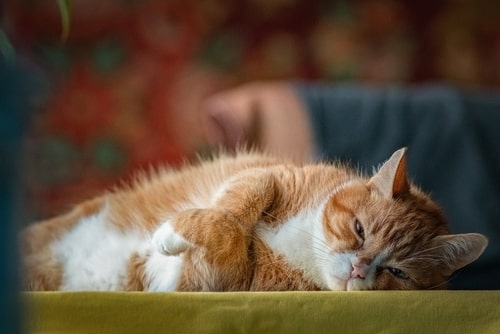
There are many other health conditions or challenges that can affect senior cats. Read more about these challenges and what to look out for in our article on caring for your senior cat.
Our Joii vets are available 24 hours a day for advice.
Download the app and call us if you have any concerns about your pet.


