Can I Catch Parasites From My Pet?

Fleas: small pests with big consequences
Worms: why regular treatment matters
Other parasites that can affect people
Why prevention protects your whole household
The importance of consistency
Recommended products
Living happily with pets

Can I Catch Parasites From My Pet?
It’s a question many pet owners wonder about: Can I catch parasites from my dog or cat? The answer is yes, sometimes, but it’s easy to prevent.
Most parasites that affect our pets rarely make people ill. But some parasites occasionally spread between pets and humans, especially if an infestation isn’t treated promptly.
Worries about parasites shouldn’t be preventing any of us from enjoying life with our pets. Simple and consistent parasite prevention minimises any risk.
Fleas: small pests with big consequences
Fleas are the most common parasites affecting dogs and cats. They live by feeding on animal blood, but they’re not particularly fussy parasites. If there are enough of them around, we humans will become collateral targets.
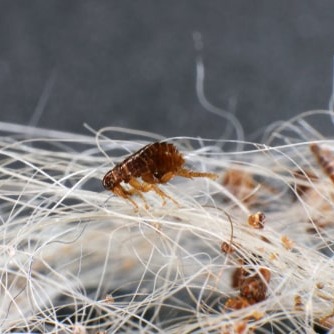
Most people first notice fleas when their pet starts constantly scratching. But sometimes the first clue is finding small, itchy bites on our own ankles or lower legs.
These bites can be incredibly irritating and cause:
Red, itchy bumps on the skin
Swelling of affected areas
Infection, if we keep scratching damaged skin
Sleepless nights and misery
Fleas may not persistently ‘bug’ humans the way they do pets, but they can still make our lives extremely uncomfortable when they’re in our homes.
And because fleas reproduce quickly, small problems escalate surprisingly quickly. Just one flea getting into the house leads to eggs and larvae in the carpets, bedding or furniture before anyone even notices. And one rapidly becomes legion!
That’s why regular flea prevention on pets is so important. It halts infestations before they can get established.
Worms: why regular treatment matters
Some intestinal worms that infect pets will occasionally affect humans as well.
Roundworm is the best-known example of this. Dogs and cats can shed roundworm eggs in their stool, and this may contaminate soil, gardens or sandpits. If humans accidentally swallow the microscopic eggs, we too can be infected. That usually happens when we haven’t washed our contaminated hands well enough.

This may not be common, but it’s one reason why vets emphasise the importance of worming pets regularly and being careful with hygiene, particularly in households with children.
Children are naturally curious and more likely to have close contact with pets, soil or outdoor play areas with unseen parasite eggs.
Fortunately, a few simple measures reduce risks dramatically:
Worming pets regularly
Cleaning up pet faeces promptly
Encouraging children (everyone!) to wash their hands after playing outdoors or handling pets - especially before eating
Adhering to these measures makes transmission of parasites very unlikely.
Other parasites that can affect people
Hookworms can sometimes cause a skin condition known as cutaneous larva migrans. This happens when Hookworm larvae penetrate human skin, usually via contact with contaminated soil or sand.
Ticks are another parasite that affects both animals and people. Humans are more likely to pick them up outdoors, in the same places as pets do. But occasionally humans will be bitten by ticks brought into the house by pets.
Some ticks carry dangerous infectious diseases that affect humans, including Lyme disease, Anaplasmosis and Babesiosis. Hence, the importance of preventing tick attachment and removing them promptly.
Why prevention protects your whole household
Protecting our pets against parasites benefits the entire household.
Regular prevention helps to:
Reduce the risk of fleas spreading in your home
Reduce environmental contamination from worm eggs
Kill ticks before they can transmit disease
Protect your family from irritation, bites and infections
Effective parasite control is about looking after everyone’s health. Prevention is always easier and less costly than managing established infestations, which can involve repeated cleaning, environmental treatments, and even professional pest control to clear.
The importance of consistency
One of the most common reasons why parasite problems recur is simply a lapse in protection. Life gets busy, reminders are forgotten, or we delay treatment because pets “seem fine”.
But parasites don’t follow a schedule that we can easily see. Fleas, ticks and worms are present in the environment all year round, and pets can pick them up during everyday activities like walks, playing in the garden or being in contact with other animals.
Keeping up with regular protection prevents parasites from gaining a foothold in the first place.
Consistent protection also helps break parasite life cycles, preventing the build-up of eggs and immature stages in our home.
Recommended products


Living happily with pets
We gain enormous benefits from sharing our lives with pets, including companionship, exercise, stress-relief and comfort.
Parasites are simply a normal part of the natural world and something our pets will inevitably encounter as they explore it.
Fortunately, modern parasite preventives make managing these risks straightforward. Regular protection makes the chances of parasites spreading from pets to people extremely low.
Set aside worries about parasites by staying one step ahead of them.
Consistent parasite prevention protects your pet, your home and everyone in it. Which means you can spend time enjoying life together - without worrying about unwelcome ‘guests’.