


Easter Dangers for Cats: 4 Common Hazards Every Owner Should Know

The 4 Most Common Easter Dangers for Cats
Plants
Food
Decorations
Visitors and stress
What To Do If Your Cat Is Exposed to an Easter Hazard
Keeping Cats Safe This Easter
Products in this article

Easter Dangers for Cats: 4 Common Hazards Every Owner Should Know
As we brighten up our homes with Easter treats and spring flowers, have you ever wondered if any of these could be dangerous for your cat?
This guide, from an experienced Joii vet, looks at four common Easter hazards for cats – why they’re dangerous, what to look out for and what to do in an emergency.
The 4 Most Common Easter Dangers for Cats
Poisonous spring flowers, especially lilies
Chocolate and sweet treats
String, ribbon and Easter decorations that can cause an intestinal blockage
Stress caused by visitors and changes in routine
Keep your cat safe over the Easter holidays by understanding the risks and avoidable emergencies.
1. Easter Plants That Are Dangerous for Cats
Plants and flowers are one of the most common causes of poisoning in cats at Easter. Risks arise from chewing plants or grooming pollen from their coats.
Lilies
True lilies are one of the most dangerous plants for cats. These include:
Easter lilies
Stargazer lilies
Tiger lilies
Day lilies
All parts of the plant are poisonous. Even minimal exposure can cause poisoning:
Chewing a leaf
Drinking water from a vase
Grooming pollen from their fur
Early symptoms of lily poisoning:
Untreated poisoning can result in severe kidney failure within 24–72 hours. Lily poisoning severity is life-threatening
If you share your home with a cat, the safest option is not to keep lilies at all.

Daffodils
Another favourite Easter flower, but also harmful to cats. Bulbs are the most toxic part, but leaves and flowers can also cause irritation.
Symptoms of daffodil poisoning:
Daffodil toxicity is mild to moderate severity, but it’s safest to get advice from a vet.

Tulips and Hyacinths
These spring flowers can also cause problems if your cat chews leaves or bulbs.
Symptoms of tulip or hyacinth poisoning in cats:
Swallowing pieces of a bulb may also cause intestinal irritation or a blockage.

Other plants to watch out for include crocus and Lily of the Valley, which can also be toxic.
2. Easter Food Hazards for Cats
Chocolate and Easter Eggs
Over 80 million Easter eggs are sold in the UK every year. That’s a lot of chocolate in homes across the country.
Most cats are not naturally attracted to sweet foods (wise things!), which means chocolate poisoning is less common in cats than in dogs. However, I've known more than one curious cat tempted to nibble chocolate or lick the top off a chocolatey creamy dessert left on the table.
Chocolate contains a stimulant chemical called theobromine, which your cat’s body cannot metabolise (break down).
Dark chocolate poses the greatest risk because it contains higher levels of theobromine. White chocolate contains very little theobromine but lots of fat and sugar, which can still cause vomiting and diarrhoea.
Symptoms of chocolate poisoning in cats:
Restlessness
Panting/rapid breathing
In severe cases:
Trembling
Irregular heartbeat.
The severity of poisoning can be anything from mild to potentially life-threatening, depending on the type of chocolate and how much your cat consumed.
Hot Cross Buns and Raisins
Hot cross buns, a traditional Easter favourite, often contain raisins or sultanas, which are dangerously poisonous to cats as well as dogs. Although raisin poisoning is rare in cats, they may suffer the same toxic effects if they eat them. If your cat eats anything containing raisins, contact a vet immediately.
Inquisitive cats might investigate buttery baked goods left unattended on kitchen surfaces, so make sure everything is out of reach.
Possible symptoms if eaten:
Lethargy
We don’t fully understand why grapes and raisins are toxic to pets. To be on the safe side, always contact a vet if your cat eats anything with raisins or grapes.
Raw Bread Dough
If ‘Bake Off’ inspires you to bake your own bread or hot cross buns this Easter, be careful not to leave your rising dough unattended.
Uncooked dough is dangerous for 2 reasons:
First, the dough continues to expand inside your cat’s stomach, causing uncomfortable bloating and tummy upset.
Second, the yeast in the dough ferments sugars and produces alcohol (ethanol), which is rapidly absorbed from the stomach and is poisonous to cats.
Cats are less likely than dogs to eat lots of uncooked dough, but inquisitive cats may still ingest some left on a worktop. Their small body size means it takes less to cause poisoning.
Symptoms of dough toxicity:
Abdominal (tummy) discomfort
Disorientation
Weakness
Low body temperature
Dough poisoning can be serious, depending on the amount your cat consumes.
3. Easter Decorations and the Risk of Foreign Bodies
Cats are natural hunters who love to bat, chew and chase anything that moves - especially shiny, crinkly decorations.
Many Easter decorations may look like toys to your cat, but they’re dangerous if swallowed.
Common hazards include:
Ribbons or the coloured string in Easter baskets
Shiny foil from chocolate and sweet wrappers
Plastic grass or shredded paper decorations
Small toy chicks or Easter bunnies
Cats that swallow string-like materials can develop a ‘linear foreign body’. The string becomes trapped in the intestines, causing them to bunch up and leading to severe internal damage.
Symptoms of a foreign body:
Abdominal pain
Repeated gagging
Gastrointestinal foreign bodies are potentially life-threatening.
4. Easter Visitors, Disturbed Routines, and Stress for Cats
Easter can also bring emotional challenges for cats. Cats tend to be more sensitive to changes in household routine than dogs. Upheaval and visitors can be stressful.
Signs of stress in cats:
Hiding away or becoming withdrawn
Increased vocalising (meowing, yowling)
Aggression or irritability
Difficulty passing urine, blocked bladder - a veterinary emergency
Indoor cats may try to escape if their environment suddenly becomes noisy or crowded. Those with outdoor access may avoid coming home.
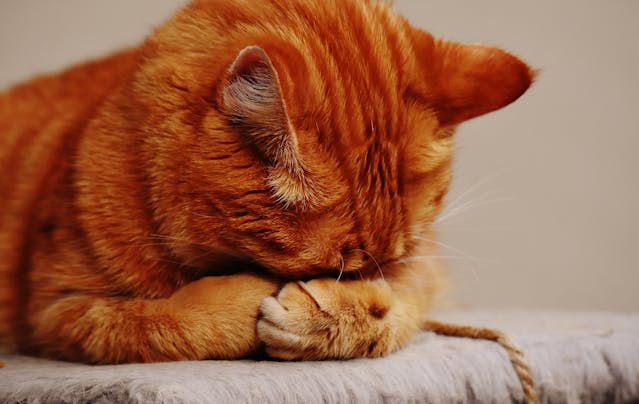
Managing Easter Stress for Cats
Planning ahead helps keep your cat comfortable during busy holiday periods.
Provide a quiet room and rest area where your cat can escape visitors and excited children
Keep their feeding routines consistent
Make sure your cat has ready access to litter trays and food
Use their familiar bedding or toys
Avoid forcing your cat to interact with visitors
Pheromone diffusers can help your cat to feel calmer and more ‘secure’ during stressful periods. They're most effective if you plug them in several weeks before expected challenges.
Seek immediate veterinary help if your cat is straining and unable to pass any urine. This is a veterinary emergency.
What To Do If Your Cat Is Exposed to an Easter Hazard
Early veterinary care reduces the risk of serious complications. Contact a vet immediately if your cat:
Chews toxic plants or encounters lilies
Eats chocolate, uncooked dough or anything containing raisins
Swallows string or decorations
Shows any symptoms of poisoning
Never attempt to pull string from your cat’s mouth. It may already be anchored inside their stomach.
Our Joii vets are available 24/7 to provide trustworthy professional advice and help you handle the unexpected with confidence this Easter.
Keeping Cats Safe This Easter
With a little forward planning, you can protect your cat from common Easter dangers, such as toxic plants, swallowed objects and stress-related illness.
Simple precautions like avoiding lilies, keeping decorations out of reach and providing quiet spaces can help ensure a safe and happy Easter for feline family members.
Want peace of mind this Easter? Download the Joii app for peace of mind and instant access to expert advice, and keep your cat safe all year round.
And a Happy Easter to everyone!


