Multi-Cat Household Guide: How to Manage Multiple Cats Without Stress

Do cats need company?
Signs your cats are actually friends (and not just tolerating each other)
Signs your cats are not getting along
Setting up your home for multiple cats
What should I do if my cats don’t get along?
How to successfully introduce cats to each other
Products in this article

Multi-Cat Household Guide: How to Manage Multiple Cats Without Stress
According to the Cats Protection 2025 report, nearly a quarter of UK households own a cat. Of those, 34% have one or more cats living together. Most cats actually aren’t that sociable, struggling to share space and resources. Tension and conflict between cats is common and can lead to stress-related behaviour and health problems.
This article, written by an experienced vet qualified in animal behaviour, will guide you through the possible pitfalls of multi-cat households. As well as offering simple guidance to help your cats live in harmony.
Do cats need company?
Cats tend to be solitary rather than sociable creatures, so sharing their territory and resources can be hard for them. Many owners believe that getting another cat can help with loneliness or boredom. However, most cats prefer their own space.
In multi-cat households, tension and conflict between cats is common, especially if the environment isn’t set up correctly for them. Problems are more likely to arise if cats are indoor only, and have to share resources (food, water, litter trays, resting areas, toys, etc). The good news is, there are lots you can do at home to help.
Signs your cats are actually friends (and not just tolerating each other)
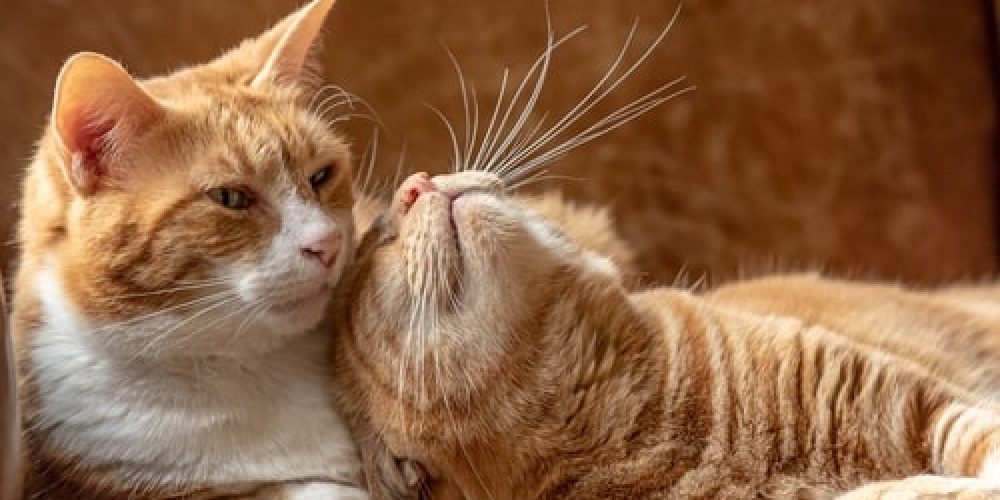
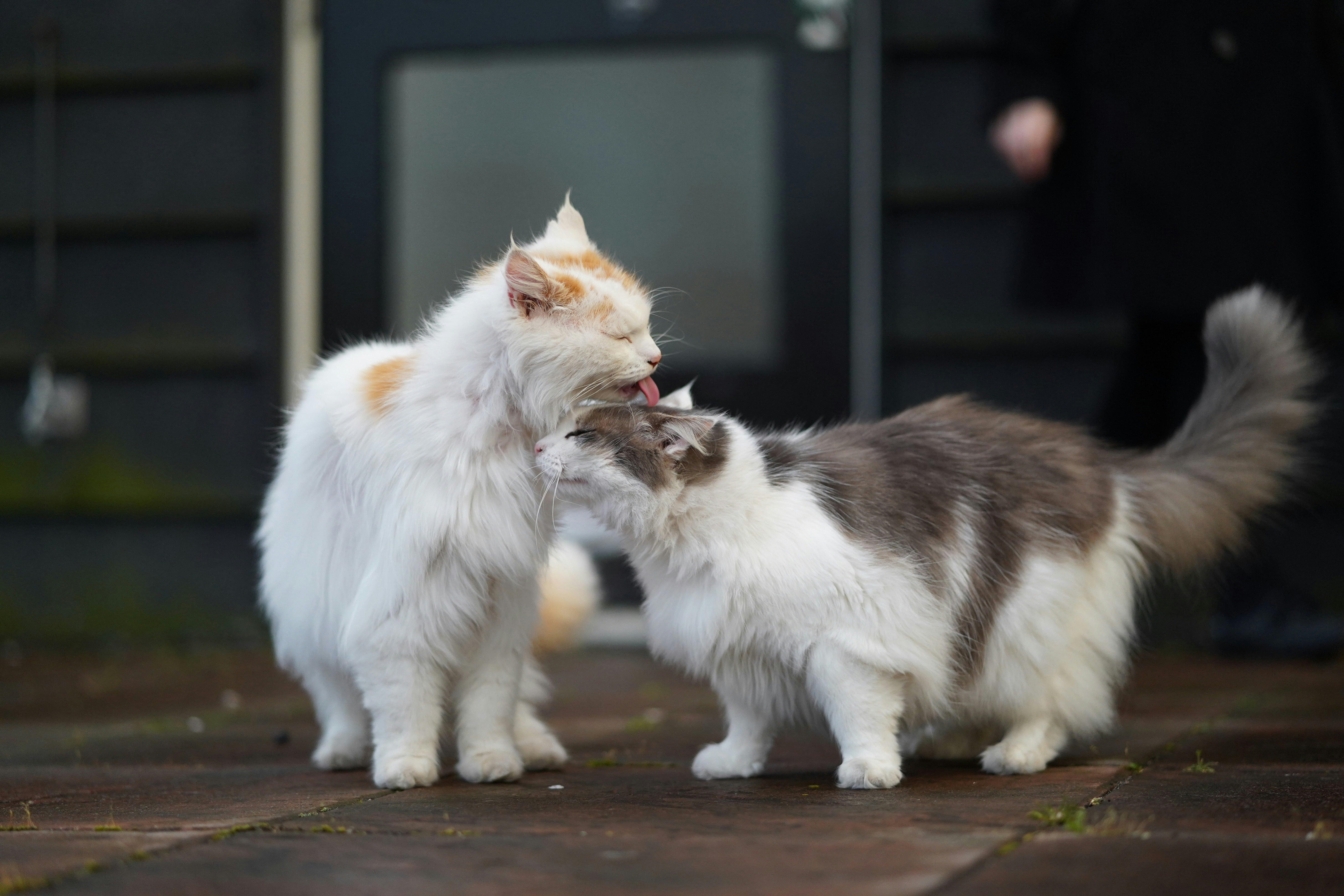
Just because your cats aren’t fighting doesn’t necessarily mean they’re friends. Some cats will form social bonds. In larger groups, subgroups of friends can form. Bonded cats will show positive signs, such as cuddling, grooming, touching noses, resting and playing together. These cats will be happier to share space and resources.
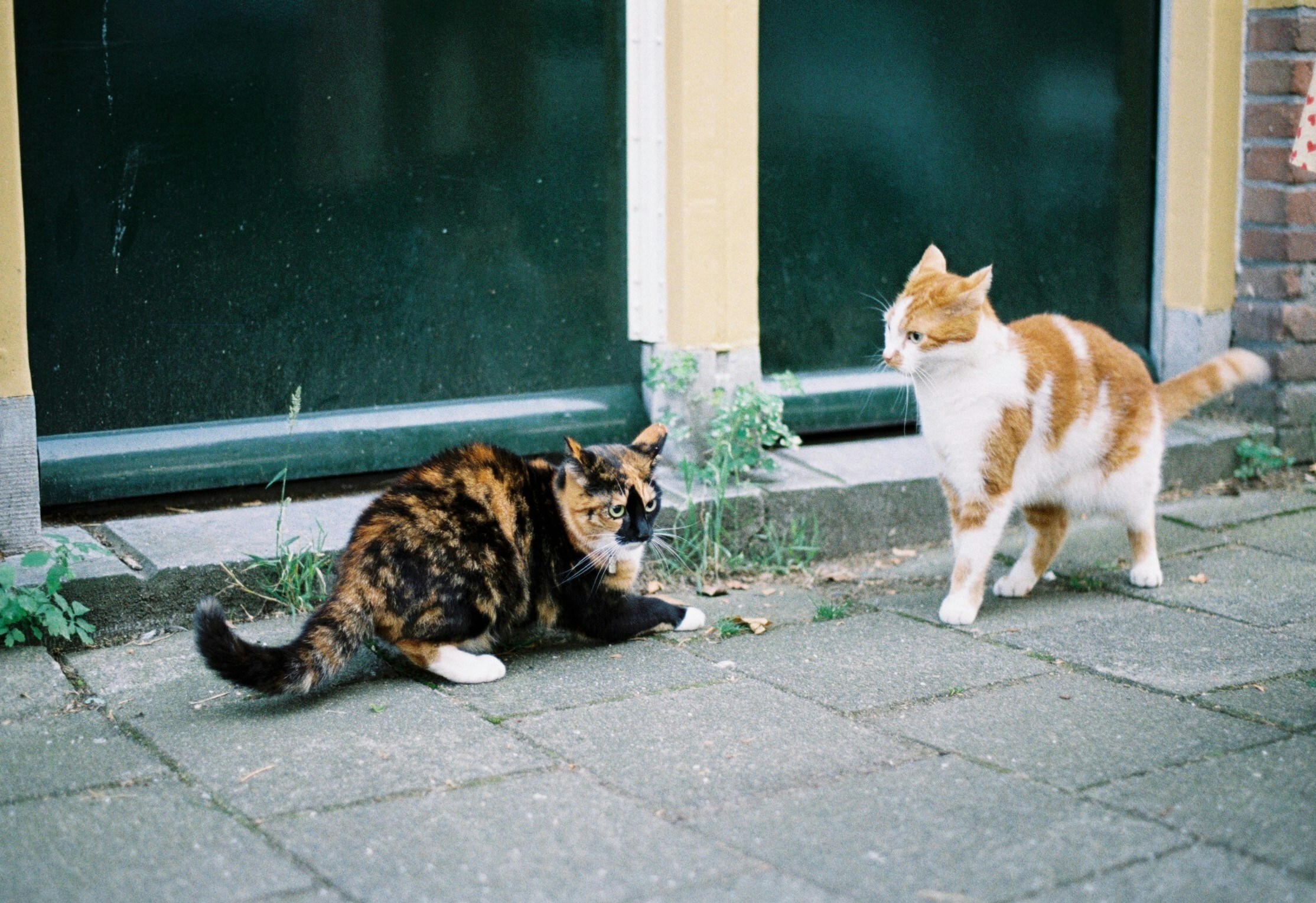
If your cats aren’t getting along and prefer to have their own space, signs can be subtle, such as hard stares or avoiding each other. Most cats prefer to avoid conflict, so you might notice them hiding away or becoming more withdrawn. If they aren’t able to get the space they need, they may resort to fighting and aggressive behaviour.
Cats of differing ages and energy levels may not always get along. For example, young playful kittens and older cats.
Unneutered males are likely to fight due to hormonal influences and competition for territory and mates.
Pain or medical conditions, such as arthritis or dementia, are common in older cats. This lowers their tolerance threshold, making them more likely to react aggressively.
Signs your cats are not getting along
Cats are sensitive souls, and conflict with other cats can trigger stress, fear and anxiety. Stress can lead to health problems, including:
Overgrooming, hair loss and skin issues
Breathing faster or respiratory signs
Urine spraying and house soiling
Cystitis - straining, urinating more, blood in urine
Blocked bladder - a life-threatening emergency, more common in males
If you notice any of these signs, seek veterinary advice straight away. Reach out to an online vet via the Joii app.
The signs of tension between cats can vary. Watch your cat's body language and behaviour for some helpful clues. This includes their body posture, eyes, ears and tail.
Body language signs
Freezing, tense body
Cowering or low body posture
Holding the tail close to the body
Arching back, tail up
Holding ears flat and back
Wide eyes and large pupils
Behavioural signs
Licking lips or swallowing
Hissing, spitting, or growling
Swiping, biting, or attacking
Urinating or defecating around the house
Hiding away or becoming withdrawn
Attention seeking, more clingy, or meowing more
Excessive grooming or grooming less
Increased sensitivity or restlessness
Scratching more around the house
Setting up your home for multiple cats
Cats must have enough physical and mental stimulation in their lives to fulfil their natural behavioural needs, such as exploring, chasing, scratching and playing.
Ensuring you have one resource per cat, plus one more, is a good starting point to reduce conflict. For example, a house with 2 cats needs 3 litter trays. Resources include food, water, litter trays, a bed, resting areas, scratch posts and toys. Keep these resources in quiet, accessible areas away from noisy appliances or entrance/exit points.
Feeding
Cats prefer to eat alone, so avoid feeding in a group
Place food and water bowls in separate areas
Put food/water bowls in areas where cats can see other cats approaching- avoid-corners or locations where they may feel trapped or vulnerable
Avoid leaving food down all day - it’s better to measure out portions for each cat
Consider microchip feeders for each cat to track how much they are eating
Litter trays
Place litter trays in quiet areas away from doorways or thoroughfares
Most cats prefer finer, clumping cat litter
Clean out regularly and avoid scented liners or litters
Use large open litter trays so cats don’t feel vulnerable or trapped
Resting and space
Provide plenty of quiet, cosy, warm areas to rest and hide - including high up where cats feel safe
Plug in calming Feliway Friends diffusers in areas the cats like to spend time, to help cats bond
Use a microchip cat flap to avoid intruders (neighbouring cats can cause anxiety and conflict too!)
Keep new pets separate and introduce them gradually: seek advice from a vet, vet nurse or qualified behaviourist
Enrichment
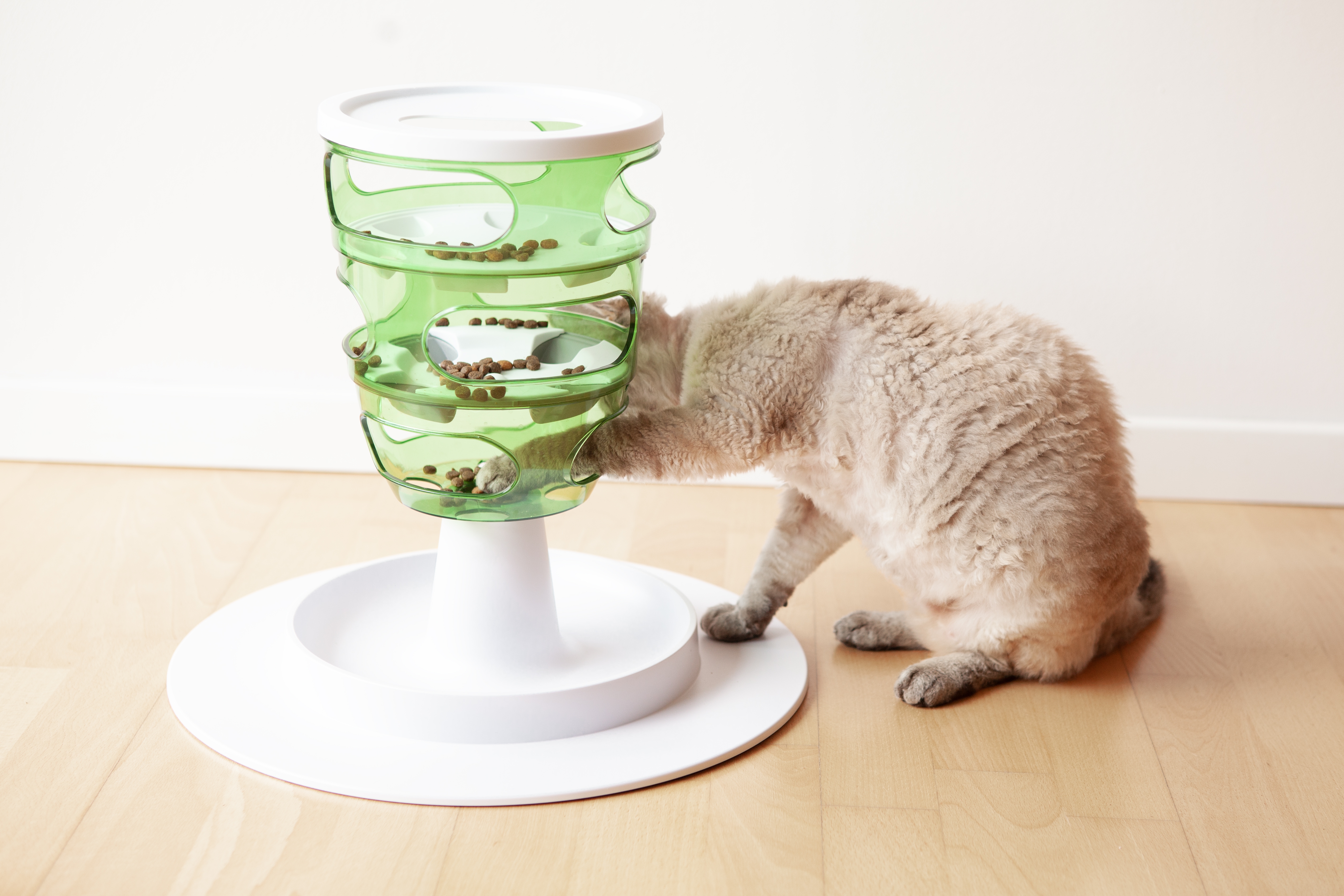
Rotate and vary toys to keep interest - for example feather chase toys on a string and puzzle toys for hiding treats
Use climbing trees and scratch posts for natural exploring and scratching behaviour
What should I do if my cats don’t get along?
If your cat is showing behaviour signs or symptoms, get them checked over by a vet first. Vets can treat any medical causes or refer you to a qualified behaviourist if needed. This is especially important if your cat is showing aggression, acting unwell or has medical signs, such as:
Urinating issues
Eating less
Breathing changes
Our vets are available 24 hours a day for advice via the Joii app.
When to separate your cats
If your cats are showing aggressive behaviour, keep them separated. Aggressive cats need space and time to calm down. Don’t approach an aggressive cat, and keep them away from young children and anyone or anything that triggers the behaviour. If you have a playful kitten that loves to chase, pounce and scratch, this can be redirected onto appropriate toys.
For specific advice for your household, a qualified behaviourist can give you a modification plan to help. Your vet can refer you. Organisations such as the ABTC and FAB also have a list of qualified behaviourists in your area. Advice will usually include changes in the home environment. Some cats need behaviour-modifying drugs from the vet to help them feel calmer too.
How to successfully introduce cats to each other
Introduce new cats very slowly, and keep them in separate areas to start with
Give them plenty of space to rest and hide with key resources for all cats
Spend time with each cat and swap bedding/toys so they get used to each other's scent
Allow the new pet to explore the house on their own first
Start with short periods of time together, with plenty of space and owner present
Plug in a calming pheromone Feliway Diffuser
Speak to a vet and behaviourist if your cats are showing any signs of stress, conflict or aggression
Speak to one of our online vets for more advice on helping your cats live in harmony.