


Essential Oil Toxicity in Cats

Overview
Symptoms
Risk
Diagnosis
Vet treatment
Home treatment
Prevention
Our vet recommendations for safe calming products
When to worry

Essential Oil Toxicity in Cats
Essential oil toxicity in cats is increasing in UK homes, as aromatherapy, scented products and “natural” remedies become increasingly popular. But natural doesn’t always mean safe, and cats are particularly vulnerable to serious, sometimes life-threatening poisoning from some of the most popular oils in daily use.
Cats are particularly vulnerable to essential oil toxicity for three main reasons. Firstly, and most importantly, your cat's body cannot break down and safely remove the chemicals in essential oils. Secondly, cats are innately curious and particularly likely to sniff, spill and lick something ‘interesting’. Thirdly, their fastidious grooming habits mean any oil spill on their coats (or your hands!) is likely to be accidentally ingested. The build-up of toxins in their body can harm your cat’s liver, nervous system, airways, skin or gastrointestinal tract. Talk to a vet without delay if you think your cat may be at risk. With early recognition and prompt veterinary care, most cats will recover in 2-3 days.
What is essential oil toxicity in cats?
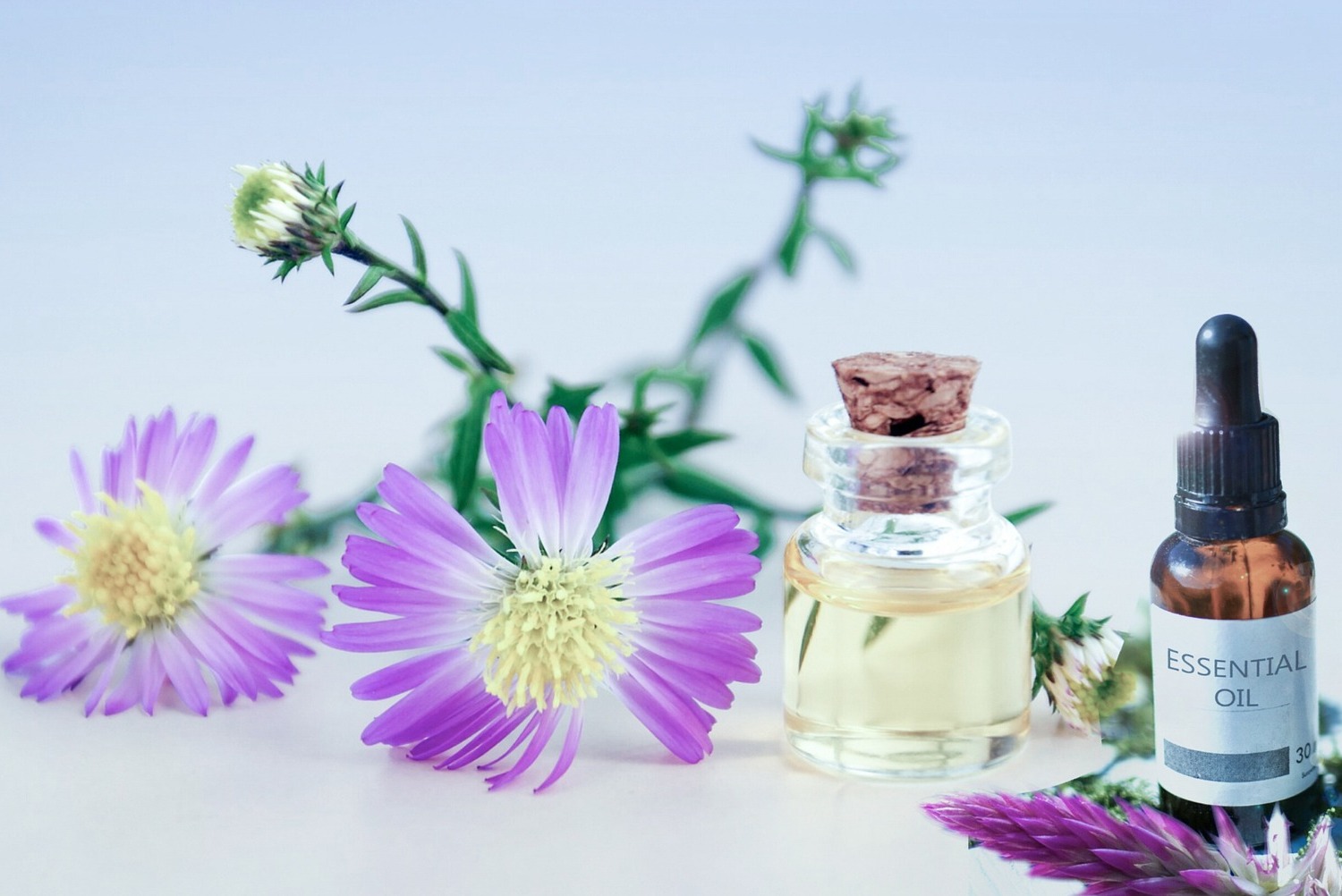
Essential oils are concentrated plant extracts made from leaves, flowers, bark and resins. They’re often used in perfumes, room sprays, scented candles and diffusers, cosmetics, cleaning products and aromatherapy. But cats lack a special enzyme to ‘detoxify’ the chemicals in essential oils. And unfortunately, their natural habits, lifestyle and close association with their people put many cats at particular risk of exposure.
How cats get essential oil toxicity
Breathing in oils from diffusers, candles or sprays
Licking oils from their fur and paws when they groom themselves
Direct skin contact after walking on treated surfaces or spilling liquid products
‘Grooming’ their owners' hands or skin when they have essential oil residues on them
Popular essential oils, their uses and risks to cats
Highest risk oils: The ones most likely to cause poisoning and serious illness:
Tea tree (Melaleuca): found in natural antiseptics, skin care products, and shampoos. Risks from skin contact, inhalation, and licking it off their coat.
Pennyroyal: used in diffusers, soaps, alternative medicine and sometimes as a ’natural’ alternative flea and tick preventive for pets. Risks from ingestion of the oil, particularly licking it off their coat.
Eucalyptus: found in diffusers, vapour rubs and cold remedies. Risk from skin contact, inhalation, and licking it off their coat.
Peppermint: found in room diffusers, sprays and pest deterrents. Risk from inhalation and licking it off their coat/paws.
Wintergreen: less common, but found in pain-relief products and specialist oil blends. Risks from swallowing or licking. It is extremely dangerous even in tiny amounts.
Clove: used in home dental remedies and blends for seasonal diffusers. Risk from inhalation and skin contact.
Moderate risk oils: Products often thought of as ‘gentle’ or ‘natural’ options, but still a risk to your cat:
Lavender: found in diffusers, candles, and sleep products. Risks from inhalation and grooming.
Citrus oils (lemon, orange, bergamot, grapefruit): found in spray cleaning products and air fresheners. Risks from inhalation and licking contaminated surfaces.
Pine: popular in floor cleaners and household disinfectants. Risks from inhalation and paw/coat contact followed by grooming.
Cinnamon: found in candles, winter blend diffusers. Risks from inhalation and skin contact.
Thyme/Oregano: found in “immune” or antimicrobial blends. Risks from inhalation and licking residues.
Lower risk oils: Unlikely to cause severe toxicity, but still not recommended around cats:
Rose: found in perfumes, cosmetics, and diffusers. Risks from inhalation and skin or coat contact.
Frankincense: found blends for calming or meditation. Risks from inhalation and licking fur.
Ylang Ylang: found in calming or sleep blends. Risks from inhalation.
In addition to the risks of poisoning from essential oils themselves, many liquid potpourri products also include chemicals to help the oils mix with water. These are caustic agents that cause harm by irritating your cat's eyes, or burning their mouth, tongue, throat and gullet if they accidentally ingest any.

Symptoms of essential oil toxicity in cats
Essential oil toxins affect your cat’s liver, central nervous system, airways, skin and gastrointestinal tract. Actual symptoms depend on the type of oil, the route of exposure and the quantity involved. Symptoms may take up to 12 hours to reach peak severity, especially where caustic chemical burns are involved.
Common symptoms may include:
Unsteadiness, stumbling, or looking ‘drunk’
Hiding away or behaving unusually (vocalising, aggression)
Hypothermia: cold extremities
Dilated pupils or weepy, irritated eyes
Red irritated skin: chemical burns from contact
Cats exposed to pennyroyal and high doses of tea tree oil are particularly at risk of acute (sudden) liver failure.
Are some cats more at risk of essential oil toxicity?
All cats are at risk of essential oil toxicity. All cats lack the enzymes to break down chemicals in popular essential oils. But certain factors will increase the risk:
Indoor cats: greater risk of exposure to all products containing essential oils
Kittens and young cats: naturally playful, inquisitive and magnets for trouble(!) and their smaller body size means even tiny quantities can be toxic
Elderly cats: fewer reserves and also more likely to suffer from pre-existing illness
Cats with existing illnesses (especially liver disease) have a poorer ability to cope with toxins
Cats with asthma and other breathing difficulties
How do vets diagnose essential oil toxicity?
Vets will most likely diagnose essential oil toxicity based on a history of suspected exposure and a full physical examination. Recognising the distinctive smell of an oil on the cat's coat or breath can be an essential clue.
The vet will ask about the type of oil, quantity, route of exposure (inhaled, licked, swallowed) and duration of exposure.
Further tests may include:
Blood tests: checking general organ health, organ function, and evidence of inflammation or anaemia
Urine tests: checking urine concentration and kidney function
Oxygen levels: monitoring cats presented with breathing difficulties
How do vets treat cats with essential oil toxicity?
Treatment depends on the type of oil involved, the route of exposure and the severity of symptoms. Early recognition and treatment help reduce the risk of long-term irreversible organ damage.
Decontamination:
Gently bathing or carefully wiping oil from skin or coat
Clipping long hair or a heavily contaminated coat
Fitting a cone collar to prevent further grooming/ingestion
Gastrointestinal decontamination: activated charcoal given by mouth to bind toxins and reduce toxin absorption from the gut
Important: Your vet will not try to empty your cat's tummy by making them sick. Essential oils can be extremely caustic, so inducing vomiting would lead to further throat and gullet burns. It also risks causing severe lung damage and pneumonia from aspiration.
Hospital admission for:
Intravenous (IV) fluids: to support circulation, blood pressure, and liver and kidney function
Anti-sickness injections
Prescription medication as required: to control tremors, twitching or seizures, support for liver function/recovery and gastric and intestinal protectants
Oxygen therapy
Supportive care: countering hypothermia and providing nutrition
Specialist treatment for severe cases:
Intravenous lipid emulsion (ILE): injected into your cat’s bloodstream that acts like a ‘trap’ to catch and remove fat-soluble poisons, including toxic oils, from vital organs.
Ongoing monitoring: 24-72 hours in the vet hospital, depending on recovery.
With the right care at the right time, over 80% of cats treated for essential oil toxicity make a full recovery. The quicker the treatment starts, the better the long-term outlook.
How to support a cat with essential oil toxicity at home
Always seek advice from a vet if your cat has symptoms of essential oil toxicity, however mild the symptoms seem at first.
Follow your vet’s advice carefully and give all prescribed medicines as directed
Dispose of remaining toxin, open windows and improve ventilation
Gently wipe away any essential oil contamination on your cat’s coat
Use a cone collar to prevent grooming
Supportive care:
Keep your cat warm, dry and indoors
Provide a safe and calm place to rest
Encourage your cat to drink small, frequent sips of water
Offer small, frequent feeds of light, soft, easily-digested food
Monitor your cat's appetite, behaviour and toileting carefully
Tips on how to prevent essential oil toxicity in cats
Avoid using liquid potpourri diffusers in homes with cats
Store essential oil products securely out of reach
Choose pet-safe cleaning products
Wash your hands thoroughly after using oils on yourself
Keep homes well-ventilated and make sure your cat can move freely out of any room with an irritant
Never apply oils directly to your cat’s skin or fur
Read labels carefully, including candles and sprays. Remember, “natural” or “organic” does not mean they’re safe for cats.
Are there safe or beneficial essential oils for cats?
All essential oils present a risk to cats because their bodies cannot break them down. However, a few essential oils may have benefits in behavioural support for cats.
Lavender: may help some cats feel calmer and more relaxed when used briefly in the air under controlled conditions.
Chamomile: sometimes used alongside lavender to encourage restfulness and reduce stress-related behaviours.
Valerian, vanilla and coconut scents: linked to promoting calmness and sleepiness in some cats.
Even these oils or scents should only be used cautiously, for short periods and strictly under guidance from a vet.
Our vet recommendations for safe calming products


When to worry
Seek urgent help from a vet if your cat:
Is having seizures, collapsed, and unresponsive
Is vomiting, gagging or drooling persistently
Seems weak, wobbly or disorientated
Has breathing difficulties: struggling to breathe or open-mouth breathing
Coughing up or vomiting blood
Joii can help with:
Safe alternative products for bathing and behaviour support in cats
Caring for cats in recovery
Managing mild symptoms at


