


Spay in cats

What it’s for
How it’s done
What happens on the day of the spay?
Costs
Risks
Are there any dangers associated with surgery?
When is the best time to have your cat spayed?
Can a cat be spayed while in heat?
Recovery tips
When to worry

Spay in cats
Spay is a routine surgical procedure done in female cats to prevent pregnancy and has many other health benefits. This means your cat will be neutered and can't have kittens.
Spaying is a surgery to remove a female cat's ovaries and uterus. Surgery is usually recommended at 5 months of age. This procedure helps reduce the pet overpopulation crisis. Spaying can also be called neutering, ovariohysterectomy (OVH), or ovariectomy (OVE). After surgery, keep your cat indoors and do not let her lick the wound.
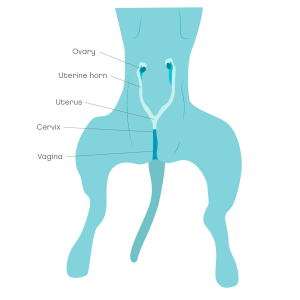
Why is this procedure recommended? >Why is this procedure recommended? [What it’s forHow is the surgery done? >How is the surgery done? [How it’s doneWhat happens on the day of the spay?
What happens on the day of the spay?
Before the surgery day:
Your cat should have had a pre-neuter check with a vet or a nurse.
Your cat should be starved from the night before.
You can leave water available.
In practice:
A vet or a nurse will admit your cat.
Then the vet will do a hands-on examination.
When necessary, pre-anesthetic blood tests will be performed.
Then a sedative and pain relief will be given by injection.
While the pre-anaesthetic medication is working, your cat will be kept in a calm, warm kennel.
Once the sedative has taken effect, your cat will be put under a full/general anaesthetic.
In preparation for surgery, the skin will be cleaned and clipped, while your cat is closely monitored.
Surgery will begin.
Soon after surgery:
After your cat wakes up from the anaesthesia, she will be placed in a warm, comfortable kennel to recover.
Usually, your cat can go home a few hours after their operation, but if they take longer to recover from anaesthesia, they may need to be monitored for longer.
You will take home pain-relief and you may find your cat more quiet or disoriented that day.
Why do different places charge different prices for spay surgeries? >Why do different places charge different prices for spay surgeries? [CostsWhat are the disadvantages of spaying your cat? >What are the disadvantages of spaying your cat? [RisksAre there any dangers associated with surgery?
Are there any dangers associated with surgery?
Spaying is considered a major operation and requires general anaesthesia. Mild complications with the surgical wound can occur, such as:
Bruising
Swelling
Infection
Possible complications from the surgery itself can arise from:
Anaesthesia: risks are higher if your cat has any other medical issues
Bleeding (Hemorrhage)
Urinary obstruction
Modern anaesthetics and monitoring equipment significantly reduce the risk of complications.
When is the best time to have your cat spayed?
The general guidelines are for female cats to be neutered at 5 months of age. Usually at 4 months, a developmental check up or a pre-neuter check is recommended. Spaying can be done at a later age if necessary.
Can a cat be spayed while in heat?
Ideally not.
Spaying a cat in heat increases the risk of haemorrhage because the blood vessels become much bigger.
Therefore, you should spay your cat after her season, unless there is a specific reason and your vet advises you to do it sooner.
How to care for your spayed cat >How to care for your spayed cat [Recovery tipsWhen to worry after a spay? >When to worry after a spay? [When to worry