


Anal Gland Problems in Cats: What Every Owner Should Know

What are anal glands?
Anal gland problems
Symptoms
What happens if you ignore anal gland problems?
Vet treatment
Should you empty your cat’s glands at home?
Prevention
When to reach out to a vet
Final thoughts
Products in this article

Anal Gland Problems in Cats: What Every Owner Should Know
Ever noticed your cat dragging their bottom across the floor? Overgrooming their tail and back end? Your cat may be having problems with their anal glands.
Although scooting and anal (bottom) irritation are often attributed to worms, that’s not always the cause, especially for indoor cats.
Let’s take a closer look at the slightly awkward (but very important) topic of your cat’s bottom. Is it glamorous? ‘fraid not. Is it a common problem? Likely more than we realise. Can anything be done? Read on.
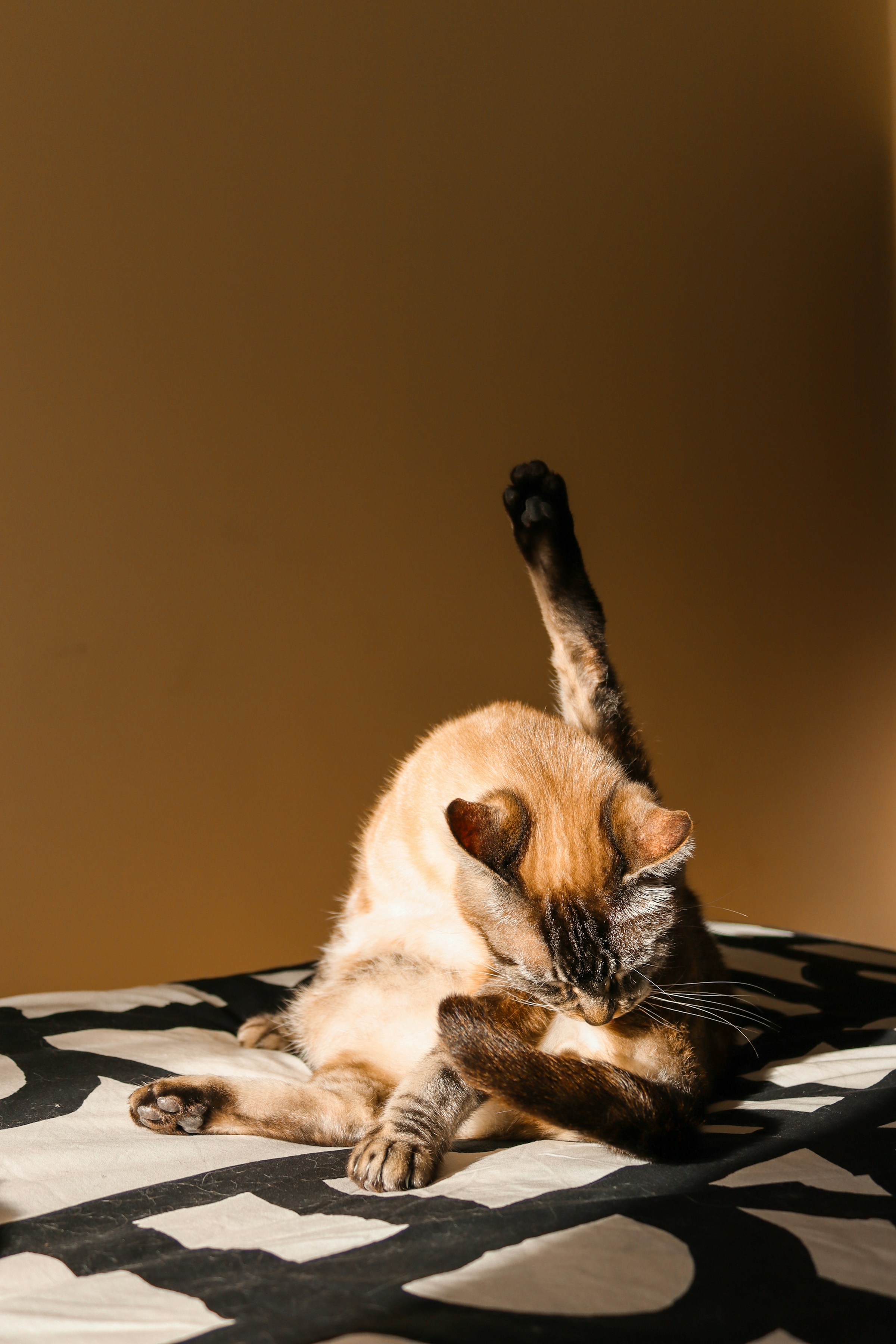
In this comprehensive guide, I'll explain the cause of anal gland issues, how to recognise them and when to seek veterinary help.
What are cats’ anal glands and why do they have them?
Cats have two small sacs just inside their bottom. If you think of the bottom as a clock(!), they’re located at roughly the 4 o’clock and 8 o’clock positions.
The anal glands produce a thick smelly liquid that’s released in tiny amounts when your cat passes a stool. Its likely roles include:
Scent marking their territory
Individual communication and recognition - your cat’s social media profile
A smelly defence mechanism when your cat feels stressed or threatened, such as at the vets
Anal glands usually empty naturally when your cat passes a firm stool. When the system is working, nobody notices. When it isn’t, well, that’s when things get…‘noticeable’.
The root causes: 7 reasons your cat’s anal sacs get blocked
Anal glands start to cause trouble if they don’t empty properly.
Possible reasons include:
Passing soft stools or diarrhoea: Don’t squeeze the glands enough to empty them
Eating a low-fibre or poor-quality diet: Leading to small or soft stools
Passing infrequent bowel movements: Gland contents not expelled regularly
Suffering from allergies (food or environmental): Causes inflammation and increased secretions
Having skin disease or gut issues (IBD): Interferes with normal gland function
Being overweight or obese: Reduces the strength and efficiency of muscles around the glands
Getting into older age, being less active: Also impacts muscle strength
Over time, this progresses to:
Overly-full glands
Impaction: Anal glands become blocked with thick fluid and debris
Inflammation (anal sacculitis): irritated glands and discomfort
Infection: bacteria invade the glands
Anal gland abscess: A painful swelling close to the anus that may eventually burst
7 clues your cat might have anal gland problems
Cats are often more subtle about this than dogs, but there are still clear signs:
Scooting or dragging their bottom
Licking excessively or biting under and around their tail
Losing hair around the tail base or the back of their back legs
Chasing their tail, restlessness, agitation
Straining or discomfort when passing stool in the litter tray
Developing a sudden unpleasant fishy smell
Swelling, redness or discharge next to the anus
The fishy smell explained
That distinctive smell isn’t your imagination and it’s too persistent and nasty to be flatulence (farting). Anal gland fluid is normally released in tiny amounts, so you don’t notice it. But when glands get full or infected and begin to leak, the smell becomes rather hard to ignore.
What happens if you ignore anal gland problems?
Anal gland problems in cats rarely get better on their own.
Left untreated, they can lead to:
Infection
Abscess formation
Severe pain
Rupture and chronic or recurring difficulties
A red, painful swelling under your cat’s tail suggests they may have an abscess. Sometimes anal gland abscesses will burst through the skin, creating an open wound leaking smelly pus and blood next to the anus.
Seek help from a vet as soon as possible if your cat shows symptoms of an anal gland abscess.
5 ways vets treat anal gland problems in cats
1. Manually express the anal glands
A quick (if slightly undignified) procedure to empty them
Often provides immediate relief, but rarely appreciated by our feline friends
Symptoms will usually resolve within 24 hours
2. Flush the glands
Flushing the glands clears away trapped contents and blockages
For severe or recurrent problems.
Your cat will be sedated for this procedure
3. Treat pain and infection
Anti-inflammatory painkillers
4. Investigate underlying causes
If problems keep coming back, your vet may check for
Should you empty your cat’s glands at home?
Owners sometimes ask us this question, especially for dogs. It’s a controversial topic. But for cats, the answer is a clear No! Not without veterinary guidance.
Cats are much less likely to tolerate this procedure than dogs are.
Poor or incorrect techniques can cause pain, burst glands, chronic inflammation or infection.
Also, routine emptying ‘just in case’ can cause irritation and isn’t recommended for most cats.
Healthy glands usually manage themselves.
Can you prevent anal gland problems in cats?
Sometimes - yes. Helpful measures include:
Feeding a healthy diet for healthy stools
A complete, balanced diet, appropriate for your cat's age, breed and lifestyle.
Firm stools help to empty the glands naturally.
Supporting gut health
Fibre supplements can be beneficial: pumpkin or vet-recommended products.
Managing digestive issues: special diet, digestive supplements, prescription medication - as advised by your vet.
Managing weight and activity
Keep your cat slim and fit, with a healthy body condition.
Provide environmental enrichment for indoor cats: toys and interactive games to act out normal behaviours.
Managing allergies
Identify and control any food or environmental triggers.
Keep up-to-date with regular parasite preventive care.
Follow veterinary advice for prescription diets and supplements where needed.
Regular monitoring
Look out for early signs, such as licking or scooting.
Treat any issues as soon as they arise.
When to reach out to a vet
Seek urgent help (within 12 to 24 hours) if your cat is bleeding or in severe pain.
Contact a vet as soon as possible if your cat:
Is scooting or licking their bottom and tail repeatedly
Shows discomfort (agitation, vocalising) when passing stool
Develops a bad smell
Has swelling, redness or discharge near their anus
Treating anal glands early is relatively straightforward. Treating chronic or neglected problems is not.
Final thoughts
Anal gland problems in cats may not be the most pleasant topic. But your cat’s anal gland health is important. Most cases are quick and straightforward to treat and resolve completely if they’re caught early.
So if your cat starts paying a little too much attention to their back end, it’s not just odd behaviour. It’s communication. And it’s well worth listening to.
If you’re worried your cat has anal gland problems, Joii vets are available online - day or night - so you’re never alone in caring for your feline friend.
Download the Joii App today for expert support and peace of mind whenever you need it.


