Introducing a New Cat: Expert Tips for a Smooth Transition

Setting Up Your Home for a New Cat
Bringing Your New Cat Home
Introducing Your Cat to Family and Visitors
Establishing a Routine and Bonding with Your Cat
Common Problems When Introducing a New Cat
Keeping Your Cat Happy and Healthy
What to Do If Your Cat Won’t Settle
Products in this article

Introducing a New Cat: Expert Tips for a Smooth Transition
Bringing a new cat home is exciting, but it can also be a big adjustment for both you and your pet. This vet-written guide provides practical, easy-to-follow advice to help your cat settle in safely, reduce stress, and start off on the right paw.

Setting Up Your Home for a New Cat
Before bringing a new cat home, get advice from your vet, vet nurse, or qualified behaviourist on the kind of cat that would be happiest in your household. Choose a calm period when life is less busy to help your new cat adjust smoothly.
Essential Supplies for New Cat Owners
Having the right supplies ready from day one will help your cat feel safe, comfortable, and secure. Place these in quiet areas, away from entrances or high traffic areas.
Comfortable beds in quiet cosy areas
Food, water bowls and high-quality cat food
Litter boxes (one per cat plus one extra)
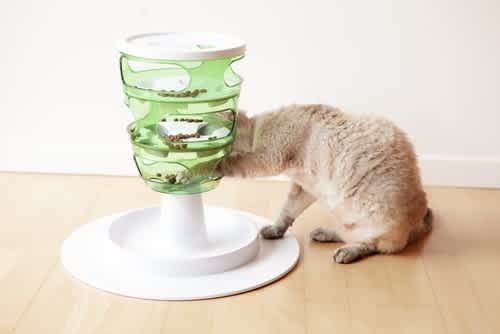
Range of toys, scratching posts, climbing trees, and puzzle feeders
Carrier for safe transport and vet visits
It’s also important to make sure all pets are up to date with vaccinations, flea and worming.
If you have any questions, our Joii team are available for advice 24 hours a day.
Creating a Safe Space for Your Cat
Cats feel most secure when they have a quiet retreat where they can rest undisturbed. Adult cats might need extra time to adjust to a new environment, especially if they are rescued or have health issues.
Place a bed in a calm area of your home, preferably up high
Provide cat trees or shelves so they can climb and observe
Use calming Feliway diffusers to help reduce stress
If you’re wanting to let your cat outdoors, consider safety factors, such as nearby busy roads. Keep adult cats in for at least 2-4 weeks. This gives enough time for settling in and spreading their scent. For kittens, wait until they’re neutered (at around 6 months) to let them out. Make sure your cat is microchipped and their new address and contact information are up to date.
How to Cat-Proof Your Home
Kittens may require more supervision. Set up areas for safe exploring and slow introductions to the rest of the household.
Make sure houseplants are safe for cats - find out more about common poisonous plants
Hide electric cables and remove hazardous objects that could be eaten, such as string and elastic bands
Close off any rooms where you don’t want cats climbing, hiding or getting stuck in places
Close washing machines and toilet lids to prevent accidents
Bringing Your New Cat Home
Helping Your Cat Feel Safe and Calm
A new cat can feel overwhelmed by new sights, smells, and sounds. Give them space to explore at their own pace and allow them to approach family members when ready. Familiar items, like bedding or toys from their previous home, can help them feel more comfortable. Keep the household calm and avoid forcing interactions. Excitement can overwhelm a new cat.

How to Introduce Cats to Other Pets
Cats aren’t usually sociable and struggle to share space. Ensuring you have one resource per cat, plus one more, is a good starting point to reduce conflict. For example, a house with 2 cats needs 3 litter trays. Resources include food, water, litter trays, a bed, resting areas, scratch posts and toys. Cats are often stressed by dogs, too, so any introductions should be gradual and controlled:
Keep pets in separate rooms at first, with their own resources
Swap bedding and toys to share scents
Use baby gates or screens for visual contact before face-to-face meetings
Allow short, supervised visits and gradually increase the time together
Reward calm, positive behaviour with treats and praise
Plug in a Feliway Diffuser nearby
Keep sessions short and positive, slowing down if either animal shows stress
Find out more in our multi-cat household blog.
Signs of Positive vs Negative Interactions
Recognising your cat’s body language is essential so you can intervene and prevent anything escalating:
Positive signs: relaxed posture, slow blinking, gentle sniffing, grooming, touching noses.
Negative signs: hissing, growling, swiping, flattened ears, crouching, hiding.
If negative behaviours occur, separate the pets and try a slower, more controlled approach. Consult a vet or qualified behaviourist, especially if there is any aggression between pets. Our Joii team can help.

Introducing Your Cat to Family and Visitors
Consistency is key when helping a cat adjust to new people. Keep interactions calm and positive.
Teaching Children and Visitors How to Interact with Your Cat
Teach children to let cats approach them, avoid chasing or hugging, and observe the cat’s body language. Always supervise interactions, especially with toddlers or young children, and give the cat access to a quiet space. Avoid disturbing cats when they are eating, sleeping, or using the litter tray.
Visitors should let the cat come to them. Avoid forcing contact and allow calm, controlled interactions. If there are any signs of aggression, keep the cats and children/visitors separate and consult with a vet or a qualified behaviourist as soon as possible for further advice.
Establishing a Routine and Bonding with Your Cat
Regular feeding, play, and rest routines can help reduce stress and unwanted behaviours. Whenever possible, keep meal times, food types, and play times at the same time each day, as cats thrive on stability. This is especially important for indoor cats, who can be more prone to boredom and behaviour issues. Gentle play, grooming, and calm interactions can help bonding with your cat.
Litter Training Tips for Success
Ensure all cats have their own litter tray, plus one extra:
Place litter trays in quiet areas away from doorways or busy areas
Most cats prefer finer, clumping cat litter
Clean trays regularly and avoid scented liners or litters
Use large open litter trays so cats don’t feel vulnerable or trapped
Exercise, Play, and Enrichment
Cats need mental and physical stimulation to prevent boredom and destructive behaviour. Especially indoor cats.
Provide interactive toys, chase toys, scratching posts, and puzzle feeders
Rotate toys to maintain interest
Offer climbing and hiding spaces, including cat trees and cat shelves
Keep daily play sessions short and positive

Common Problems When Introducing a New Cat
Separation Issues in Cats
Some cats experience stress when left alone. Signs include vocalisation, pacing, destructive behaviour and hiding.
How you can help:
Provide safe dens up high, such as boxes on their sides with cosy bedding, and cat shelves.
Provide a variety of toys and enrichment on rotation, such as puzzle feeders and feather chase toys.
Leave them alone as little as possible until they improve.
Consult a vet or qualified behaviourist for advice. Some cats need prescription medication and a behaviour training plan to help.
Scratching, Meowing, and Toileting Indoors
Unwanted behaviours can have many causes, including health issues, boredom, stress and anxiety. Stress can lead to health problems, including:
Overgrooming, hair loss and skin issues
Breathing faster or respiratory signs
Urine spraying and house soiling
Cystitis - straining, urinating more, blood in urine
Blocked bladder - a life-threatening emergency, more common in male cats
If you notice any of these signs, seek veterinary advice straight away.
For unwanted scratching, redirect cats to sturdy scratching posts. Use Feliway spray on areas you don’t want them to scratch.
Find out how to help with excessive meowing and house soiling in our blogs.
Keeping Your Cat Happy and Healthy
Once your new cat is settled in, book them for a routine vet health check. The vet can make sure they’re up to date with vaccinations, flea and worming too.
Get them used to the pet carrier at home first. Put their favourite bedding, toys and treats inside and allow them to explore on their terms. Use Feliway calming spray in the carrier 15 minutes before allowing your cat in.
Signs of a happy, well-adjusted cat include:
Relaxed body posture and tail, ears forward
Cuddling, resting and relaxing around the house
Grooming, eating, and toileting normally
Positive interactions with other pets - touching noses, resting and playing together
What to Do If Your Cat Won’t Settle
New cats need space and time to settle in. Most cats will take a few weeks to settle into their new home and routine, and up to a few months to feel right at home.
Keeping the environment calm, with all the correct resources and plenty of mental enrichment, will help. However cats are sensitive, stress and anxiety are common. If you have any concerns with your cat's health or behaviour, speak to a vet to rule out health issues.
Our Joii team can help. The vets can refer you to a qualified behaviourist for more support if needed.