


Heat Stroke in Dogs: Symptoms, Emergency Care and Prevention

Can dogs get heat stroke?
What to do if you think your dog has heat stroke
Early signs of heat stroke
Emergency signs
Common causes of heat stroke
Dogs at most risk
How vets treat heat stroke
Can dogs recover from heat stroke?
How to prevent heat stroke in dogs
Products in this article

Heat Stroke in Dogs: Symptoms, Emergency Care and Prevention
Heat stroke is a life-threatening emergency that can affect dogs of any age, particularly during warm weather or after exercise. Dogs can overheat much more quickly than many owners realise, and heat stroke can develop in a matter of minutes.
Knowing the signs of heat stroke and acting quickly can make a big difference to your dog's recovery.
Can dogs get heat stroke?
Yes. Heat stroke is a very dangerous condition that requires immediate veterinary care. It can be fatal if not treated quickly.
It occurs when a dog's body temperature rises so high that they can no longer cool themselves effectively. When a dog's body temperature becomes too high, it can cause serious internal damage.
Immediate treatment is vital. The longer a dog's body temperature remains dangerously elevated, the greater the risk of serious and potentially life-threatening complications.
What to do if you think your dog has heat stroke
If your dog shows signs of heat stroke, contact a veterinarian immediately.
Starting cooling measures at home can help improve your dog's chances of recovery while you arrange veterinary care.
Move your dog to a cool, shaded area and stop any exercise immediately.
Pour cool water over their body, avoid the nose and mouth.
Avoid covering them with wet towels, as these make cooling less effective.
Offer cool water if your dog is able to drink, and use a fan or create airflow where possible.
Even if your dog seems to improve, heat stroke can cause serious internal damage, so veterinary assessment is still essential.
Take your dog to the nearest veterinary clinic as soon as possible. During transport, use air conditioning if available or keep the windows open to help keep your dog cool.
Early signs of heat stroke in dogs
Early signs of heat stroke can include heavy panting, red gums, shaking, restlessness, pacing, drooling, vomiting, and diarrhoea.
If you notice any of these signs, stop any exercise, move your dog to a cool area, and contact your veterinarian for advice straight away.
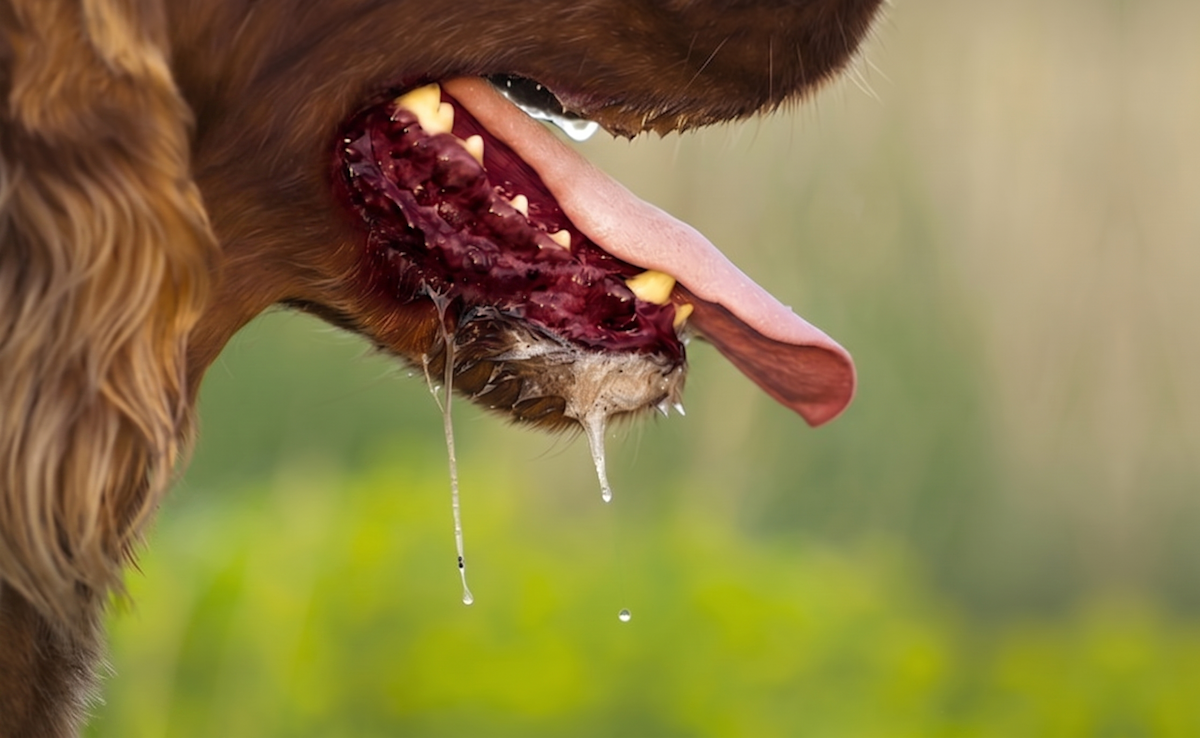
Severe signs of heat stroke that need urgent veterinary attention
Heat stroke is always an emergency. Contact a veterinarian immediately if your dog shows signs of overheating, even if they seem to improve with cooling measures at home.
Severe signs include collapse, confusion, weakness, difficulty breathing, seizures, or reduced responsiveness and they require immediate veterinary care.
Common causes of heat stroke
Heat stroke commonly occurs when a dog becomes overheated during play, exercise, or other physical activity. It can also happen if a dog spends too much time in a warm environment, whether that's outdoors in the sun, inside a vehicle, or in a poorly ventilated building.
Heat stroke is most common during the warmer summer months, especially in heat waves, but it can occur at any time of year.
Which dogs are most at risk of heat stroke?
All dogs can develop heat stroke because they cannot cool themselves as they rely mainly on panting to regulate their body temperature.
Some dogs are more vulnerable than others, including flat-faced breeds such as Pugs and Bulldogs, overweight dogs, very young or elderly dogs, and those with underlying heart, respiratory, or other health conditions.
How vets treat heat stroke
If your vet suspects heat stroke, they will examine your dog and assess their temperature and overall condition. Treatment may include cooling measures, intravenous fluids, oxygen therapy, and close monitoring, depending on how severely your dog is affected.
Can dogs recover from heat stroke?
Yes, dogs can recover from heat stroke, especially when it is recognised and treated quickly. However, heat stroke can cause serious damage to internal organs, and recovery will depend on how severely your dog was affected and how quickly treatment was started.
Even if your dog appears to improve after cooling down at home, contacting a vet is still important, as some complications may not be immediately obvious.
How to prevent heat stroke in dogs
A few simple precautions can go a long way in helping to keep your dog safe during warm weather.
At Home
Make sure your dog always has access to fresh drinking water, shade, and a cool, well-ventilated area. Close blinds during the hottest part of the day, use fans or air conditioning where possible, and consider cooling mats, frozen treats, or a paddling pool in the shade to help them stay comfortable.
During Walks
Walk your dog during the coolest parts of the day, such as early morning or late evening. In heat waves, it may be best to avoid walks and exercise altogether, especially for at-risk dogs. Always carry water and avoid hot pavements.
When Travelling
Never leave your dog unattended in a vehicle, even for a short time. Keep the car well ventilated, provide access to drinking water, and avoid travelling during the hottest part of the day whenever possible.
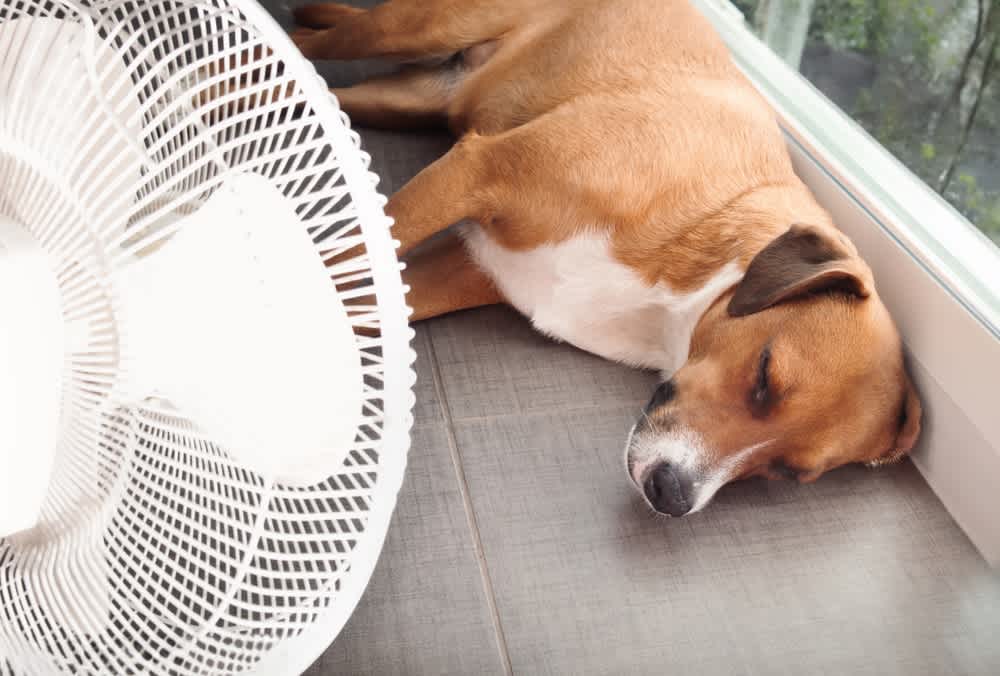
With a few simple precautions, mnay cases of heat stroke can be prevented.
If you have any concerns about your dog's health, or would like advice on keeping them safe in the heat, our online veterinarians are available to help 24 hours a day.


