


How Much Does Pet Insurance Cost in the UK? A Vet-Led Guide

Pet Insurance in the UK: Costs, Cover Options, and What Pet Owners Should Know
The Essentials of Pet Insurance
Why costs vary
What influences the cost?
Types of pet insurance
What is it for?
How claims work
What it doesn't cover
Extra features
Common Questions About Pet Insurance

How Much Does Pet Insurance Cost in the UK? A Vet-Led Guide
Pet Insurance in the UK: Costs, Cover Options, and What Pet Owners Should Know
Pet insurance in the UK can be confusing to navigate. Costs can vary widely, even for pets that seem similar, and the policy language can change between insurers. With mentions of exclusions, excess payments, benefits and extras, it is easy to feel uncertain about what you are actually paying for.
There is no single “average”, or one policy that fits all pets and the cost of insurance is influenced by a combination of factors. Understanding these factors can make a big difference when deciding which policy protections feel most appropriate for you.
This guide has been written by vets to try to make things a bit clearer. Focusing on how pet insurance works in the UK, why costs vary and the realistic benefits to help you make the best choice.
The Essentials of Pet Insurance
Typical costs
The cost of pet insurance usually varies by species. Cats generally cost less to insure than dogs, particularly large dogs. In the UK, pet insurance often starts from £8 to £15 per month for cats and around £10 to £30 per month for dogs. This price can be higher or lower depending on factors such as cover level, age, breed and the pet's previous health.
Insurance is not for routine care
Pet insurance policies are designed to help budget for unexpected vet costs, such as with injuries or illnesses, rather than routine checks or preventative care, such as vaccinations. Some policies even stipulate that cover is only available if preventative measures have been taken.
Why Pet Insurance Costs Can Vary So Much
Pet insurance prices can vary hugely, which can make comparing different policies frustrating. This variation reflects how insurers consider the risks rather than actual inconsistencies in pricing. Monthly cost is only part of the picture, it’s more helpful to look at the difference between short-term affordability and long-term value. A policy with a lower monthly premium may seem on the surface to be more appealing, but it may also limit how much can be claimed for a condition or how long certain conditions remain covered.
Insurance works with what’s called pooling risk. This means the premiums paid by many pet owners help cover treatment for those pets who become ill or injured. Factors such as a pet’s age, breed, size, and current and previous health all influence how insurers calculate the risk. Veterinary care in the UK has advanced significantly in recent years, with improved diagnostics, treatments, and specialist services being available to the wider public. These developments improve options and outcomes for pets but also contribute to rising treatment costs.
What Influences the Cost of Pet Insurance?
Insurers assess the likelihood of needing veterinary care over the course of your pet's life and use this information to calculate the monthly premium cost. While every insurer uses slightly different models, most consider the same underlying factors when determining these costs.
1. Your Pet’s Age, Breed, and Size
Age is one of the biggest factors affecting insurance costs. This is because younger animals are less likely to develop health conditions. As pets age, the likelihood of illness or ongoing treatment increases, and so the premium costs reflect this.
Breed can also play a role. Some breeds are more prone to certain inherited or long-term conditions, which insurers factor into their pricing. For example, breeds known to have a higher risk of heart conditions often come with higher costs. Crossbreeds generally have lower premiums than pedigree animals, but this varies between insurers.
The size of your pet also matters, particularly for dogs. Larger dogs may require higher doses of medication, and surgery costs can be higher due to their size, weight, and the need for additional equipment. This is one reason insurance for large dogs is often more expensive than for smaller breeds.

2. Where You Live and Local Vet Fees
Location can also affect insurance pricing. Veterinary treatment costs vary across the UK, and insurers take these regional differences into account when calculating price ranges.
In areas with a higher cost of living, in particular large cities, veterinary care may be more expensive due to costs such as staffing, facilities and specialist local services. Policies for pets in these areas can also be priced higher than those in rural areas.
These differences don’t reflect differences in care quality, but rather the varying costs associated with running a veterinary practice in different locations.
3. The Level of Cover You Choose
Most importantly, the type of policy you choose affects the monthly cost. There are multiple policy types available, such as accident-only or time-limited. See more details on these below.
As these policies offer different levels of protection, the type of cover you choose can have a significant impact on the premium.
Common Types of Pet Insurance in the UK
Pet insurance policies in the UK are usually grouped into a few main types. Each one offers a different level of protection, which is why it helps to understand the differences before choosing which cover to go for.
Rather than focusing on which option is “best”, it is often more useful to think about which areas of protection feel most appropriate for your pet and your own circumstances.
Accident-Only Policies
Accident-only policies are the most basic type of pet insurance. They typically only cover treatments for injuries caused by accidents, such as fractures, wounds or swallowing something harmful.
These policies are most suitable for owners who mainly want support with unexpected injuries. These policies don’t cover illnesses or ongoing health conditions, so their overall protection can be more limited.
Time-Limited Policies
Time-limited policies usually cover both illness and injury, but only for a certain period or up to a set financial limit for each condition. Once that time or limit has been reached, the condition is normally excluded from future claims.
This type of cover can work well for short-term conditions, but may be less helpful if a pet develops a long-term or recurring illness.
Lifetime Policies
Lifetime policies generally offer the most comprehensive level of cover. As long as the policy is renewed each year, ongoing conditions may continue to be covered within the annual claim limit.
For pets that develop long-term health conditions, this type of policy can offer greater continuity of cover, although premiums are often higher than more limited plans to reflect this.
What Pet Insurance Usually Helps With
Pet insurance is designed to help owners manage the cost of unexpected veterinary treatment. While the details vary between each policy, most plans aim to provide financial support if a pet becomes ill or injured and needs medical care.
Many policies contribute towards costs, such as:
Accidents and injuries, such as broken bones, wounds, or swallowing something harmful.
Sudden illness, including infections or conditions that require veterinary treatment.
Diagnostic tests, to help vets investigate causes of a pet’s symptoms and guide treatment options. These can include blood tests, X-rays, ultrasound scans, or other imaging.
Hospitilisation or surgery, if a pet requires an operation or needs to stay at the practice for monitoring or continued care.
Medications and treatments, prescribed to manage illness or injury and support them through recovery.
Ongoing care for certain conditions, depending on the type of policy and its limits.
Having pet insurance can help make it easier for owners to focus on their pet’s treatment rather than the stress of financial pressure during an unexpected vet visit.
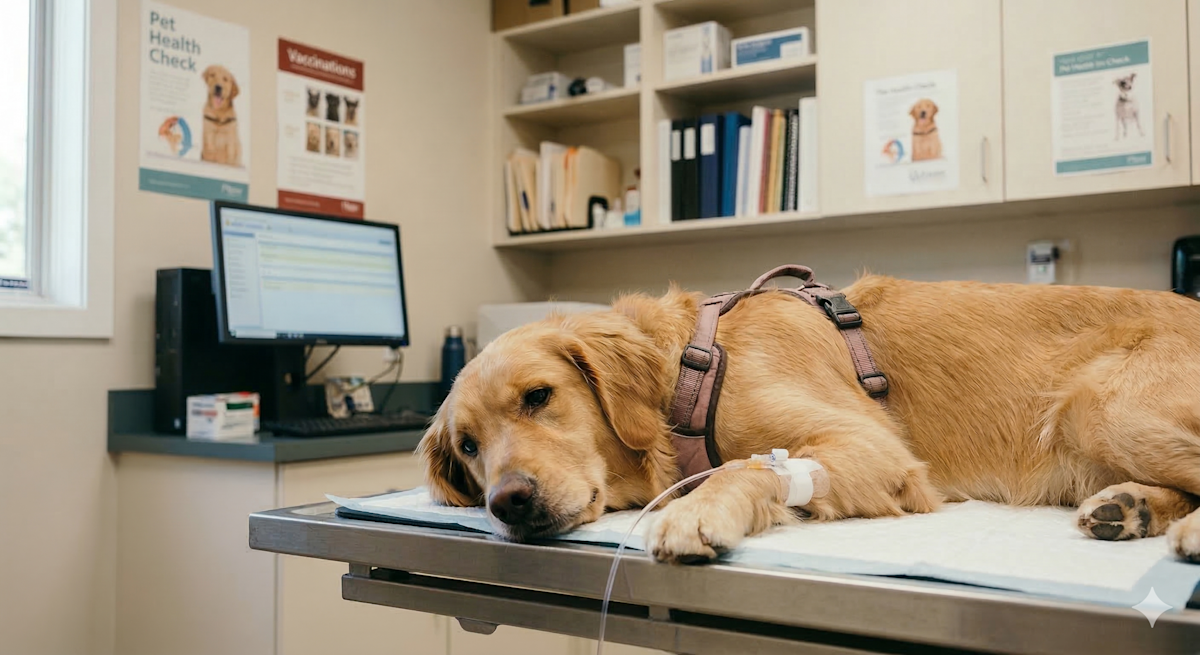
However, what is covered varies between policies, so it is always important to check the wording of the policy carefully to understand exactly what protection is offered and its limitations.
How Pet Insurance Claims Usually Work
Understanding how claims work before needing them can really help reduce stress in the moment and help you feel more prepared should your pet ever need treatment. While the exact process can vary between insurers, pet insurance in the UK often works on a reimbursement basis. This means the owner usually pays the veterinary bills first and then claims the covered amount back from the insurer.
A typical claims process involves the following steps:
The pet owner pays the veterinary bill, either at the time of treatment or shortly afterwards.
A claim is submitted to the insurer, often online or through a paper form completed by the pet owner and vet practice.
Supporting evidence is provided, such as invoices, clinical notes or treatment details.
Reimbursement is received for the covered portion of the cost once the claim is approved.
Most policies include an excess, which is the amount the owner contributes towards a claim before the insurer pays the remaining covered costs.
In some cases, veterinary practices may be able to arrange a direct claim, where the insurer pays the practice directly rather than the owner paying upfront. However, this depends on both the insurer and the individual practice, so it should always be checked first.
What Pet Insurance Doesn’t Usually Cover
Pet insurance can really help with unexpected vet visit costs, but some things can’t be covered by insurance.
These exclusions often include:
Pre-existing conditions, illness or injuries that were present or showing symptoms before the policy started.
Routine or preventative care, such as vaccinations, flea and worm treatments, regular health checks and neutering surgery.
Elective or cosmetic procedures, particularly procedures that are not linked to a medical condition or recommended by a vet.
Some policies may offer add-ons or wellness plans that can help with certain preventative costs. Veterinary practices themselves usually offer health plan options. These should not be confused with pet insurance. Instead, these plans help reduce costs for preventative health care such as annual check-ups, vaccinations and flea and worm treatments through a monthly subscription.
Added Features and Extras Some Policies Include
Some pet insurance policies include additional services alongside the core cover. While these extras don’t replace insurance for illness or injury, they can offer useful support in everyday situations.
Examples may include:
Video or app-based vet consultations, allowing owners to speak with a vet without visiting a clinic, through platforms such as Joii.
Multi-pet discounts for full family care options.
Behavioural advice helplines, for training or behaviour concerns.
Nutrition guidance or pet health support services.
Partner discounts or sample boxes from pet food or product brands when you join.
Lost pet support services, such as helping with advertising or recovery.
These features vary between providers but can add extra reassurance and convenience alongside the main insurance cover.

Common Questions About Pet Insurance
Q: How much is pet insurance per month in the UK?
A: Costs vary by pet, age, breed and cover level. As a rough guide, cat insurance may start around £8-£15 per month. While dog insurance often starts around £10-£30 or more.
Q: Can older pets still be insured?
A: Some insurers offer policies for older pets, but options may be more limited, and premiums are usually higher.
Q: Do insurance companies pay the vet directly?
A: Owners usually pay the vet bill first and claim the covered amount back. Some practices can arrange direct claims with insurers in certain cases.
Q: Can I switch pet insurance policies later?
A: Yes, but conditions that arise under a previous policy may be considered pre-existing by a new insurer. Continued coverage may not be possible for the condition.
Q: Is pet insurance worth it in the UK?
A: Insurance can help manage unexpected vet bills, and can reduce financial stress and worry during already incredibly stressful situations, but whether it is worthwhile depends on your finances and comfort with risk.
Q: How can I keep pet insurance affordable?
A: To make pet insurance less costly, choosing a suitable policy when your pet is young and healthy is best. Make sure to review your policy regularly to ensure it remains suitable and consider multi-pet discounts if appropriate to manage costs.
Pet insurance is about preparing for unexpected veterinary costs, and understanding what a policy covers is often more important than focusing only on the lowest price. If you are unsure what level of cover suits your pet and what their individual future risks are, speaking with a vet can help guide the decision.
