Just How Dangerous Are Ticks? How Ticks Spread Disease and Why Prevention Matters

Why ticks are becoming more common
Diseases that ticks can transmit
How parasite prevention protects against ticks
Our Parasite Prevention Plans
Consistency is your pet’s best protection

Just How Dangerous Are Ticks? How Ticks Spread Disease and Why Prevention Matters
Ticks may be small, but they can cause more problems than just itchy skin from a bite. These parasites can carry diseases that affect our pets (and sometimes humans). While known for their high-risk seasonal sightings in the warmer months, ticks are present all year round and can continue to cause issues.
Tick-borne diseases are serious conditions that cause a variety of symptoms and can lead to severe, sometimes life-long, health problems if untreated. Tick prevention is safer and easier than treating these diseases.
Why ticks are becoming more common
Ticks are very common in the UK, and their population is growing. Due to warmer climates and milder winters, ticks are more active through much of the year, and owners are finding ticks on their pets more frequently. Ticks are known for being found in woods and long grassy areas, with hot spots in the South of England and the Highlands of Scotland. But due to increased urbanisation and growing towns, ticks are making a home for themselves where they can find their hosts, such as in parks and gardens visited by wildlife.
With the Pet Travel Scheme, international pet travel has increased, which exposes them to novel tick vectors and diseases, but as the tick population in the UK is expanding, pets don’t have to travel far to be at risk.
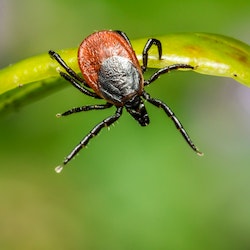
Diseases that ticks can transmit
Ticks can carry harmful bacteria and diseases, which can be transmitted to your pet when they bite. Not all bites lead to disease, and most require the tick to feed for 36-48 hours for transmission to happen. Because of the seriousness of the diseases that they spread, killing ticks before they have the chance to transmit infection is key.
Lyme disease
Caused by the bacteria Borrelia burgdorferi, which is spread via ticks. It’s rare in cats but is more common in dogs. Symptoms of Lyme disease in dogs include:
Lethargy
Swollen joints
Shifting lameness from leg to leg
Loss of appetite
If untreated, the disease can, in rare cases, progress to kidney issues, which can be fatal.
As symptoms of Lyme disease can appear weeks to months after a bite, diagnosis is difficult and made through clinical history of symptoms, history of tick exposure and use of parasite cover. Diagnostic tests or a skin biopsy near the bite site can confirm the pathogen. Prompt treatment with antibiotics early gives the best chances of full recovery.
Babesiosis
Babesiosis is caused by the parasite Babesia canis, which is transmitted through tick bites. This disease can cause severe anaemia and needs prompt veterinary treatment.
Symptoms include:
Pale gums
Dark urine
Jaundice
Sudden lethargy
Diagnosis includes a full physical examination, blood tests and further lab tests to confirm. Treatment options typically include an injectable medication called imidocarb dipropionate along with supportive care.
Anaplasmosis
Anaplasmosis is another tick-borne disease affecting dogs in the UK, primarily caused by the bacteria Anaplasma phagocytophilum. Symptoms can include:
Fever
Lethargy
Joint pain and swelling
Loss of appetite
Swollen lymph nodes
Enlarged spleen
Diagnosis is made through clinical history and lab tests to identify the presence of the bacteria and antibodies. Treatment is through antibiotics and supportive care.
How parasite prevention protects against ticks
Tick preventative treatment for dogs works by either killing the ticks on contact, preventing attachment or disrupting their nervous system to eliminate them before they can transmit diseases. The faster the tick is killed, the less chance there is of diseases being transmitted to your pet.
Treatment options include:
-
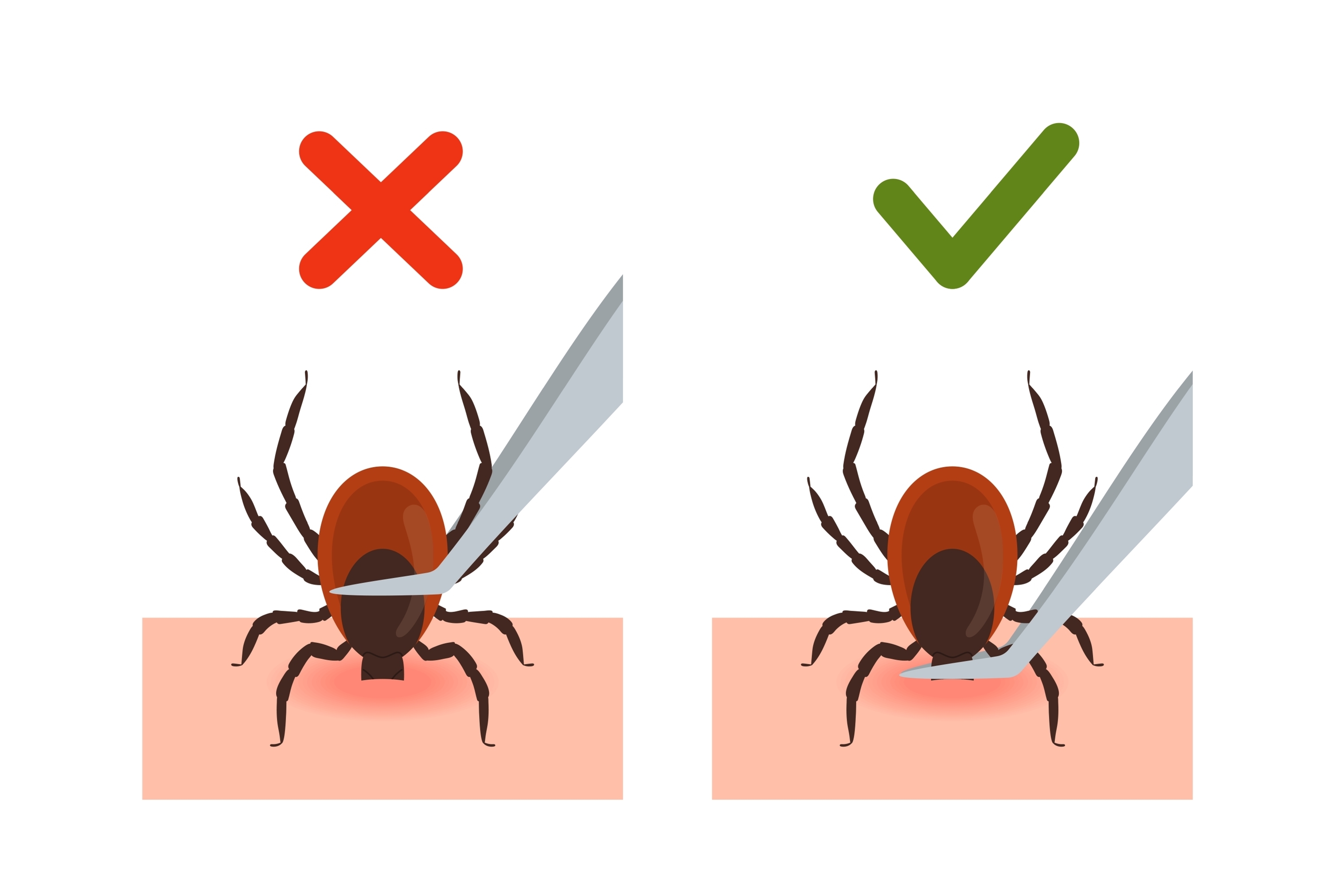
Immediate tick removal - using a tick removal tool or fine-nosed tweezers to remove the tick. Aim to grab as close to your pet’s skin as possible to ensure you get the whole tick and do not crush the body, which can cause the tick’s contents to be ejected back into your pet.
-
Topical treatments - “spot-on” treatments applied directly to your pet's skin. These products paralyse or kill ticks on contact. They are e
ffective in treating them before they bite, and the protection lasts several weeks to a month.
Oral medications - these medications work systemically, meaning they are active within the pet’s bloodstream and ingested by the tick when they bite. These medications disrupt the tick's nervous system, causing paralysis and death, killing the tick before prolonged feeding and reducing the risk of transmission of diseases. Oral medications often provide long-lasting protection ranging from 1-3 months, depending on the product.
Tick collars - chemicals are released slowly over time, which kill ticks on contact and repel new ones. Collars can provide several months of protection.
Whichever method is used, consistency is the most important factor to ensure reduced exposure risk to tick-borne diseases.
Our Parasite Prevention Plans


Consistency is your pet’s best protection
While ticks are small, they pose several serious health risks to your pets. Given that tick populations are spreading across the UK and can be active year-round due to milder winters, prevention is the easiest and safest approach to protection. Consistent, year-round parasite protection is the best way for UK pet owners to significantly reduce the risk of their pets contracting tick-borne diseases.