


Road Traffic Accidents (RTA’s) involving Cats and Dogs

Has your pet been hit by a car? What to do after a road traffic accident
What to do
Moving an injured pet
First aid
Injuries
Cat signs
No signs after accident
Treatment
Key Takeaways

Road Traffic Accidents (RTA’s) involving Cats and Dogs
Has your pet been hit by a car? What to do after a road traffic accident
Road traffic accidents (RTAs) are unfortunately a common veterinary emergency that is seen. A recent study showed that as many as 4 in 1000 dogs are involved in an RTA. Injuries sustained from these accidents are sometimes obvious, while others can be hidden, and pets can appear normal immediately after an accident due to adrenaline. But internal injuries can be life-threatening even if no wounds are visible externally.
Veterinary assessment is recommended after any significant collision. In this article, we look into immediate actions that should be taken and warning signs that your pet may have been involved in an accident.
What Should You Do If Your Dog or Cat Has Been Hit by a Car?
Stay calm and keep yourself safe
It is essential to ensure no one else is at risk after an accident. If your pet has been hit in or near a road, take care approaching them and avoid stepping into traffic. If another person is nearby, ask them to help warn oncoming vehicles.
Injured animals are often frightened, confused and in pain, and so can be unpredictable. Even a usually gentle pet can bite and scratch in these situations. So speak quietly, move slowly and avoid unnecessary touching until you are ready to move them.
Keep your pet warm and still
After trauma, some pets develop shock. Shock is a life-threatening state where the body is not delivering enough oxygen to the body tissues. Signs include pale gums, rapid breathing, cold feet or ears, collapse, vomiting, shivering or becoming quiet and unresponsive.
If possible, wrap your pet in a blanket or towel to both help keep them warm and reduce movement, which may cause further injury. As fractures and spinal injury are possible, try to support the whole body gently.
Contact your veterinary practice
Phone your vet or the nearest emergency hospital as soon as possible, let them know what has happened, and how your pet is currently. Calling ahead allows the veterinary team to advise you on the next best steps for your individual pet, prepare for your arrival where possible and let you know if another emergency provider would be able to see them more quickly.
How should you transport an injured dog or cat?
Transporting a dog safely
If your dog is small enough to carry, lift them gently while supporting both the chest and rear end. Try to keep the spine and legs as still as possible. For larger dogs, a blanket, towel or coat can be used as a makeshift stretcher. Ideally, two people should lift together so the dog’s body is supported evenly. Where possible, avoid allowing your dog to walk, as some injuries can worsen with movement.
If your dog is in pain, take care around their face. A temporary muzzle may sometimes be needed for safety, but do not muzzle a dog who is vomiting, struggling to breathe, unconscious or has facial injuries.
Transporting a cat safely
Cats often hide, scratch or try to escape when they are scared or in pain. If possible, gently wrap your cat in a towel before placing them in a secure carrier. A strong box or carrier can help prevent escape and reduce movement during the journey.
Avoid chasing an injured cat around a house or garden as it will often make them panic. Instead, close doors, reduce noise, move slowly and use a towel or carrier once they are within reach.
First Aid
Bleeding: If your pet is bleeding, apply steady pressure using a clean cloth or towel. Do not repeatedly lift the dressing to check, as this can disturb clot formation. Instead, keep pressure applied.
Medication: Do not give human painkillers or food unless your vet instructs you to. Some human medications are toxic to pets, and food may increase anaesthetic risks if emergency surgery is needed.
Not responsive: If your pet is unconscious, make sure their airway is uncovered, but avoid putting your fingers in their mouth, as biting can still occur unknowingly.
What injuries can happen after a road traffic accident?
Road traffic accidents can cause many different injuries, from mild bruising to life-threatening trauma affecting several body parts at once. Some injuries are obvious straight away, while others are much harder or impossible to spot without diagnostics until they get worse. This is why veterinary assessment is recommended after any significant RTA, even if your pet seems relatively comfortable.
Some injuries that your vets will be looking for include:
Fractures or joint injuries
Chest injuries or breathing changes
Internal injuries and bleeding
Head and spinal injuries
What are the signs that your cat may have been hit by a car?
Many cat RTAs are not witnessed due to their roaming nature. A cat may be hit by a vehicle but then run away and hide. Sometimes for hours or days before returning home, once they feel safer.
Signs your cat may have been hit by a car include:
Hiding more than usual
Limping or stiffness
Reluctance to jump
Rapid or laboured breathing
Bleeding from the nose, mouth or wounds
Blood on fur
Sudden aggression
Collapse
Multiple scuffed or broken claws
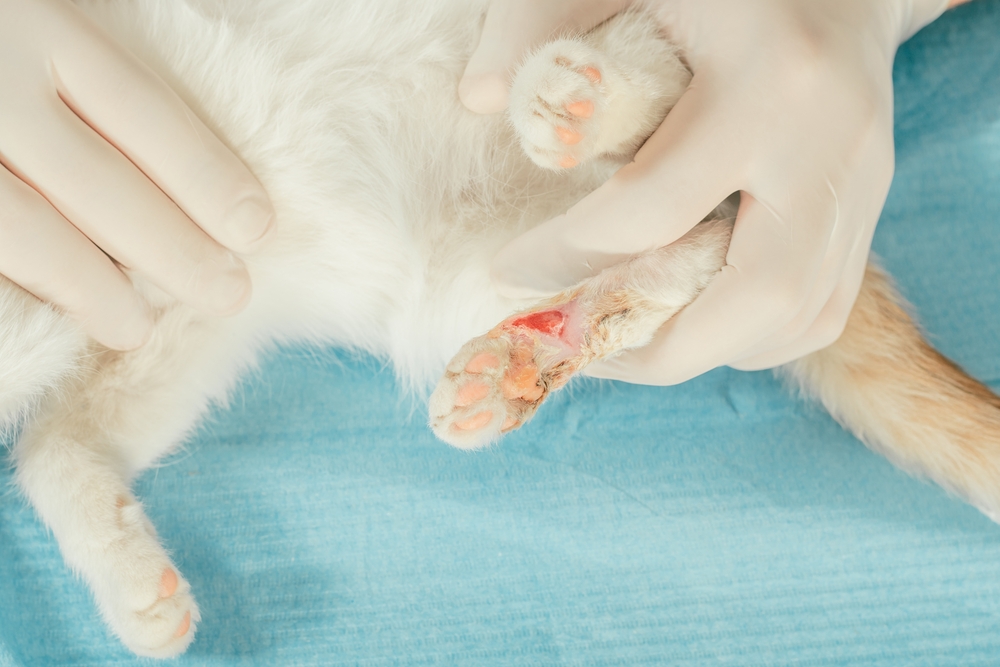
Cats often hide signs of pain, so any subtle change matters. A cat whose behaviour suddenly changes, or moves differently or seems to be hiding after being outdoors should be checked by a vet.
Can a pet be hit by a car and seem fine?
Yes. Some dogs and cats can appear surprisingly normal immediately after an accident. They may stand up, walk away or even run home. This does not mean they are uninjured.
Adrenaline can temporarily mask pain, and some injuries take time to become obvious. For this reason, any significant road traffic accident should be treated seriously. A veterinary examination is the safest way to check for hidden injuries, provide pain relief and decide whether monitoring, imaging or hospitalisation is needed.
Treatment for pet RTAs
Your vets will begin by assessing your pet and the most urgent body systems first. This emergency approach helps identify life-threatening problems first and, once stable, allows other injuries to be investigated and treated.
Depending on your pet’s condition, diagnostics and treatments may include:
Oxygen therapy
Intravenous fluids
Wound care
Continued monitoring
Surgery
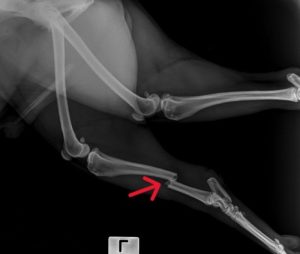
Some pets can go home after examination and pain relief, whereas others may need hospitalisation and monitoring for further treatment.
Key Takeaways
Any dog or cat hit by a car should be assessed by a vet, even if they seem normal.
Keep yourself safe before approaching an injured pet.
Injured pets are unpredictable and may bite or scratch because of fear and pain.
Keep injured pets warm, still and supported during transport.
Cats may only show subtle signs of an RTA, including hiding, scuffed claws or behaviour changes.
Road traffic accidents in dogs and cats should always be taken seriously, even when injuries are not immediately obvious. Keeping your pet calm, warm and supported while arranging urgent veterinary care gives them the best chance of a safe recovery.
If your pet has been hit by a car or you suspect an unwitnessed RTA, contact your veterinary practice right away. If you are unsure whether your pet is showing subtle symptoms or have any questions, a Joii vet can help advise whether in-person care is needed.