


World Vet Day 2026: From Herriot to High Tech

What is World Vet Day?
How pet ownership has changed
A personal perspective: how things have changed
Understanding the cost of modern vet care
Behind the scenes
You and your vet are on the same team
Recognising the people behind the profession

World Vet Day 2026: From Herriot to High Tech
It’s 6 pm. You’ve just finished a busy day.
The seizuring cat has finally settled. The late-night stitch-up’s gone home. The little crossbreed from the local rescue centre is curled up with the seven healthy puppies you delivered at 3 am. Today’s dentals and neutering are done. Consults are finished too - six dogs, three cats and a rabbit. Bloods taken, ear swabs checked, urine samples tested. All waiting to be written up.
Some moments linger. The joyful ones - the cute puppy in for its first vaccination. And the heartbreaking. Telling recently-widowed Mrs Parry that her little Dachshund isn’t going to get better.
You’re just welcoming thoughts of dinner when the phone rings.
Buster, the insatiable Labrador, has been at the home-baking again. Sultana scones this time. Tin foil included. Looks like the day’s not over yet. Time to take a breath… and persuade one very happy (and completely unrepentant) Labrador to part company with his latest ‘treasure’.

If you share your life with a pet, chances are your vet has been there for some of the most important moments in your four-legged friend’s life. From first vaccinations to worrying symptoms, and the times when something just ‘doesn’t feel quite right’’.
This World Vet Day, we wanted to share a glimpse inside the veterinary profession. To make a difference to everyone’s peace of mind by sharing with you what your vet does, who they are, their motivation and the emotional commitment of their role in your pet’s lifelong care.
What is World Vet Day?
World Vet Day is celebrated annually on the last Saturday in April each year. It’s an international event to recognise the work vets do every day keeping animals healthy and supporting the people who love them and depend on them.
Vets and veterinary nurses across the world don’t just treat illness. They also play a vital role in preventative care, public health and animal welfare.
What your vet really does
Most people will see their vet’s day-to-day role as vaccinating or treating sick animals. And yes, that’s a big part of the job. But they'll also be:
Preventing disease through routine preventive care
Investigating and diagnosing complicated health conditions
Performing operations: some complex, some routine - none taken lightly
Helping with training and challenging pet behaviour
Supporting pet owners through their pet’s end-of-life care
Vets treat sick animals, but they also support pet owners and families through some of life’s most emotional and stressful experiences.
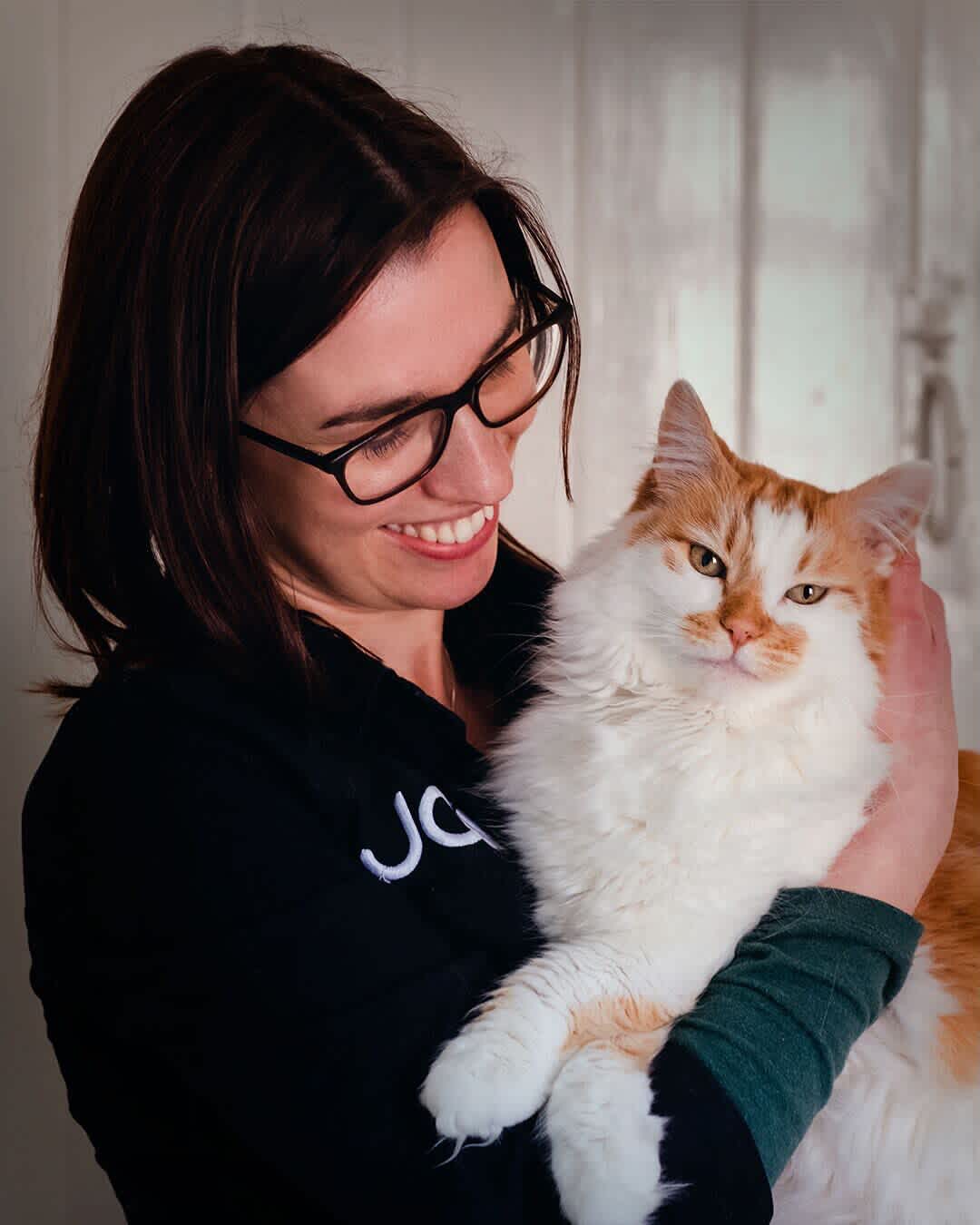
How pet ownership has changed
The role of pets in our lives has changed dramatically over the past 20–30 years. To many people, they’re no longer ‘just’ companions. Pets are family. And with that shift has come a shift in our expectations. We’re all looking for:
The best possible medical care
Faster answers and clearer communication
More time with a vet and reassurance
Veterinary care and veterinary teaching have evolved to try and meet these expectations. But inevitably, the role of vets has become much more complex, both medically and emotionally.
A personal perspective: how things have changed
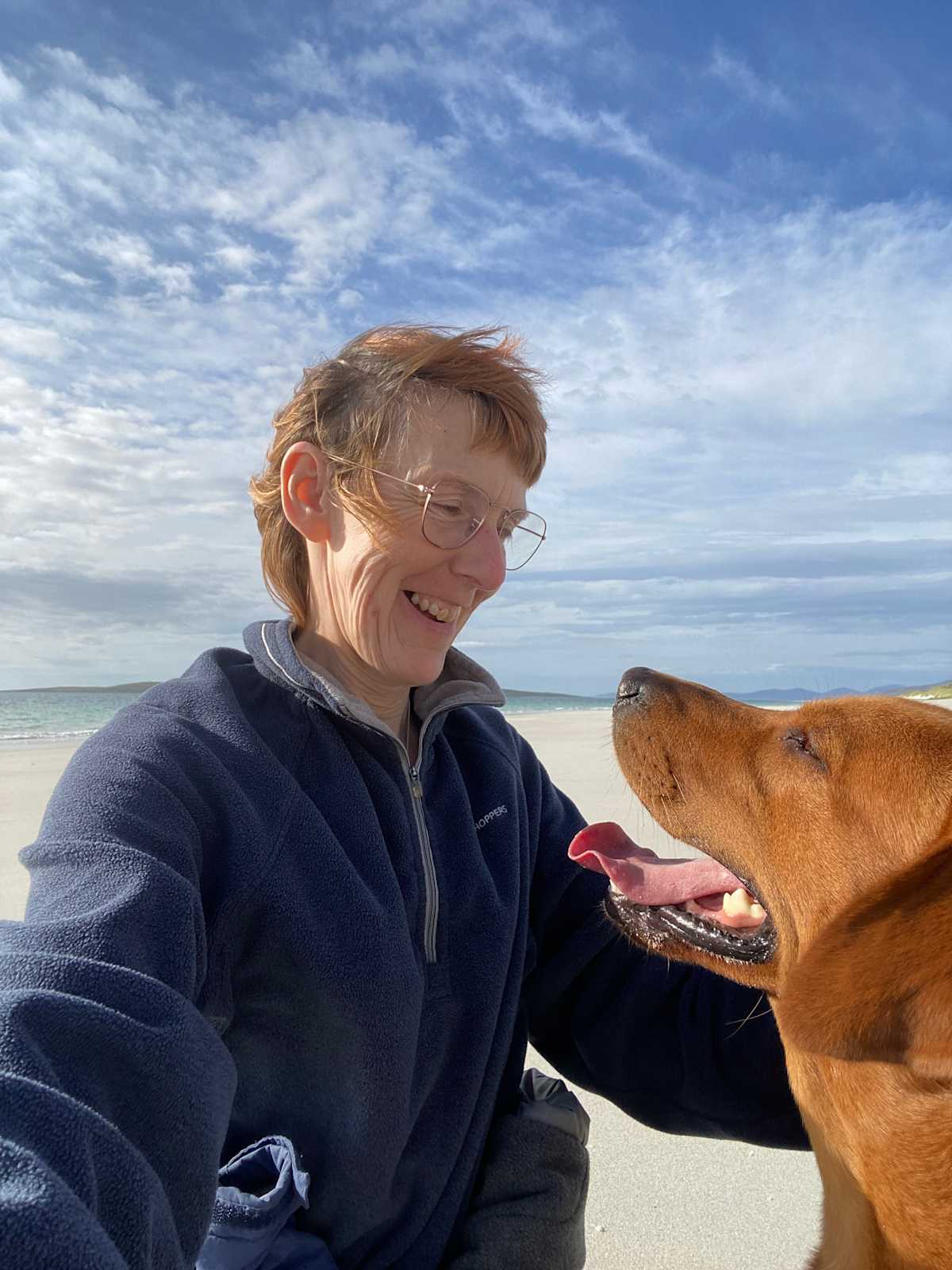
I graduated as a vet nearly 40 years ago, towards the end of what many of us (older people!) think of as “the ‘James Herriot era” and immortalised in ‘All Creatures Great and Small’.
Things seemed more straightforward in those days. There was no internet, fewer options and fewer expectations. Costs were always a concern, but never such a pressure. Mutual trust forged a bond between vets and pet owners.
Veterinary medicine has changed enormously since then - driven by the desire to do better for our patients. We now have equipment and treatments that were unimaginable 40 years ago, including:
Advanced imaging
Equipment and expertise for complex surgical procedures
Cancer treatments
A much deeper understanding of disease
This progress means most vets now concentrate on specific types of veterinary work, often bringing specialist-level care into everyday practice. Few new vets can be ‘all-rounders,’ like James Herriot.
Understanding the cost of modern vet care
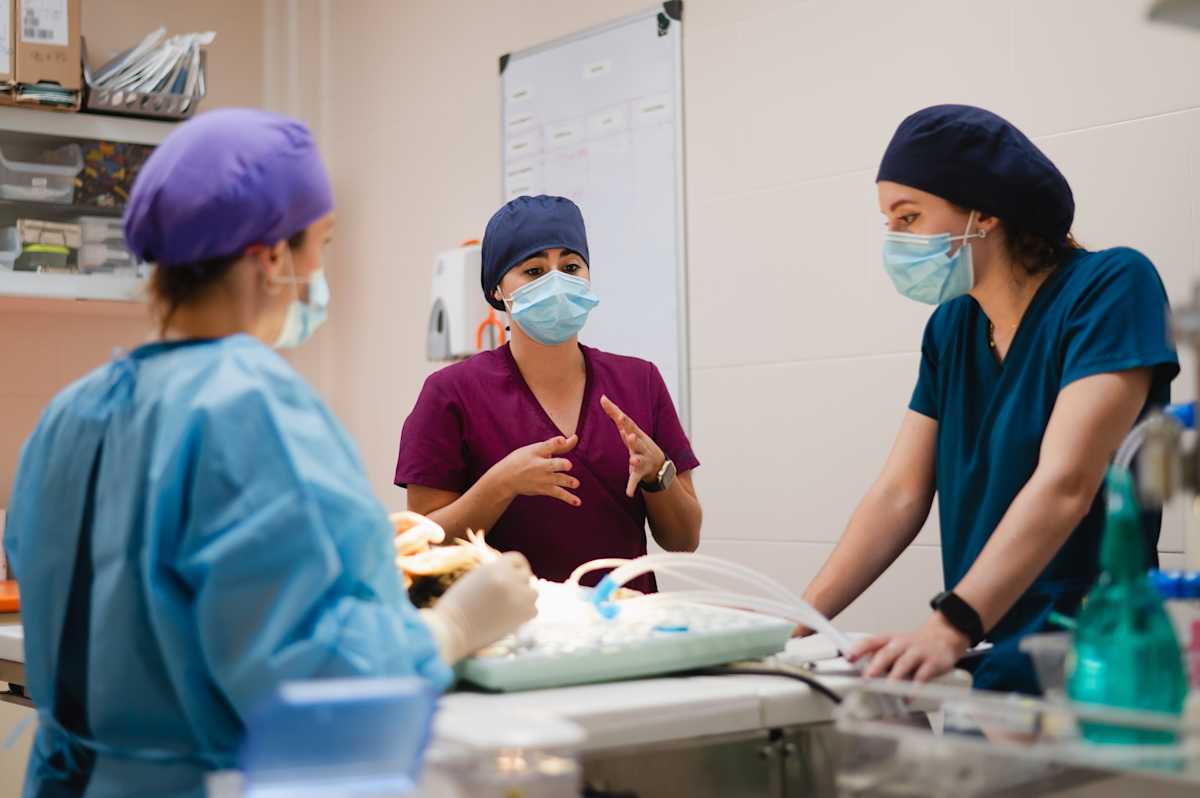
Modern veterinary care relies on advanced diagnostic equipment, modern facilities, trained teams and well-equipped practices.
Every visit to the vets involves a whole team - vets, nurses, receptionists and all the support staff working in the background to keep things running as smoothly as possible.
The structure of the vet profession has also changed beyond recognition from ‘the old days’. Practices that were once largely independently owned are now part of larger organisations. Corporate ownership has driven many positives:
Investment in the profession
Improved facilities
Access to advanced care.
But it’s also brought new challenges, not least the rising costs.
Most vets you’ll meet in practice aren’t deciding costs. And they’re not becoming wealthy from them. The majority of vets earn a comfortable living, but not an extraordinary one.
The usual salary for UK vets outside London is around £55000
The starting salary new vets can expect is £33000- £35000
Average student debt on graduation after 5-6 years is around £70000
Vets enter the profession because they want to understand illness in animals, how to treat it and how to make them better.
Behind the scenes
One huge, but often unseen aspect of working as a vet is the emotional commitment:
To be there when pets are unwell
When decisions are difficult
And when it’s time to say goodbye
As animals become part of the family, caring for them brings a deeper emotional bond, greater expectations of healthcare and more difficult decisions around ‘what’s best’. Vets are part of the journey, and the responsibility can often weigh heavily.
Neither animals nor illness are straightforward. ‘Answers’ can be hard to find
Treatment decisions can’t always be guided by what’s medically possible, but by what’s practical and affordable. Nothing can prepare new vets for the emotional strain of this responsibility.
Emotional tolls don't disappear at the end of the day. Over time, they contribute to high levels of stress and burnout in the profession - physical, mental and emotional.
Many vets ‘at the coal face’ work very long hours. Often under pressure, and regularly putting the needs of their patients first. Sometimes at the expense of their own wellbeing.
You and your vet are on the same team
On World Veterinary Day, it’s worth remembering that ‘gold standard care’ for our beloved pets isn’t about always following the most expensive or extreme option. It’s about choosing the approach that best supports your pet’s quality of life in a way that’s affordable (in every sense) and right for you both.
There’s no one-size-fits-all answer. What really matters is being able to make informed and thoughtful decisions.
So talk to your vet if you’re worried about costs, unsure about a treatment plan or need to explore alternative options. It’s always okay to ask. In fact, it's your absolute right.
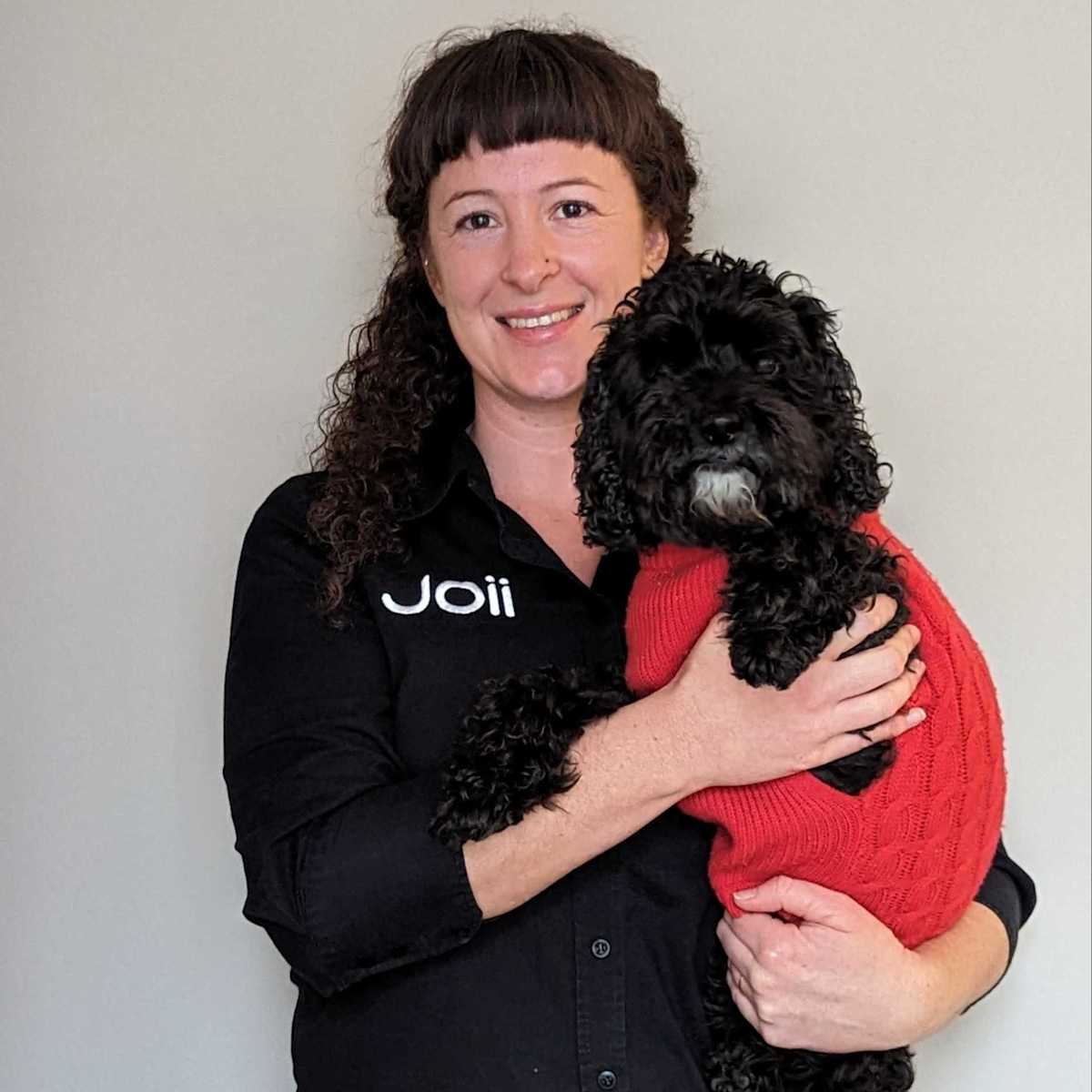
It might not always feel like it in the stress of the moment. But you and your vet are on the same team. And with a bit of mutual understanding, we can work together to make sure your pet gets the best possible care. That’s as true today as it’s ever been.
Recognising the people behind the profession
This World Vet Day, we won’t ignore the challenges surrounding rising costs and access to care. Those conversations have to happen. But it’s also a chance to recognise the people behind the profession.
The ones who:
Stay late to monitor their sick patients.
Who double-check results to make sure nothing’s missed.
Who’ll greet each new client with a smile, despite the heartache of a previous case.
Who’ll work through every ‘break’ and ‘lunchtime’ to see every patient.
Who care deeply about the animals they treat - and the people who love them.
If your vet has helped you and your pet, a simple “thank you” can mean more than you realise. Let's celebrate our pets and their vets.
Share photos of your four-legged friend and a shout-out to the vets who’ve helped them today. You can tag us on Instagram @joiipetcare, or submit your photos by email to [email protected]
The PDSA Pet Health Inequality Report highlights a growing challenge for pet owners, with many facing difficult decisions about veterinary care as costs rise. Behind these figures are veterinary teams under increasing pressure—supporting both pets and owners—reminding us how closely pet, owner, and vet wellbeing are all connected.