


Reactivity and Aggression in Cats

Causes
Types of aggression
Why
What to do
Home treatment
What not to do
When it's normal
Prevention
When to worry
Products in this article

Reactivity and Aggression in Cats
Reactivity is when a cat overreacts to a trigger and can lead to aggressive behaviour such as scratching, attacking and biting. This can be directed at other cats, animals or people and can cause serious wounds.
There are different types of aggression in cats. These include inter-cat, fearful, territorial, maternal, play or predatory, redirected and petting induced. Medical conditions such as pain are also common causes of aggression and behaviour changes. It’s important to seek advice from a vet for any reactive or aggressive behaviour. Previous experiences and environmental factors also play a big role. Treatment depends on the underlying cause and includes medications, home changes and advice from a vet and qualified behaviourist.
What causes reactivity and aggression in cats?
There are lots of reasons and sometimes more than one is involved. This can include medical causes, the cat's environment and past experiences. Any medical condition that makes a cat feel unwell or painful can make them react aggressively.
Medical Causes
Dementia in older cats
Pain such as arthritis
Hearing or sight issues
Neurological conditions
Urinary problems such as cystitis
Once medical causes have been investigated and ruled out by a vet, the type of aggression can be identified. This should be done with a vet and qualified behaviourist.
Types of aggression
Between cats outdoors
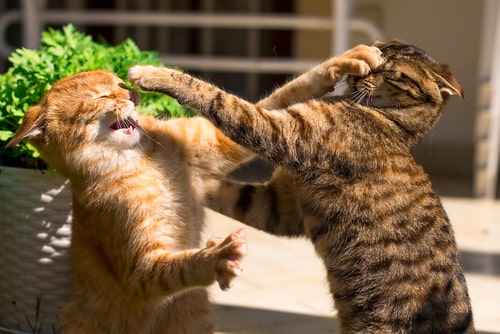
This could be unneutered males competing for a mate, or any neighbourhood cats sharing their territory. Fights can cause scratch wounds and abscesses and often happen at night.
Between cats indoors
Cats are solitary creatures, so sharing their territory and resources can be hard for them. This includes sharing areas to rest, litter trays, food and water bowls. Signs can be subtle such as hard stares, or avoiding each other or more obvious aggression can occur.
Fear or defensive aggression
This is a common cause of aggression. Cats are easily stressed by changes in their environment. Common environmental changes that could induce stress or fear include:
House move or building work
New baby, pet or family member
Cats in the neighbourhood scaring them or causing conflict
Visitors or owners going away
Lack of resources such as litter trays, toys and hiding places
Noisy events such as fireworks
Travelling or trips to the vet
Play or predatory aggression
Younger cats are more likely to display play behaviour, such as chasing and pouncing. Cats are naturally hunters and this prey drive can be seen as aggressive behaviour, especially when attacking their owners hands or ankles as they are walking past.
Redirected aggression
This occurs when a cat is reacting to something else such as a cat outdoors or loud noise. The aggression is redirected to another target such as the owner and can be a dramatic response such as attacking and biting.
Territorial aggression
Cats like to have set territories that they mark. If a visitor or other animal enters this territory they can feel threatened or fearful and respond aggressively.
Petting induced aggression
Some cats will suddenly react when being stroked or petted. This might be unpredictable or after a period of time being petted. Cats that are in pain may also react aggressively when petted.
Maternal aggression
This is a natural response for a mother protecting her kittens. She may react aggressively if approached or her kittens are interfered with.
How to know why your cat is aggressive
Cats are mysterious animals and sometimes the reason is not obvious. If the aggression started suddenly alongside other symptoms, medical causes are more likely. It’s helpful to know what triggers the aggression and observe the cat's body language to understand what’s causing them to react. This includes their body posture, eyes, ears and tail. Take video footage if you can. This will help the vet and behaviourist understand how they are feeling and the best way to help.
When cats react to something they can act defensively or offensively. Defensive behaviour is often due to fear and can lead to offensive behaviour. When cats are scared of something, they will often try to escape the situation. If they aren’t able to get space away from the scary thing, they may resort to fighting to create more space. A fearful or stressed cat may show behaviours such as hiding more, house soiling, off food and overgrooming.
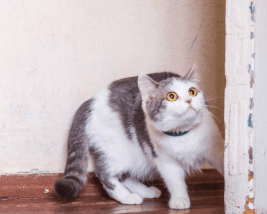
Fearful or defensive body language
Freezing, tense body
Cowering or low body posture
Tail down or close to the body
Wide eyes and pupils
Licking lips and swallowing
Offensive body language
Back arching
Tail help up
Hair puffed up
Yowling, hissing and spitting
Growling
Swiping and scratching
Attacking and biting
Offensive behaviour may be directed at people, other animals, or cats that have to share their space and resources.
Speak to a vet straight away if you notice any of these signs. At Joii, we have a team of vets, nurses and behaviourists that can help.
What to do if your cat is reactive
First of all, get your cat checked over by a vet. They can check for and treat any medical causes or refer you to a qualified behaviourist if needed. If your cat is showing aggression, make sure to give them space. Keep them away from young children, anyone or thing that triggers the aggressive or reactive behaviour.
Tips to stay safe
Avoid situations that trigger the reactive behaviour
Provide them with a safe, quiet area to retreat to
Warn visitors to give your cat space and avoid approaching them
What to do if your cat reacts aggressively
When a cat reacts they are in an aroused state and need time and space to calm down. Don’t try to approach or stop a reactive cat until they have calmed down. Give them space in a quiet room with bedding, food, water and litter tray to calm down. If you get scratched or bitten it’s a good idea to wash the wounds and seek medical advice, as these can get infected.
How do I stop my cat being reactive?
Specific treatment depends on the underlying cause. Once medical causes have been checked and treated, the vet can refer you to a qualified behaviourist for a behaviour modification plan to help. This will usually include changes in the home environment. Some cats need behaviour-modifying drugs from the vets to help them feel calmer.
How do I find a qualified behaviourist?
Your vet or online Joii vets can refer you to a qualified accredited behaviourist. It is extremely important to find someone qualified, who uses kind, ethical and up-to-date techniques.
Beware of people practicing as behaviourists that aren’t suitably qualified, or use out-dated harmful methods. Organisations such as the ABTC (Animal Behaviour and Training Council) and FAB (Fellowship of Animal Behaviour Clinicians) also have a list of qualified behaviourists in your area.
How to help at home
Getting the home environment and routine right will help your cat relax and reduce stress, fear and reactive behaviour.
Home changes to reduce stress
Make sure they have plenty of quiet, cosy, warm areas to rest and hide - ideally high up.
Keep resources including litter trays, food and water bowls separate in quiet, accessible places.
Ensure multi-cat households have one resource per cat, plus one more (so a house with 2 cats, needs 3 litter trays).
Keep feeding and routines as consistent as possible.
Use a microchip cat flap to avoid intruders.
Consider keeping your cat indoors at night if fighting outdoors at night-time.
Rotate and vary toys to keep interest e.g. feather chase toys on a string and puzzle toys for hiding treats.
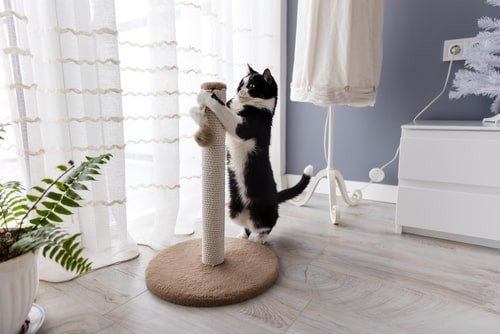
Use climbing trees and scratch posts for natural exploring and scratching behaviour.
Keep new pets separate and introduce them gradually with advice from a behaviourist.
Calming diffusers and products
Calming diffusers and supplements can help. Use alongside changes in the home and a behaviour plan for the best results. Try plugging in a calming diffuser near where your cat likes to rest, especially before a change or event.
The Feliway Optimum or Pet Remedy diffusers release calming messages to help relax your cat. These also come in sprays to use in the cat carrier for travelling. Follow the instructions to use safely and effectively.
There are many calming supplements on the market with variable effectiveness. ‘Zylkene’ and ‘Yumove calming care’ are supplements proven to reduce stress and anxiety. Speak to a vet before starting these as they shouldn’t be given with some medications.
Speak to our Joii vets and nurses through the Joii app for advice on the best calming products for your cat.
What not to do when your cat reacts
Avoid punishment or rough handling as this can lead to fear, anxiety and aggression.
Never use disruptive methods such as shock collars or sprays as this can make things worse.
Avoid playing with cats with your hands or feet as targets for attacks, redirect onto toys instead.
When is reactivity normal in cats?
There are some situations where cats look like they're reacting but it’s actually normal behaviour. Observing their body language and getting to know the early warning signs when your cat isn’t feeling comfortable is key.
Playing
Young cats especially love to play. This is due to a natural prey drive. However, play behaviour can look similar to aggressive behaviour. Older cats are less likely to want to play, especially if they have arthritis, pain or problems that can lower their tolerance threshold.
Kitten biting
Kittens love to chase, pounce and explore the world with their mouths. This can be directed at owners' hands, legs, other pets and furniture. Teaching your kitten to redirect the biting onto appropriate toys can help. Speak to a Joii vet nurse for more advice on this.
How do I prevent my cat from being reactive?
Lack of early or appropriate socialisation to new people, animals, places and things can cause cats to fear these things when they are older. Early and appropriate socialisation as a kitten can help. This starts as early as 4 weeks old with the breeder.
Try and expose them to a variety of positive experiences. It’s important not to ‘flood’ your kitten though, as this can make them fearful. Instead allow them to approach new people, pets or things at their own pace and keep sessions short and sweet.
Our friendly Joii nurses can help with training tips and anything kitten related.
When to worry
Changes in behaviour happen for a reason so it’s always a good idea to have your cat checked by a vet. This is especially important if the behaviour changes are sudden, alongside other symptoms or your cat is acting unwell. Pain is one of the major causes of behaviour changes and the signs can be subtle.
Common signs of pain include:
Quieter or depressed
Vocalising more
Reacting to being touched or moved
Hunched, tense or change in posture
Limping, stiff or slowing down
Less keen to exercise, play, jump or climb
Hiding or avoiding interactions
Eating less or going off food
Overgrooming or grooming less
If you are concerned about your cat’s behaviour or symptoms, speak to one of our Joii vets. They can assess your cat and let you know the best way to help.


