


Blocked bladder in cats

What to do
Causes
When to worry
Prevention
Symptoms
How to help at home
Vet treatment
Risk
Other causes

Blocked bladder in cats
A blocked bladder means your cat can’t pee or can only pass a dribble of urine or blood. About 5% of cats get some sort of urinary tract problem during their lives. But young, neutered (castrated) male cats who live indoors are most at risk of a blocked bladder. A blocked bladder is a life-threatening emergency; call a vet immediately if your cat is showing signs of distress or inability to urinate.
The bladder is part of the body’s waste-disposal system. It removes harmful waste products from inside your cat's body. If your cat can't pee, toxic waste builds up inside their body, making them very sick very quickly. Cats become severely ill within a few hours of developing a blocked bladder, and will not survive more than a few days without treatment. Around 10% of cat emergencies and specialist cases are male cats with blocked bladders. The outlook is best when the problem is quickly identified and treated.
What to do if your cat has a blocked bladder
A blocked bladder is a veterinary emergency!
Call your nearest vet if your cat can’t pass any pee or is taking longer to pee than normal.
Common causes of a blocked bladder in cats
A blocked bladder means pee can’t pass through the urethra. This is the tube that carries urine from the bladder to outside the body. Anything which narrows the urethra can cause a blocked bladder.
This includes:
Mucus and debris: cells, fat, waste sludge
Crystals or stones formed from chemicals and minerals in the urine
Inflammation and scarring from previous damage
Muscle spasm: the muscles surrounding the urethra contract, possibly triggered by stress
-
Cancer

The anatomy of a cats bladder
Should you be worried about a blocked bladder in cats?
A blocked bladder is a veterinary emergency that can be fatal.
Call a vet immediately if your cat is showing these symptoms:
Straining and not passing any urine or just dribbles
Constant trips to the litter tray
Crying when using the litter tray
A tense, painful tummy
Joii can help with advice on:
Recognising signs of a blocked bladder or urinary tract disorder
Occasional peeing outside the box
Optimising your cats water intake
Feeding the best diet for your cat’s needs
Keeping your cat active and stimulated
Managing stress in cats
Prevention tips to reduce the risk of a blocked bladder in cats
-
Ensure your cat drinks as much as possible
Make fresh water readily available whether that's in bowls, water fountains, dripping taps or human tumblers - cats do have their preferences!
-
Feed indoor cats wet food, unless it’s a diet specifically for bladder health
Add water or salt-free stock to any food to increase water content.
-
Keep your cat active and slim
Feed a healthy well-balanced diet.
Provide toys and climbing trees for indoor cats for exercise and brain stimulation.
-
Minimise stress. In some cats, stress causes urethral muscle spasm which leads to blocked bladder symptoms
Keep to feeding and household routines where possible.
Provide your cat with a safe place to hide away from visitors, new puppies or kittens, young children etc.
Use calming diffusers or supplements to help your cat cope with changes.


How to tell if your cat has a blocked bladder
A blocked bladder results in toxins building up inside your cat’s body. Symptoms include:
Warning signs of blockage include:
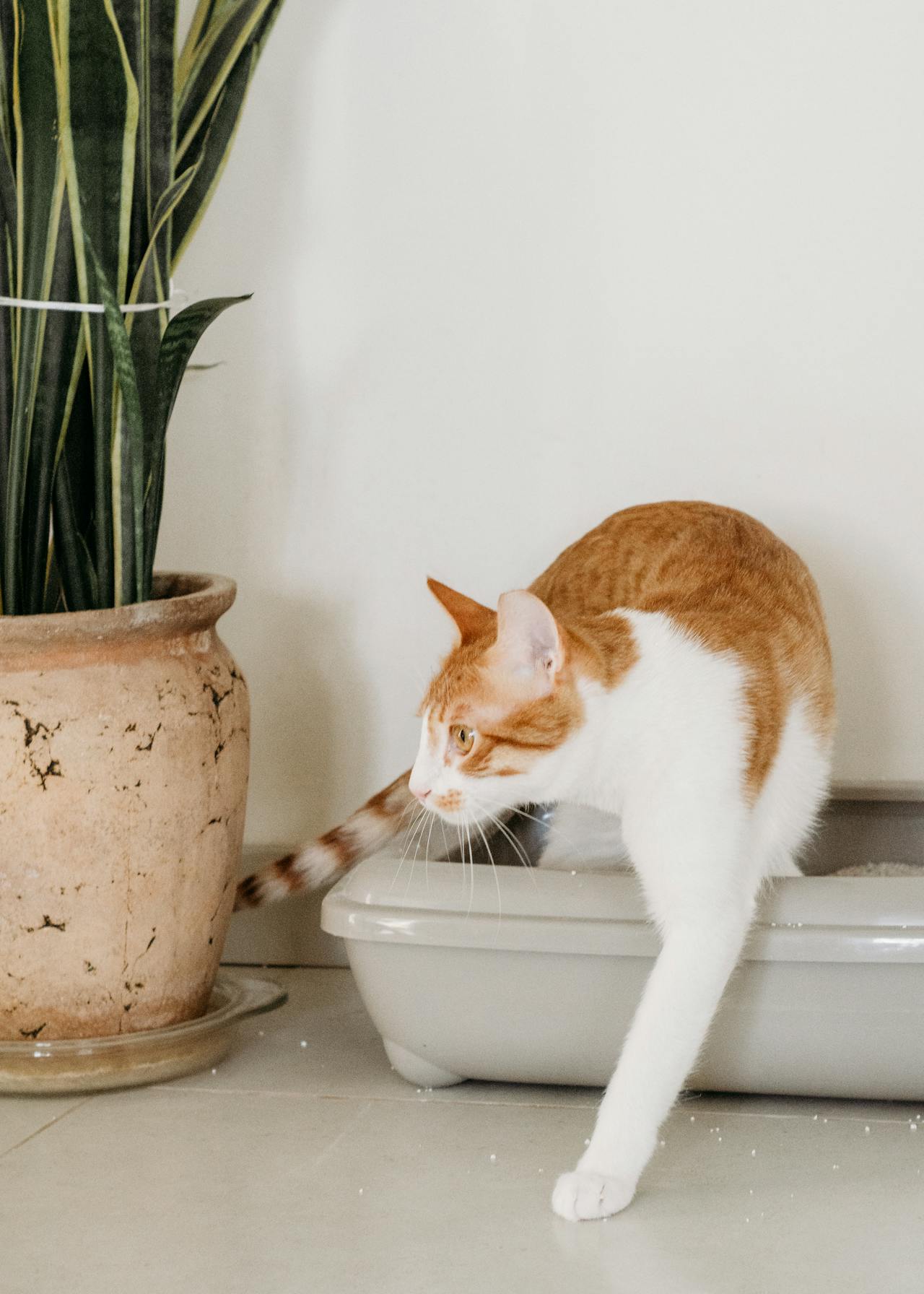
Making repeated visits to the litter tray
Straining and yowling when trying to pee
Peeing small amounts, sometimes in unusual places
Swollen or painful tummy
The problem will be harder to spot in cats who pee and poo outdoors! If you notice any of these signs:
Check the litter tray. Is it drier than expected?
Check for spots of urine or blood where your cat has squatted.
Home remedies for blocked bladder in cats?
There are no home remedies for a blocked bladder. Call a vet without delay if your cat can't pass any urine.
To reduce the risk of recurrence:
Complete the full course of any prescribed medication to ensure effective treatment
Increase water intake by changing gradually from a dry to a wet diet, or ask your vet for about urinary health diets
Add water to food
Reduce stress in the home
Feed a urinary supplement to improve bladder health
Veterinary treatment for a blocked bladder
If your cat has a blocked bladder, they need emergency care. This may include:
-
Placing a catheter into a vein on your cats leg
Giving fluids to correct dehydration and improve circulation to vital organs like the heart
Correcting salt imbalances in the blood
Giving pain relief
Giving sedative or anaesthetic medicine to relax your cat or make them sleep
-
Unblocking the bladder
Carefully passing a urinary catheter until it reaches the bladder or stops at the blockage
Gently flushing sterile saline (salt solution) through the catheter to break down or move the blockage
Draining the bladder completely to give your cat immediate relief
Flushing the bladder and urethra clean with sterile saline
Stitching the catheter in place if there is a risk of rapid reblock
Occasionally cats need surgery to relieve the blockage from the inside
-
Ongoing treatment
Hospitalisation to continue medical treatment and catheter care
Treatments to relieve muscle spasm
Diagnosis at the vet clinic
Your vet will carry out some tests to decide about ongoing treatment:
Urine sample analysis: checking for crystals, bacteria, abnormal cells
Bacterial culture: urine sample and urethral plug (the blockage)
Checking for infection and the right antibiotic for treatment
Ongoing treatment at home
Depending on test results, this may include:
Painkilling anti-inflammatory medicine
Medication for muscle spasm
Special prescription diet to dissolve crystals or stones
Stress reduction strategies
Cats who have experienced a blockage once are prone to recurrence so prevention strategies are very important. Our Joii Vets are available 24 hours a day if you need any advice.
Are some cats more at risk of getting a blocked bladder?
Physical, lifestyle and emotional factors can all affect your cat's risk of developing a blocked bladder.
These include:
Being male
Being overweight
Living indoors
Eating only dry food
Being stressed or anxious
Other causes
Other possible causes for symptoms that resemble the early stages of blocked or partially blocked bladder include:
Cystitis: repeat visits to the litter tray, yowling, abnormal colour or smell to urine
Constipation: repeated visits to the litter tray, possible vocalising
Lower back arthritis - vocalising due to pain on squatting
Stress: Inappropriate urination (peeing outside the litter tray) can be due to poorly-positioned litter tray, multi-cat household, new neighbours, visitors etc


