


Nail problems in cats

Overview
Symptoms
Risk
Diagnosis
Vet treatment
Home treatment
Prevention
When to worry
Recommended products

Nail problems in cats
Nail problems in cats are common and have many different causes. Most nail problems are straightforward to diagnose and do not need emergency treatment. The prognosis for nail problems is generally good, though some may need life-long treatment.
The most common causes of nail problems are trauma, allergies, and infections. Cats of any age can develop nail problems. Speak to a vet if you have any concerns about your cat's nails.
What are nail problems in cats?
Most cats have five nails on their front feet and four on their back feet. The extra nail that is higher up than the rest is known as the dew claw. Some cats are born with extra toes; we call them polydactyl.

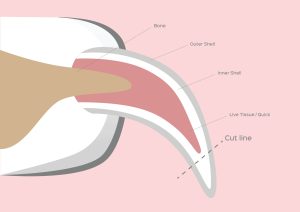
Cat’s nails are different from dogs, as they can retract them into a different position. The nail area consists of the bone, quick, outer shell, and nail bed. The quick is the part with blood and nerve supply. This area is extremely sensitive and often bleeds if damaged. Luckily, the bleeding will usually stop with gentle pressure.
The most common causes of nail problems include:
Broken or torn nails due to trauma
Ingrown nails: this happens when the nail curls around on itself and starts to grow into the paw pad
-
Infection, usually bacterial or fungal
Immune-mediated disease: when the body’s own immune system starts to attack healthy cells. Pemphigus foliaceus is the most common auto-immune problem that affects the nails of cats. The main sign is crusting at the nail bed.
Allergies, food and environmental
Nutritional problems, such as a zinc deficiency
Tumours: the most common are squamous cell carcinoma, melanoma, and mast cell tumours.
Some causes of nail problems are mild and easy to treat from home, whereas others may need short-term prescription medication or life-long treatment. Speak to a vet if your cat shows any symptoms of nail disease. Our Joii vets are available 24 hours a day for advice.
Symptoms of nail problems in cats
Signs of nail problems in cats may include one or more of the following:
Limping and difficulty walking
Licking, chewing or biting at the nail or paw
Pain around the nail or paw
Discharge, such as pus or blood around the nail
Swelling or redness around the nail bed or paw
Broken, thickened or misshapen nails
Nails that are brittle and break easily
Changes to the colour of the nail
Are some cats more at risk of nail problems than others?
Nail problems can happen to any cat, regardless of age, breed, or lifestyle. However, there are risk factors for some of the causes:
Very active and outdoor cats are more likely to get torn or broken nails.
Less active and older cats are more prone to ingrown nails.
Older cats are more at risk of tumours
How are nail problems diagnosed in cats?
The first step in diagnosing nail problems in cats is to have a full clinical exam with a veterinarian. It is important to determine what the next step is and whether medication or further testing are needed.
Further tests include:
Examination under sedation or general anaesthesia
Skin or nail scrapes to check for parasites or fungal infections
Samples of any discharge for culture or cytology
Biopsy of the nail or skin around it
Investigations into allergies, such as a diet trial or intradermal skin testing
Blood tests to check for underlying diseases such as diabetes or kidney disease
Imaging, such as x-rays or CT. This is often the case if a tumour is suspected, to check for spread.
What’s the treatment for nail problems in cats?
Broken nails due to trauma can sometimes be treated from home.
Vet treatments may include one or more of the following:
Clipping or removing the damaged nail, usually under sedation
Cleaning wounds
Antimicrobials, such as antibiotics or antifungal medication
Anti-inflammatory medication
Bandaging the paw
Surgery, such as toe amputation, if a tumour is involved
Specific treatment for underlying diseases such as immune-mediated conditions, allergies, or diabetes. Further treatments, such as chemotherapy or radiation, may be possible for tumours.
How to look after a cat with nail problems at home
Broken nails can often be treated from home if:
The nail has come off on its own
There is no sign of infection or pain
It’s always best to speak with a vet to decide if this is in the best interest of your cat and discuss how to keep the area clean.
Prevent your cat from biting or licking the nail area by using a buster collar or pet boot
Allow your cat to rest until the symptoms improve
Make sure to keep the affected area clean and dry at all times
Give any medication as prescribed by your vet
Supplements such as omega oils or vitamins may be recommended
Topical disinfectants, such as foam or wipes may be used for mild infections
Tips on how to prevent nail problems in cats
Keep your cat's nails at the appropriate length. This may involve regular trips to get them trimmed by a professional.
Make sure your cat is on a complete diet to avoid deficiencies of essential vitamins and minerals
Avoid trimming your cat's nails yourself unless you have been shown by a vet or nurse how to do it correctly
Check your cat's paws and nails regularly, at least 1-2 times per week, for any abnormalities. It’s important to get them used to this when they are younger.
Keep your cat up-to-date with regular parasite preventatives
Keep your cat at a healthy body condition
Are my family at risk of catching nail problems from my cat?
Of the most common types of nail problems listed above, the only one that can be transferred from cats to humans is ringworm. If your cat has been diagnosed with ringworm, your vet and GP will be able to guide you on how to prevent its spread.
When you should be worried about nail problems in cats
Seek help from a vet if:
Your cat has pus around the nail
Your cat develops a lump on their toe
Your cat’s nails are falling out
Your cat is in pain
Call us and speak to one of our Joii vets if:
Your cat has torn their nail and you are unsure what to do next
You have any questions about clipping your cat’s nails
You have any questions about your cat’s nutrition
Recommended products


