Shivering, Shaking or Trembling in Cats


What to do
Causes
When to worry
Prevention
Home care
Vet treatment
Risk
Other causes


Explore our vet recommended products
Shop now
Shivering, shaking or trembling in cats can happen for a variety of reasons. Some are mild, such as when they’re feeling cold or if they’re excited. But sometimes it happens because of illness, pain or stress. Cats of any age, sex or breed may shiver at times.
Just like in dogs, shivering in cats is caused by very fast cycles of muscle contraction and relaxation. This can generate warmth, show emotional arousal or signal an underlying medical problem. Cats will often hide discomfort, so shivering can be an early clue that something isn’t right. If your cat is trembling for no obvious reason, it’s important to speak with a vet.
What to do if your cat is shivering or trembling
If your cat is shaking or trembling, here are the first things to check:
Check their body temperature: Feel their tummy, ears and paws. These should feel warm, not cool. Cats who’re feeling cold may curl up tightly, seek out warm places or tremble even when resting.
Check whether they have eaten: Cats can tremble when they’re hungry or if their blood sugar is low.
Check for toxins or unsafe foods: Could your cat have had access to lilies, human medication, rat bait, chocolate, household cleaners or antifreeze?
Check their behaviour and movement: Are they limping, showing signs of tummy discomfort or stiffness, or hiding?
Call a vet if shivering continues or has no clear and simple cause.
Mild trembling when dreaming or excited is usually harmless. Speak to our Joii team to find out if you need to book a vet visit.
Common causes of shivering in cats
Trembling or shaking isn’t something your cat can consciously control. It happens when groups of muscles tighten and relax rapidly.
Common causes include:
Feeling cold: Shivering helps to generate heat.
Feeling excited or stimulated: Excitement, feeling playful or anticipating the arrival of food.
Feeling anxious or stressed: Due to household changes, vet visits, loud noises (fireworks, storms), or conflict with other animals (including housemates).
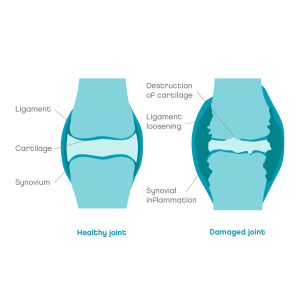
Being in pain: Cats often hide pain, but shivering may accompany arthritis, dental pain, tummy pain, injuries, or urinary tract problems (including cystitis).
Being in shock: Due to severe injury, other signs might include heavy bleeding, weakness and collapse.
Having an illness, infection or fever: Infections (viral or bacterial), liver or kidney disease, pancreatitis, electrolyte (salt) imbalances, or low blood sugar.
Toxins: After eating or licking lilies, antifreeze, human medicines (especially antidepressants, painkillers, ADHD meds), rat poison, chocolate, or essential oils.
Neurological problems: Including epilepsy, brain infection or inflammation, nerve or spinal disease.
Cats are experts at hiding illness. New or persistent trembling is a sign that should never be ignored. Call a vet immediately if you suspect your cat has been exposed to anything toxic or harmful.
When to worry about shivering or trembling in cats
Seek emergency vet care if your cat is shivering and:
Restless, agitated, cannot get comfortable or unable to pass urine
Developing a swollen or painful tummy
Becoming weak, unstable, unable to walk or collapsed
May have eaten something toxic
Panting or open-mouth breathing (abnormal for cats)
Retching repeatedly or trying to vomit
Joii can help with
Understanding why your cat is shivering
Advice on keeping cats warm and comfortable
Guidance on kitten care, nutrition and parasite prevention
Support for anxious or stressed cats
Advice on monitoring symptoms and knowing when to see a vet
Tips for preventing shivering in cats
Ways to reduce preventable causes of shivering:
Keep your cat warm: Provide a warm bed in a draft-free area. Use soft jumpers to keep hairless or elderly cats warm.
Reduce stress or anxiety: Keep to regular routines, minimise exposure to known stressors, use calming diffusers or sprays, and create safe, quiet spaces for hiding.
Prevent exposure to toxins: Keep household chemicals, human medications and toxic plants out of reach and contact with cats. Never apply human creams, essential oils or dog flea treatments to your cat.
Stay up-to-date with regular preventive care: Annual health checks, routine vaccinations and parasite control.
Identify and treat suspected health problems promptly.
Home remedies for shivering in cats
If you’re not sure whether the shaking is normal or a sign of illness, it’s always best to speak to a vet.
Keep your cat warm: Make sure they have a warm room, provide blankets, and ensure bedding is dry and comfortable.
Minimise stress: Let them hide if they want to, don’t force interaction. Use pheromone diffusers for anxious cats and try to keep their routines and environment stable.
Review diet and feeding patterns: Ensure their diet is appropriate for their age, lifestyle, and general health and avoid making sudden changes.
Seek help from a vet if shivering is unexplained, persistent or accompanied by other symptoms.
Vet treatment for shivering in cats
If warmth, rest and reassurance don’t resolve the shaking, your cat will need to see a vet. After taking a history and a full physical exam, your vet may advise further tests:
Blood tests: checking organ function, salt balance, infection or inflammation
Urine testing: assessing kidneys, glucose levels and infection
Neurological examination: checking reflexes, awareness and coordination
Imaging: X-rays, ultrasound, CT or MRI, depending on suspected cause
Toxin screening: if exposure to a measurable toxin is suspected
Specific treatments may include:
Painkillers (where indicated)
Intravenous fluids (including glucose for low blood sugar)
Inducing vomiting (only when safe) if something harmful or toxic has been consumed very recently: generally within 1-2 hours
Medication for tremors or seizures
Antibiotics for confirmed bacterial infections
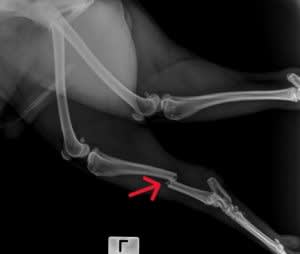
Emergency surgery for conditions like intestinal obstruction, blocked bladder or broken limbs
Which cats are most likely to shiver or tremble?
Some cats may be more likely to shiver due to their age, health concerns or breed:
Kittens: immature temperature control
Elderly cats: due to weight loss, arthritis, sparse or poor coat
Hairless breeds: Sphynx, Peterbald
Thin or malnourished cats
Cats with chronic illnesses: kidney disease, diabetes, hyperthyroidism
Outdoor cats who are exposed to cold and wet environments
Cats that scavenge or hunt are more likely to ingest toxins or spoiled food
What else can look like shivering or tremors?
Dreaming: Cats often twitch, tremble or “run” in their sleep.
Drying off: A wet cat may shake vigorously to remove water, similar to dogs, though usually less dramatic.
Purring or quivering with excitement: when purring intensely, greeting owners, or scent-marking.
Shivering before vomiting or a hairball.
Last updated