


Ticks in cats

What to do
Causes
When to worry
Prevention
Recommended Products
What to look out for
Home Treatment
Vet treatment
Risk

Ticks in cats
Ticks are small parasites that feed on the blood of animals, including cats and people. The 'Big Tick Project' identified ticks on 6.6% of all cats visiting vet practices in the UK. Cats of any age or breed can get tick bites, but cats who go outdoors are at most risk. Ticks can spread a serious illness called Lyme disease.
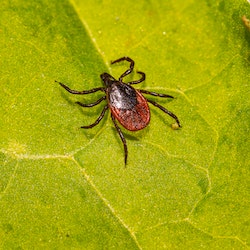
Ticks are the size of tiny seeds when they first latch on to your cat. They stay attached to grow and feed for up to 5 days. Ticks can transfer disease by passing infections between animals when they feed on their blood. They have 8 legs and look a bit like spiders. Lyme disease is the most serious disease spread by ticks in the UK. However, Lyme disease is still very rare in cats and much rarer than in dogs. Irritation or infection at the site of a tick bite is a much more common problem.
What to do if your cat has a tick >What to do if your cat has a tick [What to doHow cats get ticks >How cats get ticks [CausesWhen to worry about your cat having ticks >When to worry about your cat having ticks [When to worryTips on how to prevent your cat from getting ticks >Tips on how to prevent your cat from getting ticks [PreventionRecommended Products
When to worry about your cat having ticks >When to worry about your cat having ticks [When to worryTips on how to prevent your cat from getting ticks >Tips on how to prevent your cat from getting ticks [PreventionRecommended Products
Recommended Products


Things to look out for >Things to look out for [What to look out forHome remedies to deal with ticks on your cat >Home remedies to deal with ticks on your cat [Home TreatmentVet treatment for ticks in cats >Vet treatment for ticks in cats [Vet treatmentCats at higher risk of getting ticks >Cats at higher risk of getting ticks [Risk
Vet treatment for ticks in cats >Vet treatment for ticks in cats [Vet treatmentCats at higher risk of getting ticks >Cats at higher risk of getting ticks [Risk


