


Nicotine poisoning in dogs

Overview
Symptoms
Risk
Diagnosis
Vet treatment
Home treatment
Prevention
When to worry

Nicotine poisoning in dogs
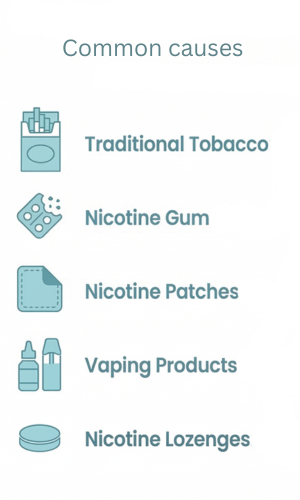
Nicotine poisoning in dogs can be very dangerous. It can develop when dogs ingest things like cigarettes, nicotine patches, nicotine gums, chewing tobacco or e-cigarette liquid. This intoxication develops very quickly, so it’s essential to speak to a vet straight away if you think your dog has ingested any products or objects containing nicotine.
Signs of intoxication develop within one hour, often as fast as 15 minutes. Vomiting is usually the first symptom. This often helps eliminate some of the nicotine and prevents further issues. In severe cases, nicotine goes on to affect the brain, nervous system and sometimes the heart. Most dogs that survive the first 4 hours go on to make a full recovery, but this intoxication can be fatal. Getting your dog to a vet to start decontamination treatment as soon as possible is essential.
What causes nicotine poisoning in dogs?
Nicotine is poorly absorbed from the stomach, but is very quickly absorbed into the bloodstream once it reaches the intestines.
Liquid forms and nicotine gums are especially easy to absorb, but even cigarette butts can be dangerous to small dogs.
Flavoured products are especially likely to be ingested in large amounts. Some products may also contain dangerous sweeteners (xylitol).
-
Once in the body, nicotine starts interfering with nerve function:
Initially, nicotine works as a stimulant, causing anxious behaviour, faster breathing and increased heart rate.
In more severe cases, the nervous symptoms start getting blocked, causing abnormal movement, lethargic behaviour, seizures and possibly coma.
The heart rhythm is also affected in severe cases, causing arrhythmias that may lead to other heart problems.
Symptoms of nicotine poisoning in dogs
Agitation or anxiety
Uncontrolled shaking and trembling
Fast and shallow breathing
Fast heart rate
Incoordination and trouble walking
Weakness, lethargy or dull behaviour
Abnormal heart rhythm
Coma
Dogs at higher risk of nicotine poisoning
Intoxication can affect dogs of any age, but younger dogs are more likely to eat inappropriate things.
Small dogs are more likely to ingest enough of a product to become seriously intoxicated.
Dogs with a tendency for destructive behaviour when alone are more likely to chew or eat inappropriate things.
The more exposure a dog has to nicotine-containing products, the higher the risk of an accident.
How do vets diagnose nicotine poisoning in dogs?
In many cases, there will be recognisable material in the vomit (like packaging or cigarette butts), or there will be a distinct smell (tobacco or flavourings).
In cases where the ingestion is not known, the symptoms can help, but many other common toxins produce similar symptoms. Fortunately, the treatment plan is very similar in most instances.
Specialist lab tests can measure the levels of nicotine in the blood, but in most cases, these take too long.
The level of nicotine can also be measured in vomit samples, but this doesn’t always reflect absorption into the body.
Veterinary treatment of nicotine poisoning in dogs
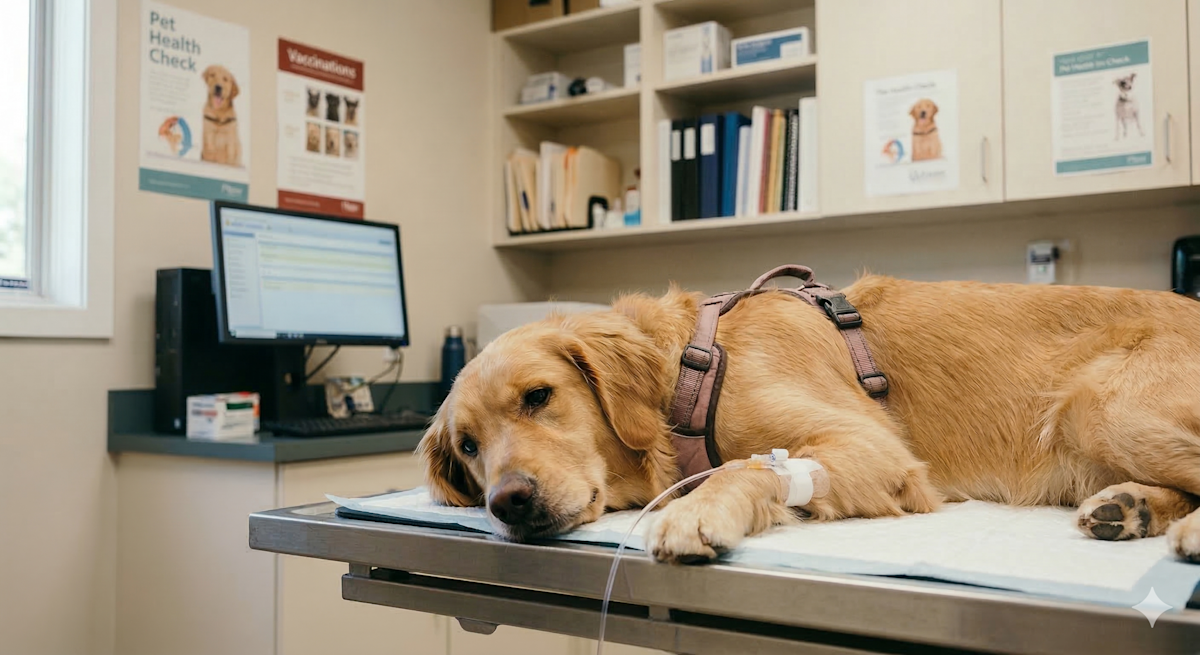
The first and most important step in treating intoxication is stopping the poison from entering the blood and organs. If nicotine ingestion is suspected, take your dog to see a vet immediately so the stomach can be emptied as quickly as possible, ideally within 30 minutes. This can be safely done with an injection or by pumping the stomach under anaesthesia.
The vet will also administer activated charcoal every few hours to prevent absorption of any product still in the gut.
-
Other treatments will be focused on managing the symptoms of intoxication, to give the body a chance to eliminate the toxin.
Intravenous fluids to prevent dehydration and maintain blood pressure
Anti-epileptic medications (diazepam, phenobarbital, midazolam) to manage tremors and seizures
The heart rhythm will be carefully monitored, and anti-arrhythmia medication will be administered if a problem is detected
Home treatment of nicotine poisoning in dogs
Always contact a vet for advice immediately if you think your pet has ingested a nicotine-containing product. Rapid decontamination is almost always the best option. Additionally, many of the consequences of intoxication are not visible, such as heart problems. A detailed examination and close monitoring are crucial.
Prevention of nicotine poisoning in dogs
Make sure any nicotine-containing products are safely stored and out of reach of your dog. This is especially important for flavoured products like nicotine gums and e-cigarette liquids.
Keep a close eye on your dog when outside, and make sure there is nothing dangerous around before letting them roam.
Living with nicotine poisoning in dogs
Most dogs that survive the first 4 hours will recover fully from nicotine poisoning within 24 hours. Lingering effects are very rare.
When to worry about nicotine poisoning in dogs
Always speak to a vet immediately if you suspect your dog has ingested nicotine products, so the risk can be assessed and treatment advice given. If your dog develops any of the following symptoms, see a vet as soon as possible:
Severe vomiting or drooling
Constant shaking or trembling
Wobbliness or seizures
Weakness or collapse
Excessive panting or shallow breathing


