5 Dog Emergencies: How to Know What’s Urgent and What to Do

Is this an emergency?
Can't breathe or collapse
Eaten something
Accident or bleeding
Vomiting or diarrhoea
Seizures
Final Guidance for Pet Owners
How to contact an emergency vet

5 Dog Emergencies: How to Know What’s Urgent and What to Do
It’s 10 o'clock on Sunday night. You're shattered after a long and stressful shift at work.
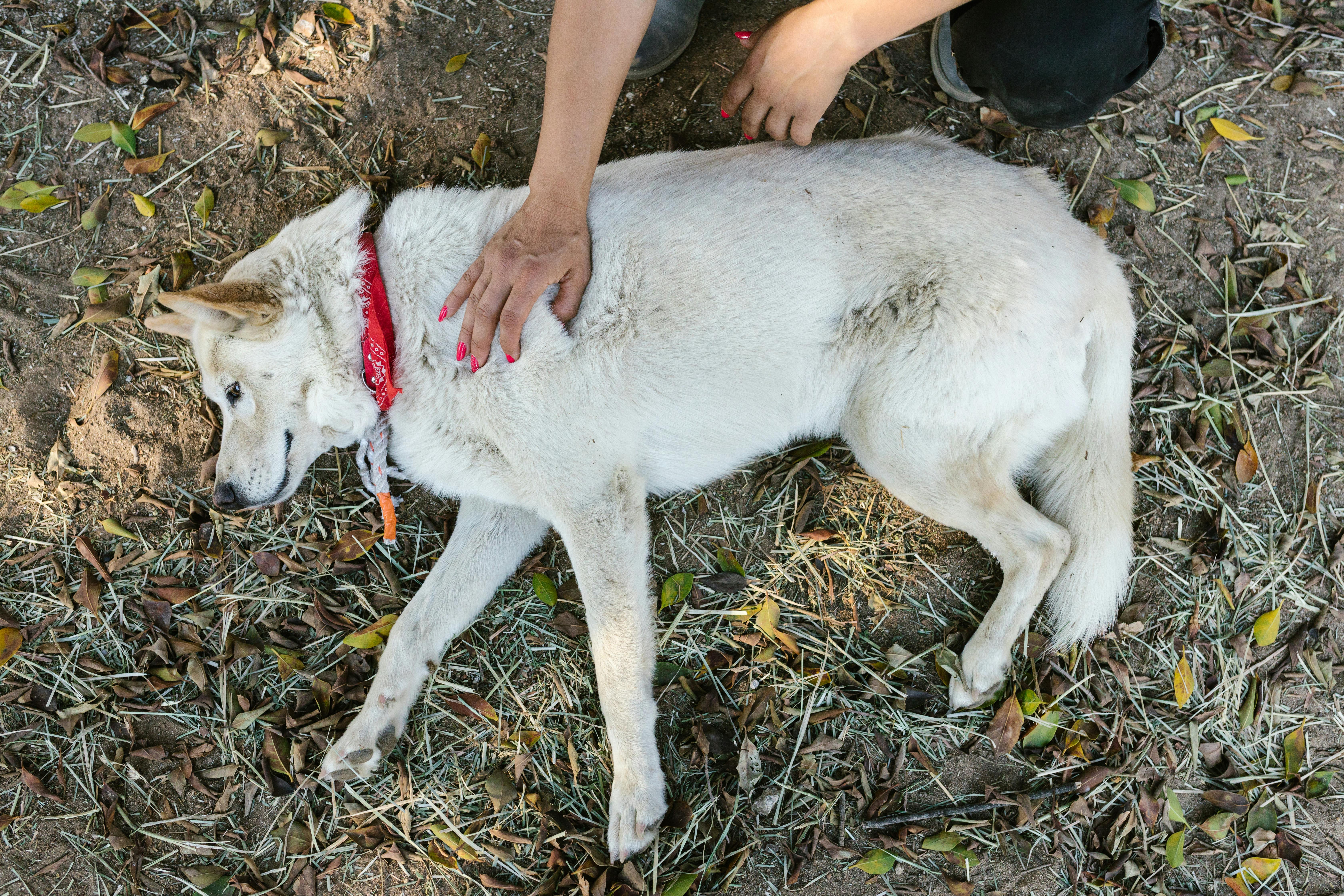
Oddly, the dog hasn’t come to greet you in their usual madcap way. In fact. They haven’t even woken up. Something’s wrong.
But is it an emergency?
Emergencies are something no owner wants to face. But they can happen - and one thing is guaranteed - there’s never a ‘good’ time!
Can it wait until morning?
There are some situations you know are urgent - serious road accidents, broken legs, choking. But other times things are less clear, and you may be uncertain whether or how soon to seek help from a vet.
This guide takes a look at the most common types of emergency, how to recognise what they mean and what to do if your dog needs urgent veterinary care.

Is this an emergency?
Always take it seriously if your dog is in pain, severe distress or starts behaving very differently from normal.
Find the nearest vet if your dog:
Is choking or having difficulty breathing
Has collapsed or isn’t responding to you
Can't walk or their limb is at an unusual angle
Develops a tense bloated abdomen, with restlessness and repeated retching
Has a seizure of over 3 minutes, even if it stops
Is bleeding heavily and/or it’s not stopping
Develops signs of poisoning or exposure to something toxic or harmful
Is in extreme pain, restless or distressed
It’s always safest to check with a vet if you're unsure. Things can change very quickly and prompt action can be life-saving.
A simple but essential tip:
Make a note of your vet’s contact details, including the address and telephone number for out-of-hours emergencies.
Keep these somewhere easy to find: on your mobile, stored on a landline phone, written down on paper, pinned to the fridge!
Be sure to share the information with petsitters, family members, kennels - anyone who may look after your dog.
My dog can’t breathe or has collapsed
The Red Flags: Find your nearest vet
Your dog’s:
Not breathing (no rise and fall of their chest)
Developing blue or white gums
Cold to touch
Not moving, collapsed or unresponsive
Has severely swollen lips/tongue/face, hives or other evidence of anaphylaxis
Has signs of heat stroke
Amber warnings: See a vet the same day
Breathing more noisily and/or faster than normal
Dull and quiet, but their gums are still pink
Not eating
Green: Worth getting advice from a vet
What to do next
Keep your dog as calm and quiet as possible and avoid moving them unnecessarily while you’re arranging help. Staying calm yourself can be the hardest part, but it’s the best way to help your dog.
My dog has eaten something they shouldn’t have
The Red Flags: Find your nearest vet
Your dog’s:
Eaten, or you think they’ve eaten, a known poison or harmful substance. For example, rat bait, bleach, antifreeze, dark chocolate, slug bait, grapes/raisins/sultanas, human vitamin D supplements, or any object with a battery.
Choking on whatever they’ve tried to eat.
Swallowed something likely to cause a blockage in their stomach or intestines.
Swallowed a bee or wasp and now has a swollen face or breathing difficulties.
Amber warnings: See a vet the same day
Your dog has persistent sickness and diarrhoea after a suspected ‘dietary indiscretion’
Is drooling more than normal
Develops a mild allergic reaction - such as hives
Green: Worth getting advice from a vet
Your dog keeps on eating poo (their own or other dogs’), earth, grass or other non-food items
Seems abnormally hungry
Is passing worms
What to do next
Remove your dog from any risk of further access to anything harmful. Collect evidence (wrappers, photographs) of what they’ve eaten and how much. It’ll also help to know your dog’s weight. Rinse away any contamination on their coat or tongue and offer them small sips of water. Never try to make your dog sick at home - it’s dangerous and can make things worse.
My dog is bleeding or has had an accident
The Red Flags: Find your nearest vet
Your dog is unable to walk or is in severe pain
Unconscious or unresponsive
Has a deep cut or penetrating wound that punctures a lung (frothing blood over a chest wound), or enters their abdomen
Bleeding heavily or lost a lot of blood
Has breathing difficulties, white gums, or weakness
Suffers head trauma, a violent blow or severe eye injury
Severe burns - from a fire, scalding due to boiling water or hot cooking fat
Electrocution from chewing or biting power cables
Amber warnings: See a vet the same day
Your dog’s not bearing any weight on one limb (but is otherwise bright and well)
Has a fall, road accident, deep cut, or a dog bite that breaks the skin - even if they seem okay initially
Milder burns or scalding injuries
Green: Worth getting advice from a vet
If your dog is limping a little after a stumble, twist or fall
Has a minor cut, graze or scratch or a superficial burn
Is bitten by a cat
What to do next
Keep your dog as quiet and still as possible. Restrict them to their bed or crate. Apply gentle pressure with a clean pad to help staunch any bleeding. Keep wounds as clean and dry as possible, but avoid bathing or flushing any wound that may also affect your dog’s chest, abdomen or joints.
My dog’s very sick, has diarrhoea or seems very unwell
The Red Flags: Find your nearest vet
If your dog is dehydrated: has dry gums, is very lethargic, or has collapsed
Seems to be in severe pain: whimpering, unusually reactive, unable to settle
Vomits large amounts of fresh blood
Has a tense or suddenly swollen abdomen
May have eaten something poisonous
Has signs of serious infection or toxic shock: greyish or dark red and congested gums, rapid heart rate, fever, and collapse
Amber warnings: See a vet the same day
Continues to vomit after 24 hours of home management
Stops eating or drinking and is getting progressively worse
Has blood in their diarrhoea. See a vet within 4-6 hours for profuse bloody diarrhoea, sooner if there is also some blood in the vomit.
Has any signs of abdominal discomfort, including the praying position and restlessness
Develops vomiting after swallowing a possible foreign body

Green: Worth getting advice from a vet
Your dog has repeated vomiting and diarrhoea, but is otherwise well
Is not ‘themself’, but you can’t tell what’s wrong
Shows signs of transient tummy discomfort or increased gas
Is sometimes sick on an empty stomach (before breakfast or if dinner’s delayed)
What to do next
Offer your dog small, frequent sips of water and keep them rested. Don’t wait if things get worse - see a vet as soon as possible.
My dog had a seizure or is behaving oddly
The Red Flags: Find your nearest vet
Your dog is having a seizure that’s gone on for more than 3-4 minutes
May have swallowed something toxic or suffered recent head trauma
Is having repeated seizures, without fully recovering in between them
Has severe back or neck pain, can’t use their legs normally or can’t control their bladder
Amber warnings: See a vet the same day
If your dog has a seizure for the first time
Has other chronic health problems as well
Has more than one seizure in 24 hours
Is an older dog who suddenly becomes unable to walk, confused, vomits and has jerky eye movements
Green: Worth getting advice from a vet
If your dog suffers from brief unsteadiness, a head tilt and/or jerky eyes, but is getting progressively better
You notice gradual changes in their habits and behaviour, such as walk preferences, territorial or marking behaviour, and gradual forgetfulness
What to do next
If your dog is having a seizure, keep their surroundings quiet and calm. Reduce the risk of self-injury during seizures by keeping them in one room, clearing the floor and blocking off stairs or sharp edges. Keep children and other pets away.
Final Guidance for Pet Owners
Emergencies happen when we least expect them. They’re never convenient or clear-cut in the stress of the moment.
But knowing what to look out for and how to act helps you prepare for any eventuality. That - and trusting your instincts when something feels like it isn’t right - can make all the difference!
If you're ever unsure, it’s always okay and right to ask. Whether you turn to your own vet or a remote veterinary service, getting advice early is never the wrong decision. With online vet services like Joii, you can reach out to a veterinary professional 24/7 for advice and reassurance whenever you need it.
How to contact an emergency vet
Contact an emergency vet by calling your regular veterinary practice (they provide out-of-hours instructions) or searching online for your nearest 24/7 emergency veterinary clinic and calling them directly.