


Bilious Vomiting Syndrome in Dogs: Why Your ‘Healthy’ Dog Vomits Yellow Bile in the Morning

What is Bilious Vomiting Syndrome?
Causes
Risk
Symptoms
Diagnosis
Treatment
Prognosis
When to Be Concerned
Prevention
Key Takeaway

Bilious Vomiting Syndrome in Dogs: Why Your ‘Healthy’ Dog Vomits Yellow Bile in the Morning
Few things will ruin a morning quite as fast as stepping out of bed into a puddle of yellow vomit - or being woken at 5 am by a retching spaniel. Even more confusing? Your 4-legged furball seems perfectly fine afterwards.
Vomiting up yellow or green fluid (bile) on an empty stomach is the hallmark of Bilious Vomiting Syndrome (BVS), a common and often misunderstood cause of intermittent vomiting in dogs.
The good news? In many cases it’s simple to manage by adjusting meal times - sometimes as simple as adding in a late-night snack (and you’ll rarely get any canine complaints about that!).
This article explains the causes, risks, and treatment options of BVS, helping you to protect your dog, your carpets, and your peace of mind from this alternative canine version of “morning sickness.”
What is Bilious Vomiting Syndrome?
Bile is a digestive fluid that’s produced by the liver and stored in the gallbladder. It’s normally released into the small intestine after your dog eats something, and it helps the body to digest fats.
In dogs with bilious vomiting syndrome (BVS), bile flows from the small intestine backwards into the stomach if they don’t eat anything for a long time. Bile irritates the stomach lining, causing nausea and vomiting. It often happens early in the morning after an overnight fast, especially if their last meal was the previous morning or early afternoon.
In dogs with BVS, their vomit is usually:
Yellow or green
Frothy or watery
Produced when your dog’s stomach is empty
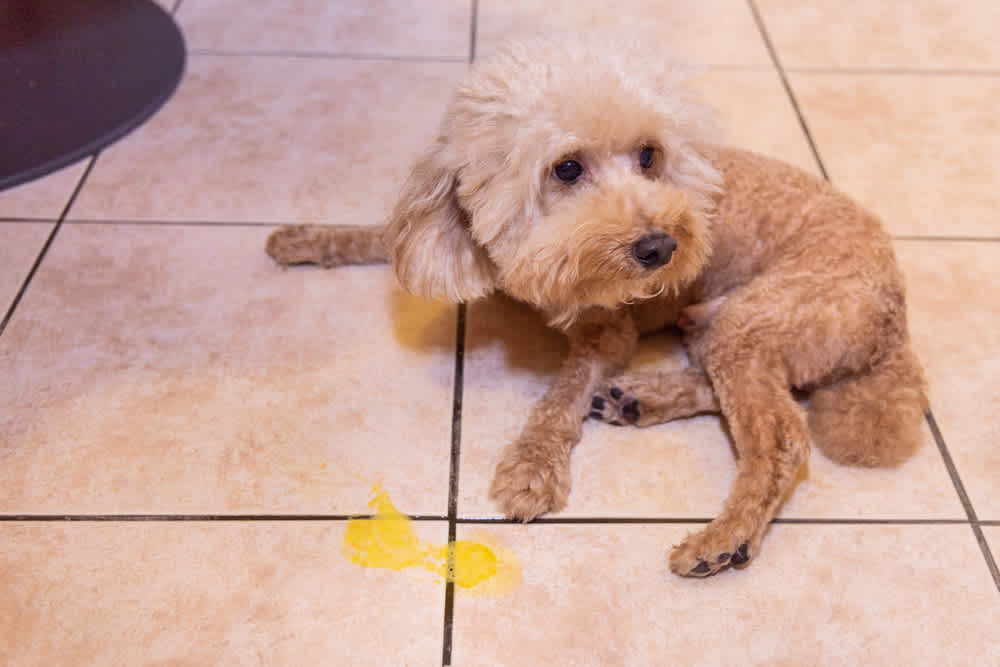
Causes of vomiting bile in dogs
We don’t fully understand BVS and why some dogs vomit yellow froth on an empty tummy. It’s likely to result from a combination of fasting and the way the stomach and intestines contract.
Contributing factors include:
Having too long a gap between meals
Increased irritation of the stomach by gastric acid when it’s empty
Backflow of bile into the stomach
Slower-than-normal stomach emptying or an alteration in the way your dog’s intestines (gut) move
Individual stomach sensitivity to bile
We do know that BVS isn’t caused by infection, parasites or abnormal anatomy.
Which dogs are most at-risk of bilious vomiting syndrome?
BVS can affect any dog, but we see it more commonly in:
Dogs that are fed once daily
Young to middle-aged dogs
Lean, active dogs with fast metabolisms (who burn up food quickly)
Dogs who suffer from sensitive stomachs or mild gastritis
Dogs who have inconsistent feeding routines (Oddly enough, not great for us humans either!)
Symptoms of bilious vomiting in dogs - what to look out for
Common signs of bilious vomiting include:
Vomiting yellow or green fluid, usually first thing in the morning
Vomiting after long periods without food
Nausea: lip licking, drooling, and swallowing repeatedly
Eating grass ‘compulsively’ before vomiting
Maybe being slower to eat in the mornings, but with a normal overall appetite and energy levels between episodes
A key feature of BVS is that dogs appear to be otherwise well, which helps us to differentiate BVS from more serious illnesses.
How do vets diagnose bilious vomiting syndrome?
BVS is (frustratingly) a diagnosis of exclusion, meaning there isn’t a specific test. Rather, we need to rule out other reasons why your dog may be vomiting yellow foam. Your vet will take a full clinical history and look at the pattern of symptoms. They may suggest further tests:
Testing a stool sample: to rule out parasites
Blood tests: checking liver, kidney, and pancreatic function
Imaging (ultrasound or X-rays): where other illnesses might be involved
Response to ‘treatment’: trialling simple changes to feeding patterns, this is often a key diagnostic step
Conditions vets may need to exclude because they can have similar symptoms include:
Because of the overlap in symptoms, affected dogs should be assessed by a vet before we assume it’s BVS.
Treatment of bilious vomiting in dogs
The good news is that treatment for BVS is usually pretty straightforward. It focuses on reducing the time between meals and minimising stomach irritation.
1. Feeding changes – change the times, not necessarily the food
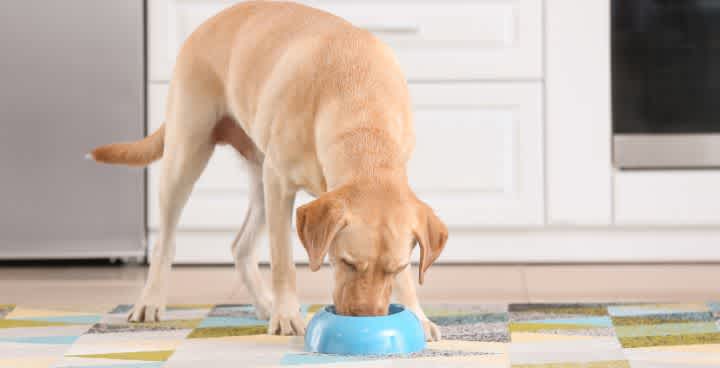
Feed smaller, more frequent meals (2–4 per day)
Provide a small, late-evening snack to keep your dog’s stomach ‘occupied’ overnight: high-protein and dry foods are best for this
Use a highly digestible diet if your vet recommends this
2. Medication (if needed)
In some cases, your vet may prescribe:
Acid-reducing medications: to reduce stomach irritation
Prokinetic drugs: these act by helping to improve stomach emptying and reducing the backflow of bile
Anti-nausea medication: provide short-term relief from symptoms
3. Diet trials
If symptoms persist, your vet may recommend a diet trial with a special (prescription) diet to rule out food sensitivity or an underlying gastrointestinal disease.
What to Expect
Generally speaking, the outlook for dogs with BVS is excellent.
Many dogs respond quickly to simple changes in their feeding times/schedule
Symptoms often reduce significantly within a few days to weeks
Some dogs may need special long-term dietary management
Medication is usually only needed in the short term, except for more persistent or severe cases
The sooner BVS is identified and treated, the less risk of ongoing stomach irritation and inflammation. Most dogs respond well, but persistent vomiting should always be taken seriously and followed up by a vet to rule out complications or other serious issues.
When to Be Concerned
Always reach out to a vet if your dog:
Continues to vomit more frequently or severely
Vomits up blood or granules that look like coffee grounds (digested blood)
Becomes lethargic
Develops diarrhoea or abdominal pain
Vomits at varied and unpredictable times (not just on an empty stomach)
These signs may indicate a more serious health problem or complication.

Can bilious vomiting be prevented?
BVS can’t always be completely prevented, but the risk can be minimised by:
Feeding your dog smaller, more frequent meals
Avoiding making them wait for prolonged or variable periods between meals
Providing a late-night bedtime snack
Keeping feeding routines consistent
Using vet-approved diets if your dog has a sensitive stomach or food allergies
Keeping your dog slim and in good body condition: obesity and poor condition increase risks
Simple changes in feeding routines are often very effective in controlling symptoms of BVS.
Key Takeaway
Bilious Vomiting Syndrome is a common condition associated with stomach irritation during periods of fasting. While it can seem worrying at first, most dogs improve with simple changes to their feeding routine, once other causes of vomiting have been ruled out.
Always seek veterinary advice if vomiting persists or changes in pattern. The sooner any issues are identified and addressed, the better the long-term outlook for all.
Joii Vets are on hand 24/7 for friendly, professional help and advice.


