


Dog Ate a Battery? Signs, Risks and What to Do if Your Dog Chews or Swallows Batteries

Why are batteries so dangerous to dogs?
The 4 major risks of batteries to your dog
Signs your dog may have chewed or swallowed a battery
What to do in an emergency - 3 essentials!
What will the vet do if your dog ate a battery?
Where do dogs generally find batteries?
Key Takeaway

Dog Ate a Battery? Signs, Risks and What to Do if Your Dog Chews or Swallows Batteries
Batteries are everywhere - remote controls, toys, watches, hearing aids. Unfortunately, these are also things dogs just love to chew.
Rarely a shift goes by without our vets taking a call from anxious owners, who've come home to find the TV remote in bits and the puppy looking very pleased with themselves.
But these cases can represent serious medical emergencies. Why? Because chewing or swallowing batteries can cause serious internal damage within hours.
This guide explains the four main dangers of batteries, what signs to watch for, and what to do if your dog gets hold of one.
Why are batteries so dangerous to dogs?
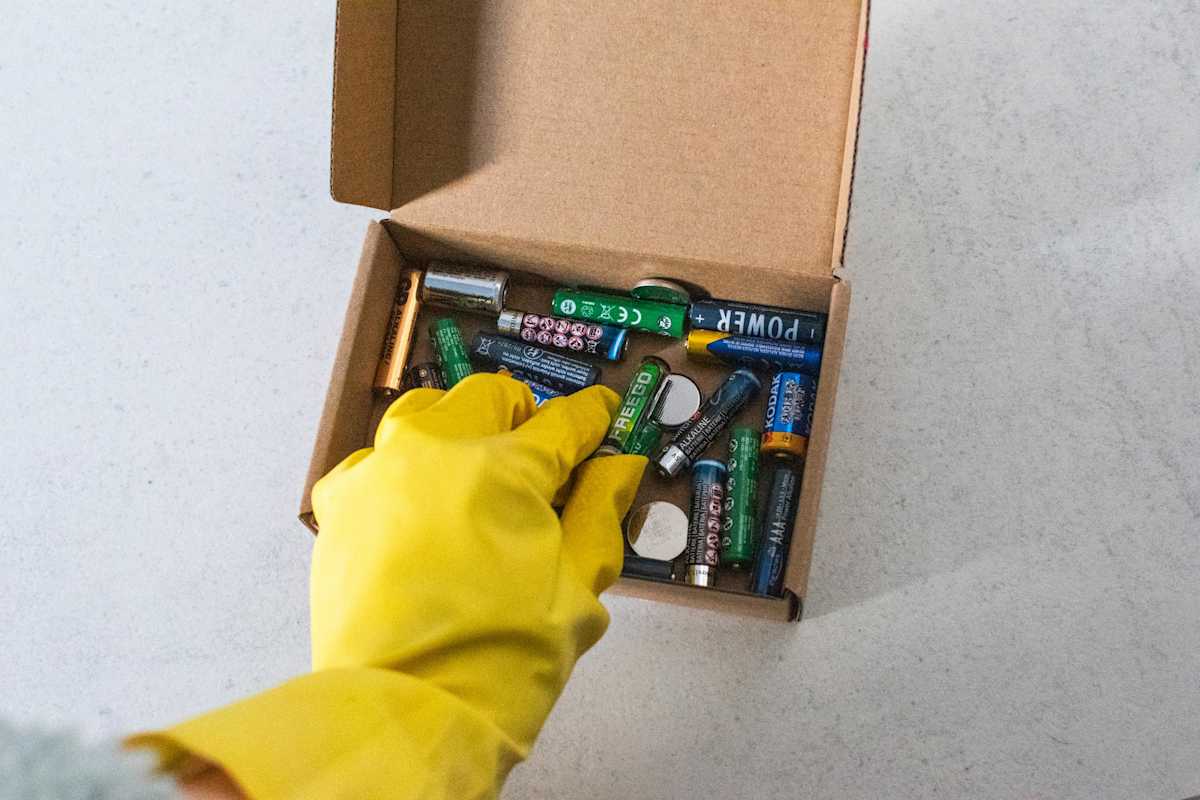
Damaged or punctured batteries can leak corrosive chemicals, risking serious tissue damage on contact with your dog’s mouth and throat. If the battery is swallowed, it can also cause burns, gastrointestinal blockages or poisoning.
Button (disc) batteries are particularly dangerous. Despite their small size, they can cause critical internal injury in a very short time.
The 4 major risks of batteries to your dog
1. Chemical (caustic) burns
The batteries dogs are most likely to encounter contain alkaline chemicals. When a battery is punctured, the leaked material can burn and destroy tissue in your dog's mouth, throat, and stomach. Severe ulceration can develop within 1–2 hours.
2. Electrical burns (button batteries)
These flat disc-like batteries that are often found in calculators and watches can create an electrical current when they come into contact with the moist lining of your dog’s mouth, stomach and small intestine.
The result is an electrical burn causing rapid, deep tissue damage should your dog inadvertently swallow one, even if the battery is swallowed whole and hasn’t been chewed or damaged.
3. Blockages (gastrointestinal obstruction)
A swallowed battery can become stuck in your dog’s:
Throat
Oesophagus (gullet)
Stomach
Intestines
This can cause choking, or lead to a life-threatening blockage requiring emergency surgery.
4. Heavy metal poisoning
The most immediate danger from batteries is burns. But material leaked from batteries can also cause poisoning if they remain in the gut for several days. The battery casing gradually breaks down, releasing toxic metals that may be absorbed into your dog’s bloodstream, resulting in widespread toxic effects.
Harmful metals in batteries include:
Zinc
Lead
Cadmium
Mercury
Signs your dog may have chewed or swallowed a battery
Some symptoms can appear very quickly. Others develop over several hours to days:
Drooling or excessive salivation
Signs of mouth pain: pawing at the mouth, rubbing, or whimpering
Having difficulty swallowing
Burns or ulcers in the mouth
Tummy pain: stretching, prayer position, a tense hard abdomen
Anaemia: pale gums
Neurological signs (heavy metal poisoning): tremors, staggering, seizures

Even if your dog seems okay to begin with, serious damage may already be progressing.
What to do in an emergency - 3 essentials!
If you think your dog has chewed or swallowed a battery:
Do NOT try to make your dog vomit
This is dangerous at the best of times, but with corrosives such as batteries, the damage caused going down would be repeated and made even worse on the way back up!Rinse your dog's mouth if they chewed or licked a battery
Gently flush their mouth with lukewarm water for 15–20 minutes.Contact a vet immediately
Do not wait for symptoms to develop.
What will the vet do if your dog ate a battery?
Treatment will vary, depending on the situation. It may include:
Endoscopy: using a tiny camera with a special grasping tool to safely remove the battery
Surgery: an emergency operation to remove a battery that is stuck or causing damage
Medication: to treat burns, pain, and inflammation
Careful monitoring: watching for complications, such as ulcers or even gastrointestinal rupture
Where do dogs generally find batteries?
Dogs most often access batteries from everyday items:
Remote controls: TV, music systems, or heating controls
Toys: remote-controlled, crying, ‘talking’, musical or lighting-up
Watches and fitness trackers
Hearing aids
Calculators
Cameras
Torches and flashlights
Wireless devices: keyboard mouse, or smart speakers
Reduce the risk by making sure these items remain out of reach of your dog.

Key Takeaway
Batteries are a serious hazard to your dog. Chewing or swallowing one can result in caustic burns, internal damage, choking or blockages - often very quickly. Even licking a disc-type or damaged battery risks significant tissue damage and discomfort.
If you think your dog has licked, chewed or swallowed a battery:
Do not induce vomiting
Rinse their mouth if possible
Seek immediate in-person veterinary care
Quick action can make all the difference.


