


Bilious Vomiting Syndrome in Dogs: Why Your ‘Healthy’ Dog Vomits Yellow Bile in the Morning

What is Bilious Vomiting Syndrome?
Causes
Risk
Symptoms
Diagnosis
Treatment
Prognosis
When to Be Concerned
Prevention
Key Takeaway

Bilious Vomiting Syndrome in Dogs: Why Your ‘Healthy’ Dog Vomits Yellow Bile in the Morning
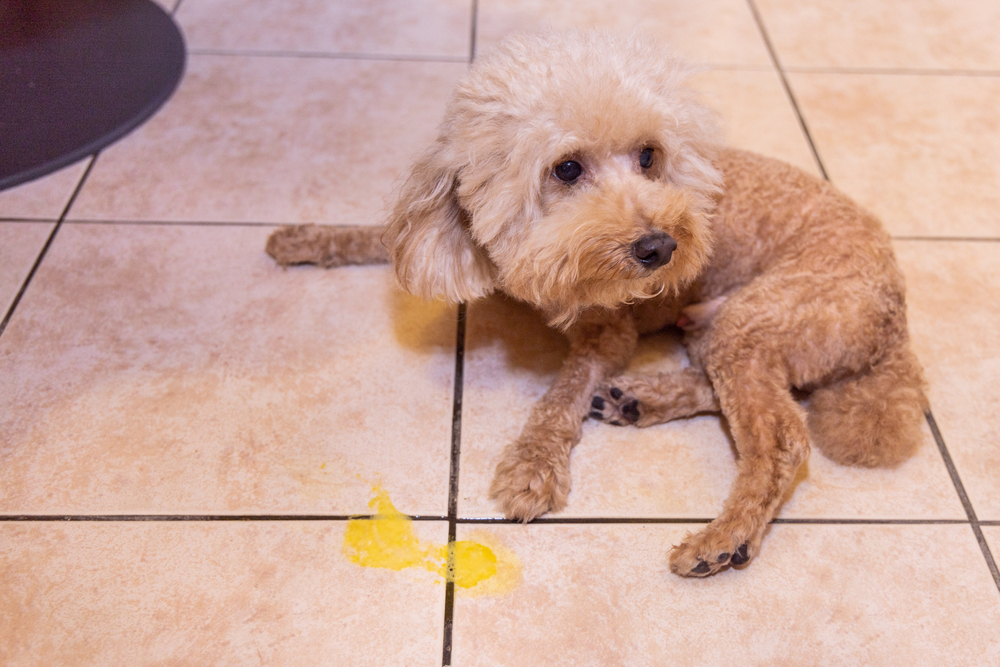
Few things will ruin a morning quite as fast as stepping out of bed into a puddle of yellow vomit - or being woken at 5 am by a retching spaniel. Even more confusing? Your 4-legged furball seems perfectly fine afterwards.
Vomiting up yellow or green fluid (bile) on an empty stomach is the hallmark of Bilious Vomiting Syndrome (BVS), a common and often misunderstood cause of intermittent vomiting in dogs.
The good news? In many cases it’s simple to manage by adjusting meal times - sometimes as simple as adding in a late-night snack (and you’ll rarely get any canine complaints about that!).
This article explains the causes, risks, and treatment options of BVS, helping you to protect your dog, your carpets, and your peace of mind from this alternative canine version of “morning sickness.”
What is Bilious Vomiting Syndrome?
Bile is a digestive fluid that’s produced by the liver and stored in the gallbladder. It’s normally released into the small intestine after your dog eats something, and it helps the body to digest fats.
In dogs with bilious vomiting syndrome (BVS), bile flows from the small intestine backwards into the stomach if they don’t eat anything for a long time. Bile irritates the stomach lining, causing nausea and vomiting. It often happens early in the morning after an overnight fast, especially if their last meal was the previous morning or early afternoon.
In dogs with BVS, their vomit is usually:
Yellow or green
Frothy or watery
Produced when your dog’s stomach is empty
Causes of vomiting bile in dogs Which dogs are most at-risk of bilious vomiting syndrome? Symptoms of bilious vomiting in dogs - what to look out for How do vets diagnose bilious vomiting syndrome? Treatment of bilious vomiting in dogs What to Expect When to Be Concerned
Symptoms of bilious vomiting in dogs - what to look out for How do vets diagnose bilious vomiting syndrome? Treatment of bilious vomiting in dogs What to Expect When to Be Concerned
Treatment of bilious vomiting in dogs What to Expect When to Be Concerned
When to Be Concerned
Always reach out to a vet if your dog:
Continues to vomit more frequently or severely
Vomits up blood or granules that look like coffee grounds (digested blood)
Becomes lethargic
Develops diarrhoea or abdominal pain
Vomits at varied and unpredictable times (not just on an empty stomach)
These signs may indicate a more serious health problem or complication.

Can bilious vomiting be prevented? Key Takeaway
Bilious Vomiting Syndrome is a common condition associated with stomach irritation during periods of fasting. While it can seem worrying at first, most dogs improve with simple changes to their feeding routine, once other causes of vomiting have been ruled out.
Always seek veterinary advice if vomiting persists or changes in pattern. The sooner any issues are identified and addressed, the better the long-term outlook for all.
Joii Vets are on hand 24/7 for friendly, professional help and advice.


