Do Dogs Need Coats in Winter? Breeds That Feel the Cold


Why do some dogs feel the cold more?
Which Dog Breeds Feel the Cold?
Signs your dog is cold
Tips for Keeping Your Dog Warm on Winter Walks
Vet-recommended winter accessories for dogs
Products in this article
As temperatures drop and frosty mornings become more common, you might wonder whether your dog needs a coat to stay warm. The answer depends on your dog: their breed, size, age and coat type all play a part in how well they cope with colder temperatures.
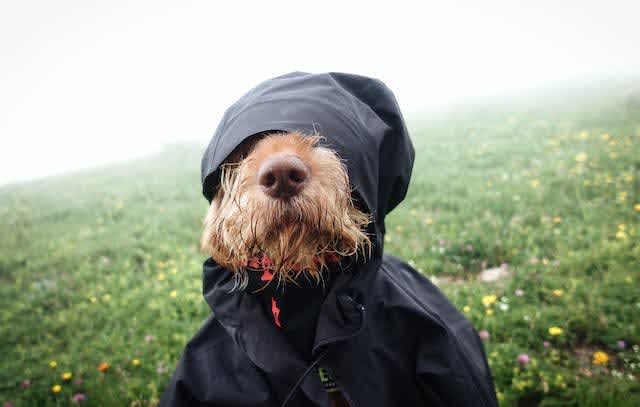
Rain and wind can also make dogs feel much colder. Even dogs with thicker coats can become chilled if they're exposed to cold, wet conditions for long periods.
Why do some dogs feel the cold more?
A dog's ability to stay warm depends on more than just their breed. Their fur, body size, body condition, age and health can all affect how well they cope with cold weather.
Fur type
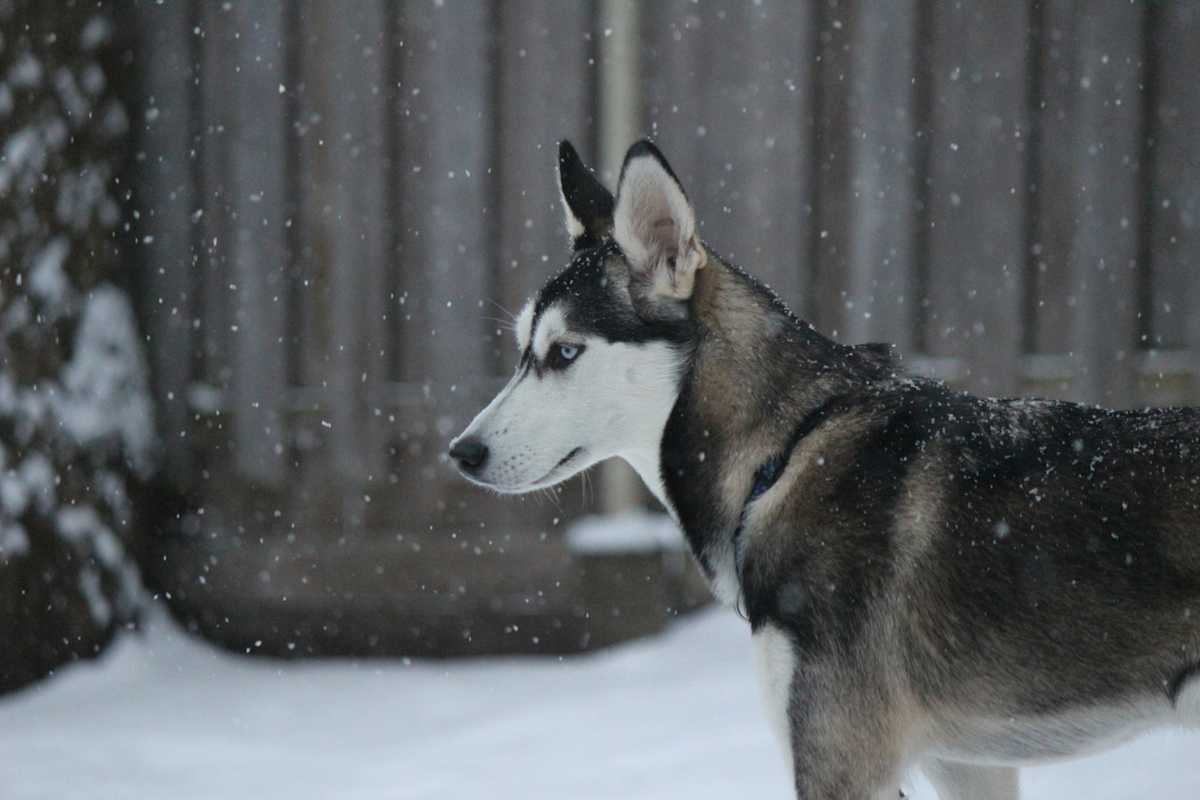
Dogs with thick double coats, such as Huskies, Malamutes, and Bernese Mountain Dogs, have a dense undercoat that traps warm air close to the body, providing natural insulation. They are built for cold weather, so an extra layer (such as a jacket or jumper) can cause overheating!
Other dogs have less natural protection. Breeds with short, fine or sparse fur, such as Greyhounds, Whippets and Chihuahuas, lose body heat more quickly. Dogs with little body fat also have less insulation to help them stay warm.
Size
Small dogs tend to lose heat faster than larger dogs, because their surface-area-to-volume (mass) is much higher. This means smaller dogs have more skin exposed per unit of body mass, so heat dissipates faster. Short-legged breeds may also feel the cold more because their bellies are closer to cold, wet ground.
Age and health
Puppies can’t fully regulate their body temperature. Older dogs may have less muscle mass and struggle to stay warm. Dogs that are underweight, unwell or have certain medical conditions may also be more sensitive to cold.
Which Dog Breeds Feel the Cold?
Breeds that benefit from jackets or jumpers include:
Sighthounds (Greyhounds, Whippets, Lurchers and Italian Greyhounds, etc.) have thin skin, short fur and very little body fat.
Small and toy breeds (Chihuahuas, Yorkshire Terriers, Miniature Pinschers, Toy Poodles, Dachshunds, etc.) lose heat quickly because they're closer to the cold, wet ground.
Short-coated breeds (such as Boxers, Dobermanns, French Bulldogs, Staffies and Pugs) don't have a thick undercoat to help trap heat.
Hairless or very lightly coated dogs (like the Chinese Crested)
What about flat-faced (brachycephalic) dogs?
Flat-faced breeds, such as Pugs, French Bulldogs and English Bulldogs, need a little extra consideration. Their shortened airways can make breathing and panting less effective, meaning they struggle to cool themselves down and are more prone to overheating.
However, many of these breeds also have short, fine coats that offer little protection against cold weather. They may benefit from a lightweight, breathable coat on particularly cold days, especially if they are also very young, elderly or unwell.
If your dog has breathing difficulties, take extra care when choosing a coat. Avoid anything tight, heavy or restrictive around the neck and chest, as it could make breathing or movement difficult. Watch for signs of overheating, even in cooler weather, and remove the coat if your dog starts panting more than usual or seems uncomfortable.
Signs your dog is cold
Common signs that your dog is cold include shivering, a hunched posture, a tucked-in tail, lifting their paws off the ground, slowing down or trying to head home. Some dogs may also seem reluctant to go outside.
If you notice these signs, don't ignore them. Go somewhere warm, dry your dog if they've got wet fur and use a blanket to help them warm up gradually. For future walks, consider a well-fitting coat if your dog is sensitive to the cold.
If your dog keeps shivering after warming up, seems unusually tired or weak, or shows signs such as confusion or difficulty walking, contact your vet urgently, as these can indicate hypothermia.
Our Joii Vets are available 24 hours a day for advice if you are unsure.
Tips for Keeping Your Dog Warm on Winter Walks
-
Measure jumpers and jackets
Most coats are sized by back length, from the base of the neck to the base of the tail. Measure in centimetres and check the chest size too.
You should be able to slide two fingers under the straps. The coat shouldn't rub under the front legs or get in the way when your dog goes to the toilet.
-
Match the coat to the weather
Fleece is lovely and warm on dry, cold days. If it’s raining, use something waterproof with a warm lining.
-
Take wet coats off when you get home
Towel dry your dog thoroughly after being outdoors.
-
Wipe paws after walks
Grit and salt on pavements can damage paw pads.
-
Be seen in the dark
With short winter days, many dog walks take place in the dark. A reflective trim or a light on the collar helps keep your dog visible.
-
Buy some dog boots
Some dogs may benefit from boots to protect their paws in the winter.
-
Keep them on a lead
Especially near traffic and frozen lakes or ponds.
Vet-recommended winter accessories for dogs
A soft, light fleece that helps keep your dog warm.
A high-visibility dog coat to provide an extra layer of warmth while helping your dog stand out in low-light conditions.
Put a light on your dog’s collar to improve safety on dark winter walks. This makes it easier for passing drivers, cyclists and other walkers to spot them.
Not every dog needs a coat, but small, thin-coated, young, older or poorly dogs often do. Watch how your dog copes on walks and let that guide you.
If in any doubt, speak to your vet. Our Joii Vets are available 24 hours a day for advice.


Last updated