


Responsible use of spot-on parasiticides - A vet's guide

What are spot-on parasiticides?
Why are spot-on parasite treatments important?
Why has responsible use become such an important topic?
The One Health approach
What does a risk-based approach mean?
How can owners use spot-on treatments responsibly?
Reducing environmental impact
Are spot-on treatments the right choice for every pet?
The bottom line

Responsible use of spot-on parasiticides - A vet's guide
Spot-on parasiticides have transformed parasite control with a practical and easy way to protect pets against parasites, and they remain an essential part of prophylactic care and treatment for many dogs and cats.
However, recent research has highlighted that some of the active ingredients contained in these products can enter the wider environment. This has prompted veterinary organisations to review how these medicines are prescribed and used. Overall, the current guidelines are not to stop parasite prevention, but rather to use as little as possible but as much as necessary through a personalised, risk-based approach for each pet.
Here we look into what responsible use means and how owners can work together with their veterinary team to make informed decisions.
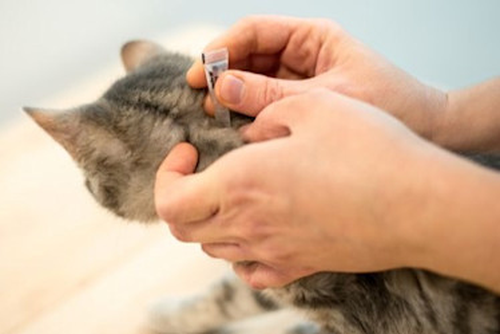
What are spot-on parasiticides?
Spot-ons are medicated liquid treatment for pets to protect against ectoparasites such as fleas, ticks, mites and lice and some cover for some internal parasites as well. Some of the most common active ingredients include:
Fipronil
Imidacloprid
Selamectin
Moxidectin
Fluralaner
Why are spot-on parasite treatments important?
Responsible use does not mean avoiding parasite prevention. Parasites can cause serious health issues for pets. Flea infestations can cause not just itching but also anaemia and flea allergy dermatitis. Tick bites can become infected and also put your pet at risk of serious parasite-borne diseases, and mites can cause mange.
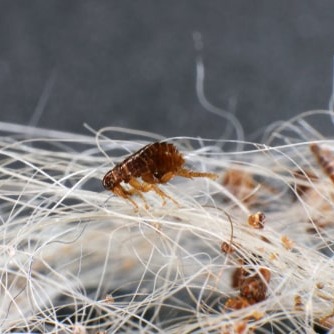
It is not just our pets that are protected, use of parasiticides can also protect people. Some parasites can affect both animals and people. So stopping our pets from bringing them into the home protects vulnerable family members (like young children or people with weakened immune systems) from becoming the next host.
Parasiticide treatment as a preventative medicine is less intensive and more effective than treating established disease.
Why has responsible use become such an important topic?
Environmental contamination
Current evidence has found parasiticides in waterways, which may have a potential effect on aquatic invertebrates. These parasiticides have the potential to be transferred from treated pets into the environment. Possible pathways include:
Swimming
Bathing
Wastewater
Fur shedding
Pet bedding
The One Health approach
Research is still evolving and is continuously being explored to get further insight into the exact causes and how best to adapt guidelines and practice to minimise risks.
The One Health approach brings together several disciplines, including areas in:
Animal health
Human health
Environmental health
Together, they collaborate to achieve sustainable improvement for the health of all of them. With all disciplines working together, issues such as responsible parasiticide use can be navigated more thoroughly and effectively.
Appropriate prescribing of these medications protects these medicines for the future. There are concerns about the possibility of resistance developing against these active ingredients, so using only a risk-based approach in targeting treatment not only avoids unnecessary treatments but can also reduce the risk of resistance developing.
What does a risk-based approach mean?
Rather than recommending the same parasite treatment schedule for every dog and cat, veterinary professionals now take a risk-based approach. This means assessing each pet’s individual lifestyle, health and environment before deciding whether parasite prevention is needed, which parasites to target and how often the treatment should be given.
The aim is to use parasite treatment only when they are likely to provide a meaningful benefit, while continuing to protect animal welfare, public health and the environment.
Your pet’s lifestyle
How your pet spends their time can have a big impact on their parasite risk. Your vet may go through some questions such as:
Are they indoors or outdoors
Does your cat hunt
Do they walk through woodland or long grass regularly
Do they enjoy swimming
Do they visit kennels, catteries or grooming salons
Does your pet regularly mix with other animals
Pets that spend more time outdoors or have frequent contact with other animals are generally considered at higher risk of picking up parasites.
Location
Parasite risk can vary depending on where you live and travel. Your vet may consider:
Local flea, tick and lungworm prevalence
Urban or rural location
Whether your pet travels within the UK or abroad
Household
Some parasites can affect people, so your household is also an important consideration. Talk to your vet about what is most appropriate if you have members in the household who are immunocompromised, elderly or very young and also if there are multiple pets within the home.
Your pet’s health
Your pet’s age and medical history can also influence the most appropriate treatment plan. Factors may include:
Age and weight
Existing health concerns, for example, history of seizures, allergies or kidney issues
Current medications
Pregnancy or nursing
Previous parasite infestations or reactions to parasites or treatments
Finding the right balance
After considering all these factors, your veterinary team can recommend a parasite prevention plan tailored to your pet. Some pets may benefit from year-round protection, while others may only need seasonal or targeted treatments. The goal is to provide effective parasite control while avoiding unnecessary use of medicine, supporting both your pet’s health and the environment.
How can owners use spot-on treatments responsibly?
Here are some of the top ways to help use these medications responsibly at home:
Use veterinary-recommended or prescribed products
Apply exactly as instructed
Dose accurately
Never use dog products on cats
Avoid unnecessary repeated treatment
Store medicines safely
Dispose of unused products correctly
Reducing environmental impact
The best ways to reduce the environmental impact of topical products are by reducing exposure to the waterways. Practical tips to help reduce this include:
Avoid bathing soon after application
Prevent swimming for the period recommended on the product label
Allow the product to dry fully at the application site
Prevent licking between pets after application
Pick up your dogs poos
Speak to your vet if your dog swims regularly, as other treatment options may be more appropriate
Are spot-on treatments the right choice for every pet?
While spot-on treatments are useful for their ease of application and effectiveness, there are alternative options if topical treatment is not suitable. Other options include oral tablets, chewable tablets, collars and even injectable treatments.
Treatment choice should always be made with your veterinary surgeon in order to find the best options for your individual pet's needs.
The bottom line
Spot-on parasiticides remain an important part of protecting many pets. Current veterinary advice focuses on using them only where they are likely to provide benefit. Following practical steps can reduce environmental contamination without compromising animal welfare.
The best parasite prevention plan is one tailored to your individual pet after discussion with your veterinary team. For further help and advice, please speak with one of our Joii vets who can give further guidance.
