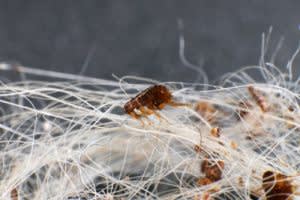
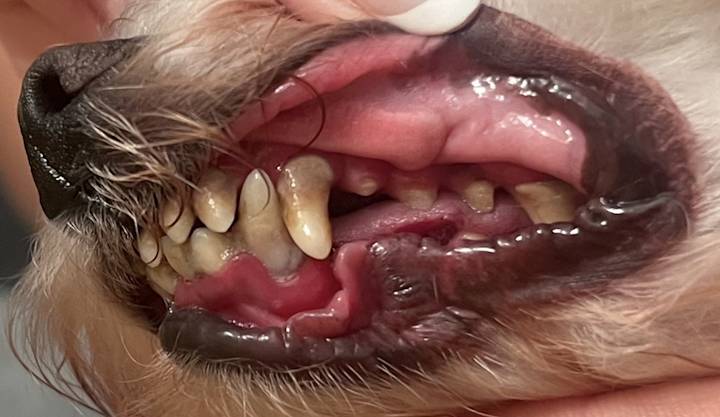
Flea allergy dermatitis in dogs is an allergy to flea saliva. Fleas are an extremely common problem for dogs. Symptoms often include intense itching, which can lead to skin infections. Dogs of any age can develop this condition.
Flea saliva enters the skin when fleas feed, and an allergic reaction can occur in response to proteins in the saliva. Even one or two flea bites can cause a severe reaction in affected dogs. Flea allergy dermatitis can usually be managed successfully with appropriate flea control and treatment of any skin inflammation or infection. Dogs with flea allergies can live a normal and comfortable life.
What is flea allergy dermatitis in dogs?
Flea allergy dermatitis is a type of allergic reaction in dogs
It is a common problem that can cause your dog to become extremely itchy.
Fleas are not always seen on the coat. Fleas can be difficult to spot because they move quickly through your dog’s coat, and dogs may also groom them away.
Flea saliva enters the skin when fleas feed.
An allergic reaction can occur in response to proteins in the saliva.
Even a small number of flea bites can cause a severe reaction in affected dogs.
The symptoms of flea dermatitis are sometimes mild, but if not treated, may lead to self-trauma or skin infections.
With appropriate treatment and effective flea control, symptoms should improve, but recovery can take several weeks or longer.
If you think that your dog has fleas or a flea allergy, contact a vet to discuss the best treatment plan. Our online vets are available 24 hours a day for advice.

Symptoms of flea allergy dermatitis in dogs
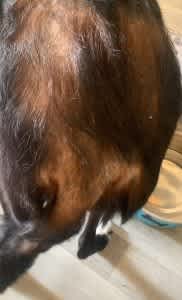
The signs of flea allergy dermatitis in dogs often affect the lower back, hind legs, and the base of the tail.
Signs of itching, such as biting, licking or scratching
Hair loss (alopecia) and bald patches
Fleas or flea dirt in the coat
Scabs, crusts or a rash on the skin
Red or thickened patches of skin
Sores or moist, weeping areas of skin
Signs of secondary skin infection, such as unpleasant skin odour or discharge
Fleas and flea dirt may not be visible. Not finding them does not rule out flea allergy dermatitis.

Are some dogs more at risk of flea allergy dermatitis?
Any dog exposed to fleas can develop flea allergy dermatitis.
It can affect dogs of any breed and age.
Dogs without regular, effective flea control are more likely to be exposed to fleas and may be at greater risk.
Fleas may be more difficult to spot in dogs with long, thick or dark coats.
Is my family at risk of catching fleas or having flea allergies?
Dog fleas can bite humans, but they don’t usually live on our skin.
Flea bites on humans may appear as small, red, itchy spots, sometimes in clusters.
The bites can become itchy, and scratching may lead to secondary skin infection.
Speak to your doctor if you have any concerns.
How is flea allergy dermatitis diagnosed in dogs?
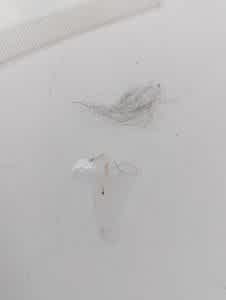
Flea allergy dermatitis is usually diagnosed based on your dog's symptoms, the location of the skin lesions and evidence of fleas or flea dirt. However, fleas may not always be visible, so not finding them does not rule out flea allergy dermatitis. Your vet may try the flea paper test to check for flea dirt in your dog's fur.
Your vet may also assess how your dog responds to effective flea control.

Further tests may include:
Skin scrapes, skin smears or hair plucks to investigate other causes of itching or skin infection
Skin biopsy in selected cases
Blood and urine tests if an underlying health problem is suspected
An elimination diet if a food allergy is suspected
Vet treatment for flea allergy dermatitis in dogs
Treatment for flea allergy dermatitis in dogs usually involves controlling fleas, relieving itching and inflammation, and treating any secondary skin infections.
Flea treatment
To kill fleas and help prevent further infestations.
Usually given as a tablet or spot-on treatment, depending on the product.
Use a vet-recommended product that is suitable for your dog's age and weight.
Treat all household pets with appropriate flea control. Treating the home may also be necessary to control an infestation.
Itch treatment
Medication to relieve itching and inflammation may be needed, depending on the severity.
Treatment may be given as a tablet or injection.
Skin treatment
Treatment depends on whether there is inflammation, a secondary infection or both.
Secondary bacterial skin infections may require antibiotics, depending on their severity. Medicated shampoos or other topical treatments may also be recommended.
Other treatments may include tablets, creams or shampoos, depending on the skin problem.
Follow-up checks may be needed to make sure the skin has healed and the infection has cleared.
How to look after a dog with flea allergies at home
Get rid of the fleas
Treat all the pets in the household with vet-recommended flea control.
Most flea life stages, including eggs, larvae and pupae, are found in the environment rather than on your dog, so make sure to treat your home too.
Household flea sprays can help control fleas in the environment and should be used according to the product instructions. Ask your vet for recommendations, and take care to keep pets away from treated areas as directed.
Wash pet bedding, blankets and washable items that your dog has had contact with on a hot cycle, ideally at 60°C if the fabric allows.
Vacuum carpets, rugs, upholstery and areas where your dog rests regularly. Empty the vacuum cleaner and dispose of the contents appropriately.
Continue flea control as recommended by your vet, even after your dog's itching has improved, to reduce the risk of another flare-up.
Home remedies
Check with your vet before using any home remedies, as some can cause further irritation to the skin, depending on your dog's symptoms.
Skin supplements containing omega oils can protect the skin barrier and improve skin health.
Medicated shampoo or mousse may be helpful for irritated skin. Ask your vet which products are suitable, particularly if the skin is inflamed or infected.
Your vet may recommend a buster collar, T-shirt or medical suit temporarily to prevent self-trauma. Make sure it fits properly and does not rub the affected skin or restrict movement.
Costs of treating flea allergy dermatitis
The cost of treating flea allergy dermatitis can vary depending on how quickly it is diagnosed and treated.
Treatment can be expensive at the beginning, especially if there is a secondary infection.
Long-term costs may be lower once the condition is controlled, although ongoing flea prevention and occasional treatment may still be needed.
Regular flea prevention is usually easier and less costly than treating a flea infestation and its associated skin problems.
Recommended products


Tips on how to prevent flea allergy dermatitis in dogs
Regular flea control can help prevent flea infestations and reduce the risk of flea allergy dermatitis flare-ups.
Use a vet-recommended flea-control product appropriate for your dog. Ask your vet for advice on the best approach, as the product and frequency of treatment depend on your dog's individual needs and circumstances.
Groom and brush your dog regularly to check for fleas, flea dirt or changes to their skin and coat.
Vacuum regularly, particularly carpets, upholstery and areas where your dog rests. Wash your dog's bedding on a hot cycle, ideally at 60°C if the fabric allows.
If needed, use a household flea spray according to the product instructions. Never apply household flea sprays directly to your pet.
Limit contact with animals that may have fleas, where practical. Fleas can also be picked up from the environment.
When to worry about flea allergy dermatitis in dogs
Arrange an urgent appointment if:
Your dog has open, weeping or painful skin
Your dog is constantly scratching, licking or biting themselves
Your dog has thickened or weepy skin
You have a very young or elderly dog with fleas, especially if they seem weak or unwell
You have questions about what flea prevention products may be suitable for your dog
Your dog has any mild skin problems.
You want advice on checking for fleas or flea dirt
Last updated