


Sunburn in Cats: Signs, Treatment and Prevention

Can cats get sunburn
Symptoms
Cats at risk
Cat sunburn treatment
Long-term damage
Prevention
Sunburn or heatstroke
Conclusion Products in this article

Sunburn in Cats: Signs, Treatment and Prevention
Cats are famous for their sunbathing habits. They are very good at finding the sunniest spot in the house or garden to lounge in, but are they in danger of sun damage? Unfortunately, yes, their fur does not provide complete protection from ultraviolet (UV) radiation.
Read on to find out what sunburn in cats looks like and how it is best treated, along with how to protect them and when it is time to call your vet.
Can cats get sunburn?
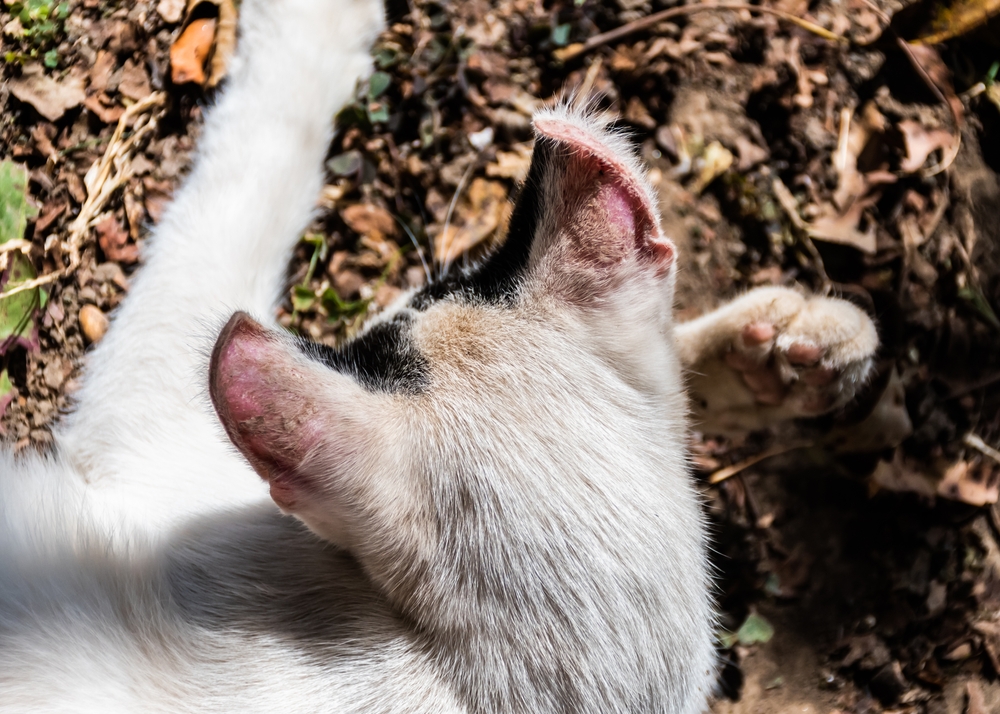
Yes, cats can develop sunburn when UV radiation damages exposed skin (just like us!). Sparsely covered areas such as the ears and nose are particularly vulnerable. The UVB type radiation can damage the DNA inside the skin cells, which triggers redness and inflammation.
While a single exposure can make the skin red and sore, repeated exposure can cause severe chronic damage such as solar or actinic dermatitis (a painful skin inflammation), and it can increase the risk of a type of cancer.
Sunburn is not the same as overheating or heatstroke. A cat can experience UV skin damage without becoming hot, and they can also become overheated without getting sunburn.
What does sunburn look like in cats?
Signs your cat may have a sunburn include:
Pink or red skin
Warm, tender or sore skin
Flinching or moving away when touched
Scratching, rubbing or increased grooming
Fine scaling or flakey skin
Hair thinning over the affected area
Redness may be harder to spot on pigmented skin, so look for changes in texture, sensitivity and your cat’s overall behaviour. Part the fur gently to look at the skin beneath and compare the area with the opposite side or surrounding skin to see if there have been any changes.
More severe signs that need veterinary attention include:
Peeling or blistering
Crusting
Ulceration
Non-healing wounds
Which cats are most at risk?
The most vulnerable areas are places where their fur is less dense or the skin is less pigmented.
Some common examples are:
Ear tips and outer ear flaps
Nose tip and bridge
Eyelids
Lips
Abdomen and groin in cats that enjoy sunbathing on their backs
While all cats are at risk of sunburn, white or predominantly white cats are at higher risk due to their unpigmented skin. Hairless cats are also at higher risk due to lack of fur coverage, as well as those with hair loss from skin disease, overgrooming or clipping.
What should I do if my cat is sunburnt?
First aid
Move your cat indoors or into the shade to prevent further UV exposure and damage
Apply a cool, damp compress for a few minutes if your cat tolerates it
Prevent licking, rubbing or scratching where possible, such as using a cone or distraction
Contact a vet for advice if you are uncertain about the severity or cause of the skin changes
Do not apply ice or frozen packs directly against the skin, or use human after-sun or aloe vera preparations. These can cause stomach issues if consumed as your cat licks. Cats will readily lick anything off their skin to clean, so even gentle human products may be unsuitable.
When to contact a vet
Prompt veterinary advice is needed if any of the following signs are seen:
Blisters
Broken, weeping or bleeding skin
Significant pain
Extensive redness or peeling
Reduced appetite, hiding or lethargy
Skin changes that are not improving
Can repeated sun exposure cause lasting damage?
Repeated UV exposure can cause chronic inflammation and permanent changes to the skin cells. Early actinic, or radiation-caused, damage may appear as fine scaling, hair loss or small crusts. However, over time, skin can become thickened, sore or ulcerated.
Some areas develop actinic keratosis, a precancerous change that can progress to a skin cancer called squamous cell carcinoma (SCC).
Cutaneous SCC can start as an innocent-looking scab or scratch, particularly on an ear tip or nose. Make sure to contact your vet if you notice any sores that are not healing, repeatedly crust over or are becoming larger.
How to prevent sunburn in cats
Limit sun exposure
Keep vulnerable cats inside during the brightest part of the day, often approximately 11am to 3pm. It can help to check the Met Office UV index rather than relying on temperature alone, as with our temperamental UK weather, sunburn is still possible on cold breezy days.
Instead, encourage outdoor activities in the morning or late afternoon, and close blinds or curtains to stop sunbathing in favourite spots during periods of strong sunlight.
Provide shade
Create shaded resting spots indoors and outdoors, make them cosy and appealing by using beds, cat hides, parasols or shaded catio areas.
Cat-safe sunscreen
It is recommended to only use sunscreen products that are specifically suitable for cats rather than ordinary human or baby sunscreen.
Look for pet-safe, waterproof, broad-spectrum products with an SPF of 30 or higher. Apply it as directed, concentrating on vulnerable pale skin.
To make the application easier and better tolerated, introduce it gradually and distract your cat with a treat or a game while it settles. Remember to reapply according to the product instructions.
Sunburn or heatstroke
Sunburn mainly affects the skin and can cause redness, soreness, scaling, peeling or crusting.
Heatstroke affects the whole body and can cause panting or open-mouth breathing, weakness, vomiting, confusion and collapse. Heatstroke is an emergency. Begin cooling your cat immediately and contact a vet for advice as soon as possible if any of these signs are noticed after sun or heat exposure.
Conclusion
Cats can still enjoy sunny weather, but pale ears, noses and sparsely haired skin need extra protection. Providing shade, limiting exposure during high UV periods and checking regularly for skin changes can help prevent painful sunburn and more serious long-term damage.
If you are unsure whether your cat needs to be seen by a vet for skin issues or are looking for more personalised advice for your cat's situation, speak with one of our Joii vets for further guidance.


