


Winter Hazards for Pets: Common Dangers and How to Keep Them Safe

1. Toxic foods
2. Alcohol
3. Antifreeze
4. Decorations
5. Potpourri and essential oils
6. Candles
7. Toys
8. Batteries
9. Plants
10. Cold weather
11. Fireworks
12. General wellbeing
What to do if your pet eats or drinks something they shouldn't
Winter FAQs for Dogs and Cats
Winter Pet Safety Checklist
Winter Wellness Bundle for Dogs
Winter Wellness Bundle for Cats
Products in this article

Winter Hazards for Pets: Common Dangers and How to Keep Them Safe
The cold weather and unique hazards at this time of the year can pose serious risks to the well-being of our pets. Read our handy guide to the most common winter hazards for dogs and cats and what to do if your pet is at risk.
Your 12 Christmas Helpers
Treat-check elf: Food hazards
Sip-safe santa: Alcohol
Car-care helper: Antifreeze
Decoration buddy: Christmas decorations
Scent-safe sprite: Potpourri and essential oils
Candle watcher: Candles
Toy-check fairy: Toy hazards
Battery guard: Battery safety
Plant Pal: Toxic winter plants
Weather Wizard: Cold weather risks
Noise Ninja: Coping with fireworks
Comfort coach: Christmas pet wellness
1. Festive Food Hazards
There are many foods associated with winter and Christmas that pose a risk to our pets. Some are more serious than others.
Christmas cake, Christmas pudding, and mince pies are all extremely toxic to dogs and cats. This is because they contain grapes or a dried version of them (raisins/sultanas/currants etc). Even in small amounts, they can cause severe poisoning and lead to kidney failure.
Chocolate tends to be everywhere at this time of year — in advent calendars, selection boxes on the coffee table, and even tucked under the Christmas tree. But it’s important to remember that chocolate is toxic to both dogs and cats. How serious it is depends on your pet’s size (smaller pets are at higher risk) and the type of chocolate involved (the darker the chocolate, the more harmful it can be).
Nuts, including macadamia, cashew, and pistachio, can all cause illness in your pets. Though most effects tend to be mild, they should be completely avoided. Macadamias can cause more serious symptoms than other types of nuts.
Sugar-free sweets that contain artificial sweeteners can be harmful to pets. Xylitol is the most problematic, as it causes the blood sugar levels to drop dangerously low. This seems to be more of a problem in dogs compared to cats. Other artificial sweeteners can cause symptoms if eaten in large amounts.
Other common hazards include turkey bones (can cause intestinal blockages!), onions and garlic (toxic in large amounts), mouldy food or blue cheese (contain dangerous toxins).
If ingestion of toxic foods is suspected, it is essential to seek immediate veterinary advice.
2. Alcohol and Pets
Alcohol can be dangerous to dogs and cats
This is because it contains ethanol (which is also in mouthwash, hand sanitisers, and other products). Most commonly, alcohol poisoning happens from drinks left unattended, especially those containing cream, which can be very appetising to pets.
The amount of alcohol that is poisonous to dogs and cats depends on the strength of the drink and weight of your pet. Symptoms can range from mild, such as vomiting and lethargy, to severe, even coma and death.
3. Antifreeze and Pets
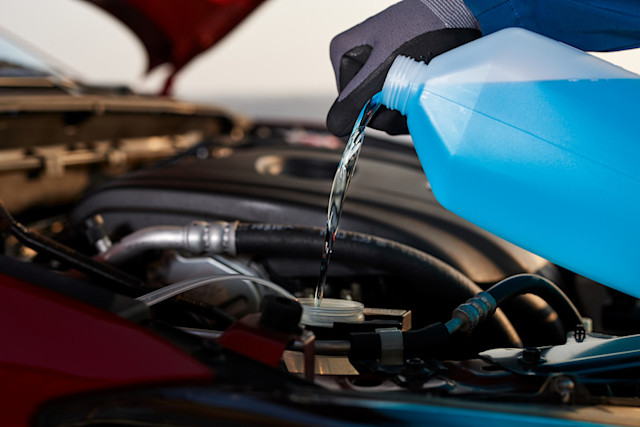
Antifreeze (which usually contains ethylene glycol) is used in cars to stop the water from freezing, and it’s extremely toxic to dogs and cats.
It tastes sweet, which is why our pets tend to drink it. It can be found spilled on driveways or in garages. Windscreen de-icer, brake fluid, and other products can also contain ethylene glycol.
Even a small amount, equivalent to a teaspoon, can lead to severe symptoms and kidney failure. Symptoms of anti-freeze poisoning in dogs and cats include drooling, excessive thirst, incoordination, and seizures.
4. Pet-Proofing Your Christmas Decorations
Christmas trees are usually pine, spruce, fir, or plastic, and these are non-toxic to dogs and cats. The needles can cause some tummy irritation or a blockage if eaten in large amounts, and may cause mild irritation of the gums and paws.
Wrapping paper, ribbons, and bows are not toxic to dogs and cats but can cause irritation or even a blockage in the gut.
5. Scented Christmas Hazards
Potpourri in liquid form and essential oils can be harmful to dogs and cats. If only a small amount is ingested, symptoms are usually mild, but larger amounts or high concentrations can lead to more severe problems and burns. They can also cause skin irritation if they come into contact that way.
6. Keeping Pets Safe Around Candles
Be careful of using scented candles at home if you have pets. The strong fragrances (and the smoke they produce) can irritate your pet’s eyes, nose, and throat, which may lead to sneezing, coughing, watery eyes, or a runny nose. Pets with asthma, allergies, or other breathing problems can be much more sensitive, and symptoms may flare up more easily.
-
Candles also come with a couple of other risks:
Open flames and hot wax: Curious noses and wagging tails can accidentally knock candles over, causing burns or even a fire hazard.
Ingestion (less common, but possible): Some pets will chew candles, wax melts, or leftover stubs. Swallowing wax can cause vomiting, diarrhoea, or tummy discomfort, and in rare cases a blockage—especially if they eat larger chunks or packaging/wicks.
7. Christmas Toy Hazards
Though most toys are not poisonous to dogs and cats, they carry a risk of getting stuck in the tummy if swallowed.
Silica gel packets are used to reduce moisture in boxes of shoes and other products. While silica gel is non-toxic to dogs and cats, packets containing charcoal or iron can be.
8. Battery Safety for Dogs & Cats
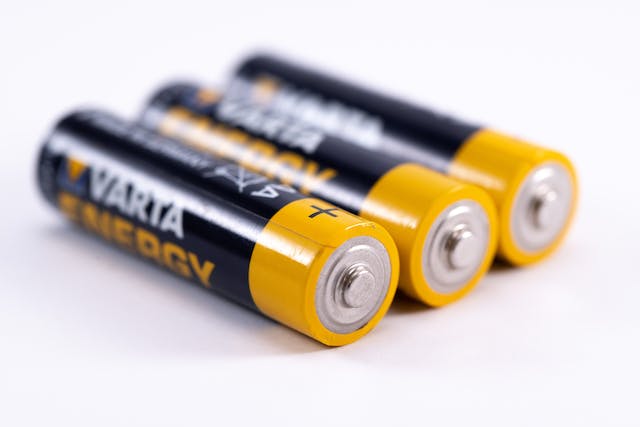
Ingestion of batteries can pose several risks to dogs and cats. Firstly, a blockage of the gut. Secondly, batteries contain a caustic substance. If the batteries are chewed and the substance leaks out, it can cause burns. Speak to a vet immediately if your pet has eaten batteries.
9. Toxic Winter Plants
Mistletoe, ivy, and holly
These plants are all mildly toxic to cats and dogs. Symptoms include vomiting and diarrhoea. The development of symptoms depends on how much is eaten; usually, small amounts have minimal side effects.
Amaryllis
A popular plant that is mildly toxic to dogs and cats. It can cause drooling and vomiting. All parts of the plant contain toxins.
Snowdrops
Usually bloom from January to March. All parts of the plant are dangerous to dogs and cats, especially the bulbs. Symptoms of poisoning include tummy upsets, but signs can be more severe if a large quantity is eaten.
There are many plants that can be harmful to cats and dogs, find out more in our poisonous plant article. Your vet may recommend calling the pet poison line if your pet comes in contact with a poisonous plant.

10. Cold Weather Risks for Dogs & Cats
Frostbite risks
When the weather is extremely cold (close to or below freezing), dogs and cats are also at risk of frostbite or hypothermia.
Smaller breeds are more at risk. Try to limit walks during extreme weather. A warm jumper or jacket can help your pet stay warm.
Heavy rain or snow can affect cats' ability to find their way home in the dark. Find out more about keeping your cat safe in the dark.
Salt & Grit on Pavements
With the freezing weather, grit or rock salt used on the roads can be toxic to dogs and cats.
Rock salt or grit can stick to paws and fur, and when licked off and swallowed, it can make them very ill. It can also cause irritation and damage to their paws.
Make sure to wipe your pet's paws and brush off their fur when they come inside in winter. Or get them a pair of protective boots. Using a soothing balm is beneficial for dogs with sensitive paws.
11. Helping Pets Cope with Fireworks
Fireworks are common during the winter months, especially in the week of New Year celebrations.
The loud noises and sudden bright lights can be extremely stressful for dogs and cats.
Signs of stress in dogs and cats include shaking, restlessness, panting, and destructive behaviour.
There are many different things you can do at home to help dogs and cats with firework anxiety, such using calming plug-ins or supplements. You can read more about this in our firework article.

12. Christmas Pet Wellness
Though parasites are less common in the colder months, they are still present, especially fleas. Keep your pet up to date with parasite preventatives all year round.
Some dogs and cats shed more hair or moult during certain times of the year. This is often completely normal. Abnormal signs to look out for include patches of hair thinning or loss, red skin, rashes, itchiness, or matted hair.
Because of the colder and wetter weather, our dogs and cats might get less exercise over the winter months. This can lead to them putting on weight. Make sure to monitor your pet's weight regularly and speak to a vet if it seems to be suddenly changing.
What to do if your pet eats or drinks something they shouldn't
If your dog or cat eats or drinks something they shouldn’t—especially raisins, batteries, or chocolate—contact a vet straight away. The sooner you act, the better: if it’s been caught quickly (often within about 2 hours), a vet may be able to safely induce vomiting to help remove the toxin before it’s absorbed and reduce the risk of serious effects.
Our Joii Vets are available 24/7, all the way through the holidays. If you’re worried or just want to double-check something, you can chat to them anytime.
Winter FAQs for Dogs and Cats
What temperature is too cold for dogs and cats?
It depends on size, coat, age, and health. Small pets, short-haired breeds, puppies/kittens, seniors, and pets with illness feel the cold sooner—if your pet is shivering, reluctant to walk, or lifting paws, it’s too cold for them.
Can dogs and cats get frostbite?
Yes. Frostbite usually affects ears, tail, and paws. Skin may look pale or grey, feel cold or hard, then become swollen and painful as it warms. Seek urgent vet advice if your pet has these signs.
Is antifreeze really that dangerous?
Yes—antifreeze (ethylene glycol) is extremely toxic and even small amounts can be fatal. If you suspect exposure, go to a vet urgently and bring the product details if you can.
Should I put a coat on my dog in winter?
Often yes for small, short-haired, lean, elderly, or poorly pets. A well-fitting, waterproof coat can help on cold or wet walks—just remove it indoors so your dog doesn’t overheat.
Do indoor cats need extra help in winter?
Many are fine, but older cats or those with arthritis benefit from warm bedding away from draughts, easy access to food, water and litter trays, and gentle heat sources (always safely set up).
Winter Pet Safety Checklist
Keep walks short in icy weather
Dry your pet thoroughly after rain or snow
Rinse and dry paws after walks to remove salt/grit
Use reflective gear for dark mornings and evenings
Never leave pets in a car in winter
Lock away antifreeze, de-icers, and screenwash
Provide a warm, draft-free sleeping spot with thick bedding
Avoid direct heat exposure (fires, radiators, hot water bottles) to prevent burns
Know winter emergencies: suspected toxin exposure, collapse, severe lethargy, persistent vomiting/diarrhoea, or painful swollen paws → contact a vet urgently
Winter Wellness Bundle for Dogs


Winter Wellness Bundle for Cats


Our online vets are available for advice 24 hours a day, every day, even over the festive season.


