


Springtime Risks for Cats: Toxic Plants, Parasites & Outdoor Dangers

Plants
Easter foods
Cleaning hazards
Skin problems
Outdoor hazards
Safety tips
Products in this article

Springtime Risks for Cats: Toxic Plants, Parasites & Outdoor Dangers
Poisonous plants
There are some plants, both indoor and outdoor, that can cause illness in cats. Luckily, most only cause self-limiting tummy upsets, but there are a few that are highly toxic.
-
Lilies are extremely dangerous to cats. All parts of the plant are toxic and symptoms include vomiting, weakness and eventually kidney failure. Grooming lily pollen off their fur can lead to harmful effects too. Given how curious cats can be, the only safe option is to try to make sure there are no lilies around the house, or anywhere your cat has access to.

Lilies are toxic to cats and dogs -
Daffodils: the bulb, plant and flower parts are all dangerous. Drinking the water from a vase of daffodils can also cause illness. Symptoms include vomiting, diarrhoea and tummy pain. Keep these plants out of reach of your cat as much as possible, especially the bulbs.

Daffodils are poisonous to cats and dogs -
Rhododendrons can cause severe illness even in small amounts. Signs of poisoning include vomiting, drooling, tremors and breathing problems. Ingestion of these plants by cats is rare, but a small nibble may be enough to cause a nasty tummy upset.

Rhododendrons are toxic to cats and dogs Other spring plants that can cause mild reactions include spring crocus, tulips, hyacinths, iris, bluebells, and snowdrops. Symptoms include vomiting, diarrhoea, drooling and lethargy, but may be much more severe if a large quantity has been eaten.
With many plants, the bulb is the most dangerous part, as it contains the highest concentration of toxic substances. Cats can bite into these when playing or ingest small amounts.
If your cat has been exposed to a harmful plant, contact a vet immediately, so that the right treatment can be started without delay. Our online vets can provide advice 24 hours a day. You can read more about plants in our poisonous plant article.
Easter foods to avoid
From Easter eggs to delicious Sunday roasts, where are the hazards lurking?
Raisin poisoning is rare in cats, but it is poorly understood, so it’s worth being cautious. Speak to a vet straight away if you think your cat has eaten a raisin. Cream of tartar (tartaric acid) is similarly a concern: if your cat gets any on their fur, prevent grooming and speak to a vet as soon as possible.
Fortunately, chocolate poisoning is uncommon in cats. Dark chocolate is very dangerous, but the bitterness prevents most cats from ingesting significant amounts. Milk chocolate is much less toxic, but the creamy texture and flavour of some products may lead some cats to ingest enough to suffer harm. Your vet can guide you on what could be a dangerous amount for your cat, but in general it’s best to keep cats away from chocolate.
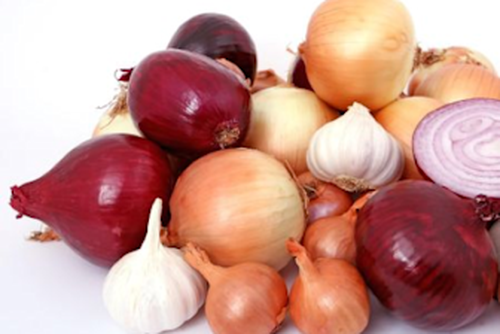
Foods containing garlic, leeks or onions (or their powders) can cause damage to red blood cells. Cats are particularly prone to this problem. The damage can come from one large ingestion, or small amounts repeated over time. Cats should not eat food containing these ingredients.
High fat foods and seasoned foods can be very hard to digest, especially for cats with a history of digestive problems, such as pancreatitis or inflammatory bowel disease. Cats are masterful thieves, but sometimes we need to protect them from themselves! Make sure to keep rich or strongly seasoned foods out of your cat’s reach.
Speak to a vet as soon as possible if your cat has been in contact with any of these foods. Getting treatment quickly is essential for a positive outcome.
Spring cleaning hazards
Embarking on the annual tradition of a spring clean-out? Be cautious!
Ingestion of cleaning products isn’t very common, as most have a strong, unpleasant taste. However, substances such as bleach, oven cleaners, and laundry detergents can make cats unwell. These products may cause stomach upset and significant irritation to the eyes, mouth, and skin. In some cases, there may be no lasting damage, but cats can drool or foam at the mouth for several minutes after licking something with a chemical residue.
Be careful when clearing out toys, make-up, electronics, and any other objects in the house. Cats may end up eating small objects or swallowing pieces of string when they play with them! We call these foreign bodies, and they are usually things that are not toxic but still dangerous, as they may lead to a blockage in the tummy.
Paint and varnish can be harmful to cats, especially if they take more than a few licks. Luckily, it’s not something that happens very often.
Spring skin problems
Just like humans, cats are more prone to allergies in the spring. They can get pollen allergies, though these are not as common as flea or food allergies. Symptoms of allergies in cats include itching, ear infections, sneezing, and red skin.
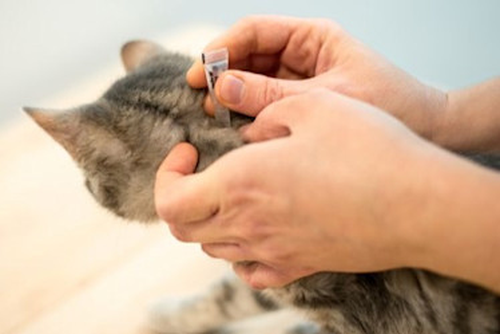
Fleas and worms are common at all times of the year, but they tend to be most active in the spring and summer. Ticks become more common as the weather warms up. Because they can carry disease, it’s important to remove them promptly and safely if you find one on your cat.
Pets can be bitten or stung by ants, bees, mosquitoes, and even spiders. Insect bites and stings are more common as the weather starts to get warmer, and even indoor-only pets are at risk. Most times, these bites resolve on their own in a few days but watch out for swelling, pain or abnormal discharge.
Garden and outdoor hazards
With longer daylight hours and milder weather, both people and their pets naturally spend more time outdoors. While the benefits for wellbeing are clear, it’s important to stay aware of the potential seasonal risks that come with it.
Garden products like fertilisers, weed or moss killers, and lawn feeds vary in toxicity level. Cats may be at risk from eating sprayed plants or grass or drinking from containers. Symptoms can range from mild tummy upset to more severe, such as heart and kidney problems, depending on the ingredients of the product and the amount ingested.
Slug bait pellets may contain metaldehyde, which is extremely toxic to cats. Slug bait is unfortunately appealing to pets and can cause serious symptoms like twitching and seizures. If ingested, it requires an immediate emergency trip to the vet.
Many rodenticides (rat/mouse bait) are also toxic to cats. Ingestion of these can lead to problems with blood clotting, and symptoms include pale gums and rapid or difficulty breathing. Cats can also be at risk if they eat a rodent that has ingested rodenticide, but this is fairly rare.
-
Adder bites are most common in the spring, as this is when the snake emerges from hibernation. Bites tend to occur around the face and paws, and signs include swelling, bruising, pain and vomiting. If your pet is bitten by a snake, take them to the vet immediately.

Slug bait is often blue in colour, highly toxic to pets
Tips to keep your cat safe this spring
If you suspect your pet has eaten something toxic, contact a vet straight away to discuss the next steps. Our online vets are available 24 hours a day for advice.
Don’t leave your cat unsupervised when cleaning or cooking objects are lying around.
Keep anything dangerous or poisonous locked away (indoors and outdoors!) and make sure the rubbish bin is secure.
When selecting garden products, choose a pet-safe one. The same goes for indoor plants or bouquets.
Use regular parasite control (especially for fleas and worms) and check your cat for ticks when they come back from being outdoors.
Keep your pet’s skin healthy and nourished with a balanced diet (and supplements when needed!)
Keep your pet happy and engaged with plenty of mental and physical stimulation—puzzle toys are a fun and effective way to do this!
-
The Pet Poison Helpline is a useful resource to have on hand for emergencies.
Embrace the beauty of spring with your four-legged-friend and make sure you can fully en-Joii it together.
Get reliable advice instantly with our free online Pet Symptom Checker!


