


Blue-Green Algae Poisoning in Cats

Overview
Symptoms
Risk
Diagnosis
Vet treatment
Home treatment
Risk
When to worry

Blue-Green Algae Poisoning in Cats
Blue-green algae poisoning is rare in cats, but it can still happen and may be serious if it does. Blue-green algae are harmful bacteria that grow in warm, stagnant or slow-moving water, most commonly during the summer. Cats are at much less risk than dogs, because they’re less likely to swim or drink from outdoor water sources. However, poisoning can happen if a cat drinks contaminated water, walks through affected areas, or licks algae residue from their fur or paws.
Blue-green algae, also known as cyanobacteria, can produce powerful toxins. If your cat swallows these toxins, they can damage their liver, nervous system and kidneys, sometimes causing severe illness. Symptoms may develop within hours, and the outlook worsens once signs appear. Seek veterinary advice urgently if you believe your cat has been exposed.
What is blue-green algae poisoning in cats?
Blue-green algae poisoning occurs when a cat is exposed to toxic cyanobacteria, usually by:
Drinking contaminated water
Grooming algae residue from their coat or paws
Rarely, from eating prey or objects contaminated with algae toxins
Cats are small, so relatively smaller quantities of toxin can be life-threatening
Once absorbed, the toxins can affect your cat’s liver, nervous system, kidneys and sometimes their skin or mouth.
Where is exposure most likely to happen?
Although uncommon, risk may be higher in cats that:
Roam outdoors near ponds, lakes, canals, reservoirs or flooded fields
Live near farmland or areas affected by sewage or agricultural runoff
Walk through shallow or muddy water during warm weather
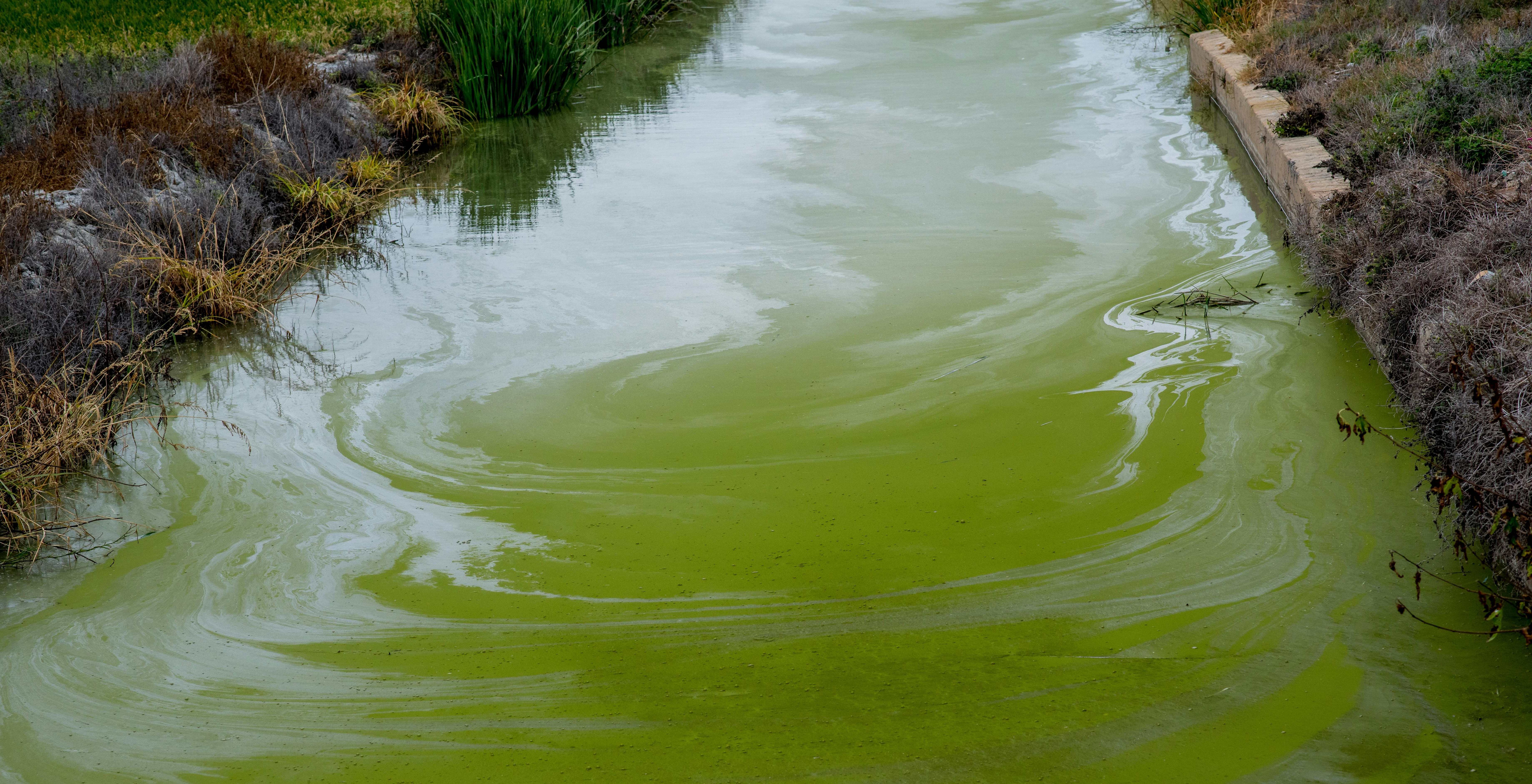
Blue-green algae blooms may appear as:
Green or blue-green scum on the water.
Thick foam or streaks on the surface.
Important! Not all toxic water looks obviously contaminated.
Symptoms of blue-green algae poisoning in cats
Signs vary depending on the type of cyanobacteria involved. Although often vague at first, they can rapidly worsen.
Signs to look out for:
Lethargy, weakness, muscle tremors
Drinking more and peeing more
Seeming disoriented or behaving oddly
Yellow skin or ‘whites’ of the eyes
Having difficulty breathing, seizures, collapse
Itchy, blistered skin
Seek urgent help from a vet if your cat becomes suddenly unwell after possible exposure to contaminated water.
Are some cats more at risk than others?
While all cats are susceptible, those at slightly higher risk include:
Cats who roam outdoors
Cats living near ponds, lakes, canals or land prone to flooding
Cats that groom heavily after being outside
Cats that hunt water-living prey
The risk is minimal for indoor-only cats.
How is blue-green algae poisoning diagnosed in cats?
There isn’t a single test that can immediately confirm cyanobacteria poisoning. Vets diagnose it based on your cat's history of outdoor access and possible exposure to contaminated water, your cat’s symptoms, and a complete physical examination.
Further tests will assess organ health and rule out other causes of symptoms:
Neurological exam: checking nerve reflexes
Blood tests to assess liver and organ function
Urine tests: checking concentration and any abnormal contents
Imaging: abdominal ultrasound
Toxicology tests: specialist tests, where available
How do vets treat blue-green algae poisoning in cats?
There isn’t an antidote or specific cure for blue-green algae poisoning. Prompt veterinary treatment offers the best chance of recovery.
Emergency veterinary care
Decontamination:
Thoroughly rinsing or bathing your cat’s fur to remove algae
Inducing vomiting: an injection to empty the cat's stomach
Feeding activated charcoal: to absorb remaining toxins from the gut
Intensive supportive care:
Intravenous fluids: treating shock and helping to flush toxins out of the body
Medication: supporting organ health and function (liver, kidneys, skin) and controlling seizures where required
Oxygen therapy, if required
Close monitoring and repeat blood tests to check progress
Affected cats are likely to be hospitalised for treatment and monitoring.
How to help your cat after possible exposure
There are no home remedies for blue-green algae poisoning. Survival depends on immediate veterinary care. However, immediate action on your way to the vet and supportive care at home after treatment are vital aspects of recovery. Full recovery may take weeks to months.
Immediate action
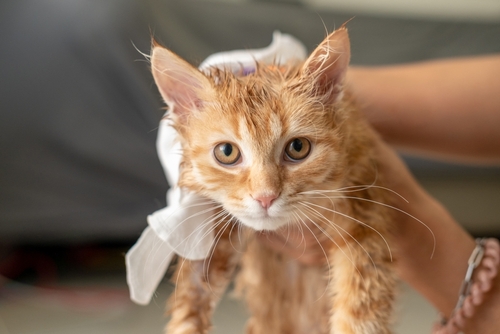
Rinse your cat’s coat and paws with clean water if exposure is suspected
Prevent grooming until your cat is clean: a soft cone is ideal
Contact a vet immediately for advice
Home care after veterinary treatment
Give all prescribed medications exactly as directed
Ensure your cat has constant access to fresh drinking water
Keep your cat indoors during their recovery
Provide a quiet, stress-free environment
Monitor their appetite, behaviour and toileting/litter tray use
Attend all follow-up veterinary appointments
How to reduce the risk of blue-green algae toxicity for cats
Keep cats away from stagnant or slow-moving water
Discourage drinking from puddles, ponds or outdoor containers
Remove standing water from gardens: plant pots, trays, bird baths
Rinse your cat’s muddy paws or fur after they’ve been outdoors
Look out for local warnings about blue-green algae
Ideally, keep your cat indoors where local risks are unavoidable
Report suspected blooms to the local council, Environmental Agency or use the Bloomin’ Algae app
Is blue-green algae dangerous to people?
Blue-green algae toxins can also affect humans through skin contact or accidental ingestion.
Be careful to:
Avoid contaminated water and shorelines
Wash your hands and clothing after outdoor activities
Observe local authority warning signs
When to seek urgent veterinary advice
Contact a vet immediately if your cat:
Becomes suddenly unwell after being outdoors
Vomits, drools or becomes profoundly lethargic
Develops tremors, seizures or odd behaviour
Has pale or yellow gums
Has difficulty breathing or collapses
can help if:
Your cat has vomiting and/or diarrhoea
You’d like advice on seasonal risks for cats


