Fleas are a very common problem for cats. The Big Flea Project, a UK study conducted in 2018, found that 28% of cats examined were infested with fleas. Cats of any age can be affected, including those that live indoors.
Fleas can be difficult to get rid of once they have become established in the home. This is because flea eggs, larvae and pupae can survive in the environment and continue to develop after adult fleas have been killed. Regular use of a suitable flea treatment can help protect your cat and prevent infestations.
What are fleas in cats?
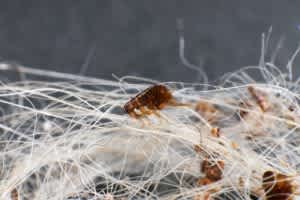
Fleas are small, dark brown, wingless insects that live on the skin of cats and other animals. They feed on blood and can cause itching, skin irritation and, in some cases, more serious health problems.
How do cats get fleas?
Cats can pick up fleas through contact with other animals, including dogs and wildlife. Fleas can also be brought into the home on clothing and footwear or picked up from contaminated bedding, carpets and furnishings. Even indoor-only cats can get fleas.
Adult fleas feed on blood. Heavy infestations can cause significant blood loss and anaemia, though this is more likely in kittens and cats that are young, elderly or unwell.
Fleas can carry tapeworm larvae. Cats can become infected with the tapeworm Dipylidium caninum if they swallow an infected flea while grooming. Find out more about worms in cats.
Fleas are more common during warmer months, but can be present all year round, particularly in centrally heated homes.
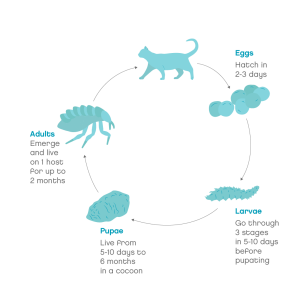
Fleas have four life stages: egg, larva, pupa and adult. In favourable conditions, the lifecycle can be completed in as little as 12–14 days. So infestations can develop quickly.
Adult fleas usually live on animals. Eggs, larvae and pupae are found in the environment, especially carpets, cracks, crevices and pet bedding. Flea pupae can remain protected in their cocoons for several months, and sometimes longer, before emerging as adult fleas.
Some cats develop an allergy to flea saliva. Even a single flea bite can trigger intense itching and skin irritation. This is called flea allergy dermatitis.
Symptoms of fleas in cats
Some cats may have fleas without showing any obvious signs. Others may develop symptoms such as:
Itching, scratching, biting or licking their skin more than usual
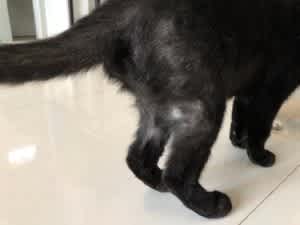
Hair loss, especially around the lower back, tail base and hindquarters
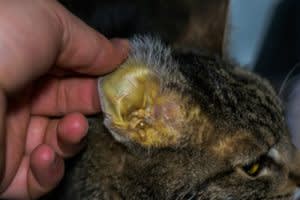
Red, irritated skin, small raised bumps, scabs or sores (usually in cats with flea allergy dermatitis)
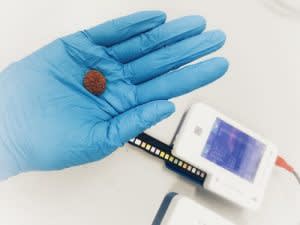
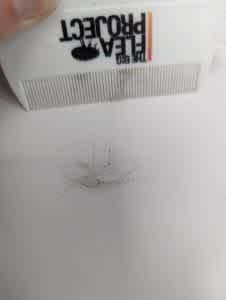
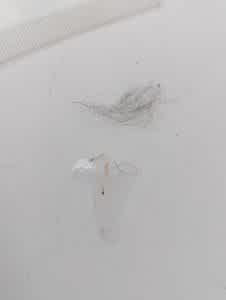
Small black specks on your cat's coat or bedding, known as flea dirt. These are flea droppings and can turn reddish-brown when damp.
Heavy flea infestations can cause blood loss and anaemia. This is more common in kittens and cats that are older or unwell. Contact your vet as soon as possible if your cat has pale gums, weakness or unusual tiredness, as these can be signs of anaemia and need veterinary assessment.

Are some cats more at risk of fleas than others?
Cats of any age, breed or sex can get fleas. However, some factors can increase their exposure or make fleas harder to spot.
Coat type: Fleas may be more difficult to spot in cats with long, thick or dark coats.
Outdoor access: Cats that go outdoors have more opportunities to come into contact with fleas and contaminated environments.
Other household pets: If one pet has fleas, other cats, dogs and rabbits in the household are also at risk. They should all be included in an appropriate flea control plan, if safe to do so.
Indoor-only cats are also at risk because fleas can be brought into the home on other animals, clothing and footwear.
Is my family at risk of catching fleas?
Cat and dog fleas can bite humans, but they don't usually live or reproduce on human skin.
Flea bites often appear as small, red, itchy spots, commonly around the ankles and lower legs.
Scratching the bites can irritate the skin and sometimes lead to a secondary infection.
Speak to a pharmacist or doctor if you are concerned about flea bites.
How are fleas diagnosed in cats?
Fleas can often be diagnosed at home by checking your cat’s coat, although your vet can help if you’re unsure.
Look for live fleas or flea dirt: Fleas are small and move quickly, so they can be difficult to spot. Flea dirt (flea droppings) is often easier to find.
Check your cat's coat: Use a fine-toothed flea comb, especially over the back, base of the tail, tummy and inner thighs.
Try the damp paper test: Comb your cat over a piece of white paper or kitchen roll. If you find small black specks, add a few drops of water. Flea dirt contains digested blood and will leave reddish-brown marks.
Look for other signs: Itching, excessive grooming, hair loss and skin irritation may suggest fleas, particularly if they affect the back and base of the tail.
Not finding fleas or flea dirt does not rule out an infestation. Cats often groom fleas away, and other conditions can cause similar skin problems. If your cat is itchy but you cannot find evidence of fleas, speak to your vet.
Find out more about other causes of itching in cats.
What’s the best treatment for fleas in cats?
Flea treatment involves killing adult fleas on your cat and controlling the eggs, larvae and pupae in the home.
-
Choose an effective treatment: Flea treatments are available as spot-ons, oral medications and collars. Some are prescription-only, while others can be bought without a prescription. Ask your vet for advice if you're unsure which product is suitable.
Choose a cat-specific product: Never use a dog flea treatment on your cat. Some dog products contain permethrin, which is highly toxic to cats and can cause severe poisoning.
Use the correct dose: Choose a product suitable for your cat's age and weight, and follow the instructions carefully.
Repeat treatment as directed: Treatment intervals vary between products. Some need to be applied monthly, while others provide protection for longer. Ask your vet for individual advice based on your cat's age and lifestyle.
Avoid unproven remedies: Flea shampoos and powders may kill some adult fleas but generally do not provide reliable, long-term control. Herbal remedies and essential oils can also be harmful to cats.
Tapeworm treatment: If your cat has a flea infestation, ask your vet whether they also need tapeworm treatment.
Cats with severe itching, skin irritation or flea allergy dermatitis may need additional treatment. Depending on the severity, your vet may prescribe:
Anti-itch medication to relieve itching and inflammation
Antibiotics or other products may be recommended if a secondary skin infection is present
Recommended products


How to get rid of fleas from the household
Most of a flea infestation is found in the environment rather than on your cat. Eggs, larvae and pupae can be hidden in carpets, furnishings and bedding, so treating the home is an important part of flea control.
It can take several weeks, or sometimes a few months, to get an established infestation under control. You may continue to see adult fleas emerging from pupae after treatment has started.
Use a suitable household flea spray if needed. Choose a product designed for use in the home and follow its instructions carefully. Some products kill adult fleas and contain ingredients that prevent eggs and larvae from developing.
Vacuum regularly, paying attention to carpets, rugs, soft furnishings, skirting boards and areas where your cat spends time. Empty the vacuum cleaner and dispose of the contents safely.
Wash your cat's bedding and other washable items they regularly use at the highest temperature permitted by the care label.
Remember to clean areas such as cat carriers, sofas and cars if your cat spends time in them.
Ask your vet about treating other pets in the household with a suitable flea product to help prevent reinfestation.
Important if you have other pets
Some household flea sprays contain permethrin, which is highly toxic to cats. Never apply a household flea spray directly to your cat. Keep cats and other pets away from treated areas for the period stated on the product label, and follow all safety instructions.
Tips on how to prevent fleas in cats
Preventing fleas is generally easier than treating an established infestation.
-
Use regular flea prevention.
Ask your vet which product is suitable for your cat and how often to use it.
-
Check your cat's coat.
Groom your cat regularly and look for fleas, flea dirt or signs of skin irritation.
-
Keep your home clean
Vacuum regularly, particularly around your cat's usual resting areas, and wash their bedding.
Fleas can be brought into the home by other animals, people and contaminated items, so regular prevention may still be needed even if your cat lives indoors.
What to do if you are worried your cat has fleas
Seek help from a vet urgently if:
Your cat is constantly itching, scratching or grooming.
Your cat has significant hair loss, sore skin or widespread skin lesions.
Your cat is a kitten, elderly or unwell and has fleas.
Your cat has mild itching or a minor skin problem.
Your cat has been diagnosed with fleas and you need advice on treating the home.
You want advice on flea prevention or how to apply a flea treatment.
You want to know how to check your cat for fleas.
You need tips on brushing your cat.
Last updated