Itchy skin and skin conditions are common reasons for cats to be seen by a veterinarian. There are many possible causes of itching, including allergies, parasites, infections and other skin conditions.
Some conditions are more common in certain breeds or at different ages, and some cats may need ongoing or lifelong treatment to keep their symptoms under control. If your cat becomes itchy, speak to your vet for advice. Finding and treating the underlying cause can help prevent the problem from getting worse and reduce the risk of self-trauma, hair loss and secondary skin infections.
What to do if your cat is itchy
The right approach will depend on how severe your cat’s itching is and what is causing it.
-
Mild itching:
Your cat may scratch, lick or nibble at their skin occasionally, but the signs are brief and do not significantly affect their comfort or normal behaviour.
Depending on the cause, your vet may recommend measures such as parasite control, dietary changes, skin supplements or topical treatments.
Speak to our Joii vets for advice.
-
Moderate to severe itching:
Your cat may scratch, lick, bite or rub themselves frequently or persistently. The discomfort may affect their normal activities, such as eating, resting or playing.
You may also notice bald patches, sores, scabs or raw, weepy skin.
These symptoms should be assessed by a vet in practice. Your cat may need prescription treatment to control the underlying cause and relieve their discomfort. Contact your local vet as soon as possible to arrange an appointment.

Why is your cat itchy?
There are many different things that can cause your cat to develop itchy skin. Common causes include:
Allergies
Allergies are a common cause of itching in cats and can be split into different categories:
Flea allergy dermatitis: an allergic reaction to proteins in flea saliva following a flea bite.
Food allergies: an allergic reaction to something in the diet, usually a protein source such as beef.
Contact allergic reaction: an allergic reaction caused by direct contact with a particular substance. These can cause itchy, raised bumps or areas of inflamed skin.
Feline atopic skin syndrome: a type of allergic skin disease associated with environmental allergens such as pollen and house dust mites.
Parasites
Parasites are another common cause of itching in cats.
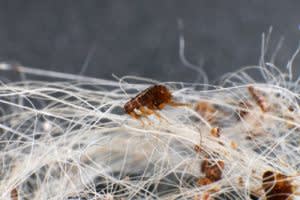
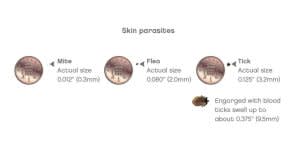
Fleas: one of the most common causes of itching in cats. Indoor cats can get fleas too.
-
Mites:
Demodex and Sarcoptes (mange)
Skin infections
Skin infections can sometimes develop secondary to allergies, parasites or damage caused by scratching and overgrooming.
Bacterial, yeast, or fungal
Ear disease
Ear problems can cause itching, particularly around the ears and head. They may be associated with underlying allergies or caused by other problems, including:
Others
Pain: cats may lick, chew or bite at a specific area when it is painful. This can include acute pain from wounds or longer-term pain such as arthritis.
Wounds or injuries, including cat bite abscesses.
Stress: stress can contribute to overgrooming, particularly following changes to your cat's environment or routine.
When to worry about your itchy cat
Seek urgent help from a vet if:
Your cat is itching, licking, chewing or rubbing themselves frequently or persistently.
Your cat develops severe skin lesions, or the affected areas are widespread.
Your cat is unwell as well as itchy, such as being lethargic, off their food or vomiting.
Your cat has a sudden allergic reaction with breathing difficulties. This is an emergency and requires immediate veterinary attention.
Your cat has a mild itch or has started scratching their ears.
Your cat has a small or localised skin problem.
You have questions about which skin supplements or ear cleaners may be suitable.
You have questions about the most appropriate parasite control for your cat.
You have questions about food allergies or how to carry out a diet trial.
How to prevent your cat from becoming itchy
Use appropriate parasite control: The type and frequency of treatment should be tailored to your cat's individual risk, lifestyle and where they live, rather than using the same treatment for every cat. Your vet can advise on the most appropriate parasite control for your cat.
Keep your cat's environment clean: Regularly wash bedding and clean food and water bowls. If your cat wears a collar, keep it clean and check that it is not causing any irritation.
Reduce potential irritants: Dust and vacuum regularly and avoid unnecessary sprays, air fresheners or perfumes around your cat.
Check your cat's skin and coat: Regular grooming can help you notice changes such as redness, scabs, hair loss or other abnormal areas of skin.
Feed a complete and balanced diet: Choose a diet appropriate for your cat's age and lifestyle. Some diets are specifically formulated to support skin health.
Consider skin supplements: Supplements containing omega-3 fatty acids may be recommended as part of an approach to supporting skin health in some cats.
Create a low-stress environment: Avoid unnecessary changes to your cat's routine and environment where possible. Make sure your cat has access to key resources such as food, water, litter trays, resting places, hiding places and opportunities to play and interact on their own terms. Our stress in cats article has more information.
If your cat becomes itchy, speak to a vet as soon as possible. Early treatment can help reduce discomfort and prevent self-trauma to the skin.
Our Joii team is available 24 hours a day for advice.
Recommended products for itchy cats


How to know if your cat is itchy
The medical term for itching is pruritus. It isn't always obvious when a cat is itchy, they can be secretive about it. Some cats may scratch, while others show less obvious signs such as licking, chewing, biting or rubbing themselves.
You may notice changes to your cat's skin or coat, such as:
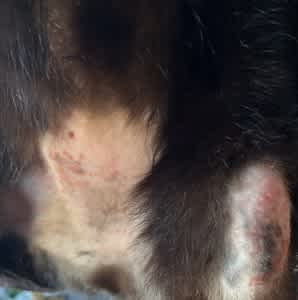
Hair loss or bald patches, often caused by overgrooming
Pink, red or inflamed skin
Darkened or thickened skin, particularly with longer-term skin problems
Scabs, crusts, dry or flaky skin
Rashes or raised bumps
Hives
Sores or bleeding caused by scratching, licking or chewing
Greasy skin, dandruff or increased skin flakes
Signs affecting different areas
Itching can affect different parts of the body. You may notice:
Ear disease: redness, discharge, an unpleasant smell, swelling, head shaking or scratching at the ears
Face and eyes: rubbing the face, watery or red eyes, or holding the eyes closed
Paws: licking or chewing the paws, redness, swelling or sore areas between the toes
Body: excessive licking, chewing, biting or rubbing, particularly if this causes hair loss or skin damage
Tail and bottom: licking or chewing around the tail base or bottom, or scooting
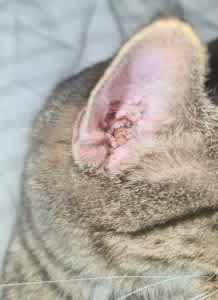
Some cats with allergies may develop characteristic skin lesions, including swollen lips, areas of red and inflamed skin or raised, thickened lesions. These can be associated with a condition called eosinophilic granuloma complex.
Your cat may also show other signs of illness, such as vomiting, diarrhoea, weight loss, pain or lethargy. Speak to a vet urgently if your cat is itchy and showing other signs of illness.
How will your vet investigate itchy skin in cats?
There are many possible causes of itchy skin in cats. Your vet will usually start by taking a detailed history and examining your cat. They may then recommend tests to help identify the underlying cause.
Depending on your cat's symptoms, these may include:
Skin cytology: a sample from the skin examined under a microscope to look for bacteria, yeast or other changes.
Skin scrapes or hair plucks: to look for certain parasites, such as mites.
Flea combing: to check for fleas or flea dirt.
Ear swabs: if your cat has signs of ear disease, to look for yeast, bacteria or parasites.
Skin biopsy: if a specific skin disease is suspected.
Blood and urine tests: if an underlying health problem is suspected or to monitor certain treatments.
A food trial: if a food allergy is suspected. Your vet may recommend a specific diet for a set period to see whether your cat's symptoms improve.
Allergy testing: may sometimes be used to identify environmental allergens, particularly when considering allergen-specific immunotherapy.
Other tests or imaging: may be recommended if your vet suspects another underlying problem.
Vet treatment for itchy cats
Treatment will depend on what is causing the itching and may include:
Anti-itch medications: there are several options available, and your vet will choose the most appropriate treatment based on your cat's symptoms and overall health.
Parasite treatments: appropriate treatment to eliminate parasites such as fleas or mites and prevent reinfestation.
Immunotherapy: a treatment tailored to your cat based on allergy testing. It aims to gradually change the body's response to the allergens identified as relevant to your cat. Not all cats respond to treatment.
Antibiotics or antifungal medication: may be prescribed if an infection is present. Depending on the infection, they may be given as tablets, liquids, injections or topical treatments.
Topical treatments: medicated shampoos, mousses, creams, wipes or other products may be recommended for certain skin conditions.
Treatment for underlying pain or other health problems: if another condition is contributing to your cat's licking or chewing, your vet may recommend treatment for that problem.
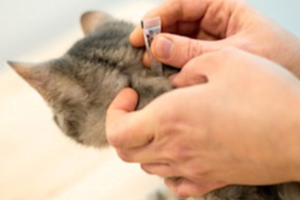
How to help an itchy cat at home
There are some things you can do at home to help keep your cat comfortable, depending on the cause. Speak to a vet to determine the best options for your cat.
Prevent self-trauma: a protective collar or medical pet suit may be used temporarily to help prevent your cat from scratching, licking or chewing affected areas.
Topical products: shampoos, mousses, wipes or gels may be recommended for some skin conditions. Your vet can advise which products are appropriate for your cat.
Clean the ears: ear cleaners may be helpful for certain ear problems. Your vet will recommend what ear cleaners are safe to use.
Skin supplements: Supplements containing omega-3 fatty acids may be recommended to support skin health.
Use an appropriate diet: Feed your cat a complete and balanced diet that is appropriate for their needs.
Be cautious with home remedies: olive oil, apple cider vinegar and coconut oil have limited evidence for treating itchy skin in cats and may irritate the skin or make some conditions worse. Speak to your vet before using them.
Allergies in particular can be challenging to manage and may require a multi-modal approach. This means using a combination of treatments and making changes at home to help control your cat's symptoms.
Allergies
Diet trials: If your vet suspects a food allergy, they may recommend an elimination diet. The trial should follow your vet's recommended duration, and your cat should only eat the recommended diet unless your vet advises otherwise.
Parasite control: Keeping parasite control up to date is particularly important in cats with flea allergy dermatitis. Your vet can advise on the most appropriate treatment for your cat and any other pets in the household.
Reduce exposure to known allergens: If a specific environmental or contact allergy has been identified, your vet may recommend ways to reduce your cat's exposure.
Stress
If stress is contributing to overgrooming, your vet may recommend:
Environmental changes to reduce sources of stress and provide appropriate hiding places, resting areas and resources.
Calming supplements or pheromone products where appropriate.
Support from a qualified behaviourist if needed.
Are some cats more at risk of becoming itchy?
Some cats may be more likely to develop conditions that cause itching. Factors that can increase the risk include:
Flea exposure: Cats that spend time outdoors may have a greater risk of encountering fleas, although indoor cats can also get fleas.
Multi-cat households: Living with other cats can increase exposure to some parasites and may also increase the risk of stress, which can contribute to overgrooming.
Allergies: Cats with allergies may be more prone to recurrent itching and skin problems. Ear disease can also be associated with underlying allergies.
Male outdoor cats: Male cats that spend time outdoors are more likely to develop bite wounds and cat bite abscesses, which can cause localised licking, chewing or irritation.

Last updated