


Are yearly dog vaccinations really necessary in the UK?

Introduction
Are yearly vaccinations necessary?
Vaccination importance
UK dog vaccinations
Annual dog vaccinations
Vaccination schedule
Missed booster
Vaccine alternatives
Conclusion

Are yearly dog vaccinations really necessary in the UK?
Introduction
Do dogs need vaccinations after their puppy ones? How often and which ones? Are they really actually necessary? There is a lot of confusion surrounding puppy vaccination courses, annual boosters and what the reminders from the vets actually mean.
While it is usual for dogs to have annual reminders for vaccination boosters, this does not mean every dog will be given every vaccination each year. Different vaccinations provide protection for different lengths of time, and the appropriate schedule depends on varying factors.
Here we look into which vaccinations are usually annual, which ones generally last longer and why regular reviews remain important for all.
Does my dog need vaccinations every year?
While most dogs benefit from having their vaccination requirements reviewed every year, they do not necessarily need every vaccine annually.
Within the UK, there are two groups of vaccines:
Core vaccinations protect against serious diseases that UK dogs should be protected against, if possible. These are against distemper, adenovirus/infectious hepatitis, parvovirus and leptospirosis.
Lifestyle or non-core vaccines are recommended when a dog's activities or travel increase their exposure risk. These can include kennel cough, rabies, Lyme disease, canine herpesvirus, and a recent addition, leishmaniasis.
Every dog is recommended to have an annual vaccination or preventative healthcare appointment, but receiving every component of every vaccination is rarely needed or recommended.
The vaccinations can be combined for DHP (distemper, infectious hepatitis and parvovirus), as this protection can last three years after the initial course.
Whereas the protection from leptospirosis vaccination is short-lived, a booster vaccination is needed yearly to maintain protection.
Why are vaccinations important?
Vaccines safely prepare the immune system to recognise particular infectious organisms. A vaccinated dog is less likely to become infected or may experience less severe illness, depending on the disease and vaccine.
Not only do vaccinations help protect individual dogs, they also help reduce opportunities for infectious diseases to circulate within the wider dog population, which is beneficial to those dogs who cannot have vaccinations due to young age or health reasons.
High vaccination uptake is one reason diseases such as canine distemper, once common, are now very uncommon in the UK. However, uncommon does not mean eradicated, and continuing appropriate vaccination helps prevent these diseases from becoming more widespread again.
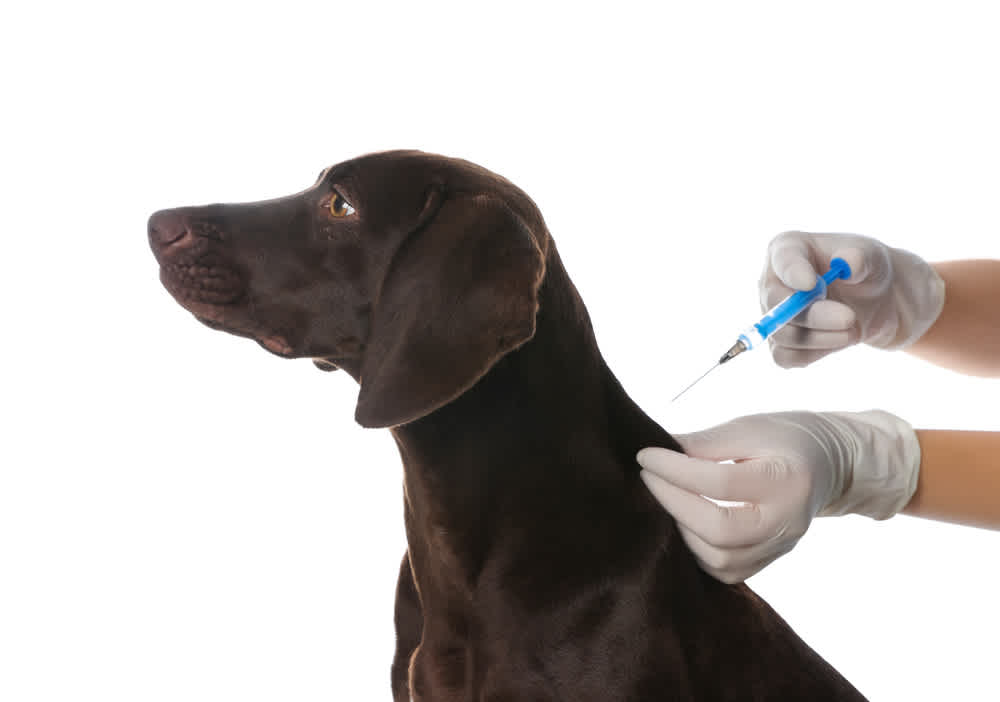
Which vaccinations are recommended for dogs in the UK?
Core vaccinations
These vaccinations should be considered and are usually recommended for the majority of dogs in the UK:
Canine distemper: A serious viral disease that affects the respiratory, digestive and nervous systems.
Canine adenovirus/infectious canine hepatitis: Can cause severe liver damage and systemic illness.
Canine parvovirus: Causes severe vomiting and diarrhoea and can be life-threatening to puppies and unvaccinated dogs.
Leptospirosis: A bacterial infection that can damage the kidneys and liver. It can be spread through infected urine and contaminated environments, often puddles or water contaminated with infected rodent urine. This infection can also affect people.
On your dog’s vaccination card or records, you may see the common abbreviations for each component of protection:
D = distemper
H or A = hepatitis/adenovirus
P = parvovirus
L = leptospirosis
Pi - canine parainfluenza
Vaccination records can show combinations such as DHP, DHPPi, L2 or L4. The number after the L correlates to the number of strains of leptospire they contain and protect against.
Non-core vaccinations
These vaccinations are recommended when a dog's lifestyle, location or travel puts them at an increased risk. These should be decided on through discussion with your vet for your individual dog's best interest.
Bordetella and/or parainfluenza: Commonly referred to as the kennel cough vaccinations, though not always spread in kennels. Should be considered for those that have frequent close contact with other dogs, such as doggy day care, boarding kennels, training classes or shows.
Rabies: Required for dogs travelling abroad and returning to Great Britain.
Canine herpesvirus: Used in particular dog breeding situations.
Leishmaniasis: A newly available vaccine that may be considered for dogs before travelling to endemic areas, alongside sandfly control.
Lyme disease: May be considered for dogs at particularly high risk of tick exposure.
Which vaccinations are given annually?
The vaccinations for distemper, hepatitis/adenovirus and parvovirus are usually given every three years after the initial puppy course. Leptospirosis (and kennel cough if chosen) needs to be topped up every year.
Other vaccinations, such as rabies, should be considered according to the dog’s risk and according to the vaccine used, travel requirements and individual product instructions.
Dog vaccination schedule from puppyhood
Puppy vaccination course
Puppies need a primary vaccination course to establish protection. Antibodies received from their mother can interfere with the immune response to early vaccination, so initial vaccinations are administered as a course rather than just one injection.
Different licensed vaccinations may differ in specific schedules. Most core puppy vaccination courses start at 10 weeks of age and are repeated every two or four weeks until 16 weeks of age. This is followed by another dose at approximately six months or one year.
Adult booster vaccinations
After the initial puppy course and first follow-up booster, adult vaccinations typically consist of:
DHP every three years
Leptospirosis every year
Lifestyle-based vaccinations are reviewed as the dog's circumstances change
Vaccination card or records updated to show which component is due next time
What happens if my dog misses a booster?
Missed boosters are not ideal due to protection being reduced, but it is a common occurrence, and if your pet misses a booster, do not panic. Contact your veterinary practice to get them booked in for a review.
The next steps depend on which vaccine is overdue. Your vet will consider the vaccine product needed, how late the booster is, and your dog's individual history and lifestyle needs. A completely new primary course is not automatically required for every overdue vaccine.
Vaccinations such as those against leptospirosis may require two doses to re-establish protection. Dogs may need to avoid boarding or other high-risk environments while protection is being re-established.
Alternatives to vaccinations
Alternatives to vaccinations are limited. Vaccines are the main way to protect your pet from these diseases and infections.
But there are ways to measure your pet's natural or ongoing protection after vaccination to see if they need a booster or if they are already adequately protected.
Titre testing measures antibodies against particular diseases and may help inform revaccination decisions for those such as distemper, adenovirus and parvovirus. Results are not always a straightforward yes or no measure of protection, but they can help in decision making. Titre testing is not considered a suitable alternative to routine leptospirosis vaccination, and boarding establishments may not accept titre results and instead require documented vaccinations.
Conclusion
Yearly vaccination reviews remain an important part of preventative healthcare, but that does not mean every dog receives every vaccine annually. Your dog’s veterinary team can review their health, lifestyle and vaccination record to decide which boosters are due and create a schedule that provides appropriate protection.
If you are unsure whether your dog is overdue or which vaccinations they need, speak to one of our Joii vets for individual advice on what you should look into for your pet.


