


Itchy ears: Preventing minor irritations from turning into major problems

Why dog ears are so prone to trouble
Common Causes of Itchy Ears in Dogs
Prevention: easier, kinder, cost-effective
Choosing the right ear cleaners
How to clean your dog’s ears safely
A calm, methodical approach can prevent lifelong misery
Products in this article

Itchy ears: Preventing minor irritations from turning into major problems
If your dog has ever developed itchy ears, you’ll know how quickly it can take over their world- and yours.
Ear irritation isn’t just a mild annoyance for dogs. It can be intensely uncomfortable. Your dog’s ear canals are lined with sensitive nerve endings, so even mild inflammation can cause intense misery. And unlike us, dogs can’t describe what they’re feeling, where it hurts or apply a soothing ointment exactly where it’s needed. All they can do is shake, scratch and rub - which often just makes inflammation worse and starts a maddening cycle of irritation.
The good news? With early, sensible care and the right ongoing approach, most ear problems can be managed effectively. And many can be prevented!
Let’s take a look at why dogs suffer from itchy ears in the first place. And how to stop a small niggle turning into a painful, expensive ordeal.
Why dog ears are so prone to trouble
A dog’s ear canal is very different from ours. Instead of being short and fairly straight, it’s shaped like an “L”.
That means that inside the ear there’ll be:
Little airflow
Increased warmth
Increased moisture
Trapped wax and debris
Add in some long floppy ear flaps, dense hair, narrow ear canals (depending on breed) or (and!) a water-mad swimmer… and you’ve created a perfect, cosy environment for yeast and bacteria to thrive.
When your dog’s ear canal starts to get inflamed, it produces more wax. That wax traps moisture. Yeast love moisture. Bacteria follow. Infection develops. Misery follows. And more inflammation, more wax, more misery.
Left untreated, the cycle will continue:
Itch → scratching, shaking and rubbing → inflammation → infection → more itch and pain
In severe cases, constant head shaking can even cause an aural haematoma. This happens when shaking bursts a blood vessel in your dog’s ear. The blood can’t go anywhere, which results in a swelling that needs to be drained by a vet and sometimes needs surgery.
In extreme, chronic infections, there’s also a risk of damage to your dog’s eardrum, with the spread of infection into deeper tissues that are even harder to treat.
Common Causes of Itchy Ears in Dogs
1. Ear anatomy and breed
Breed characteristics and individual traits that predispose some dogs:
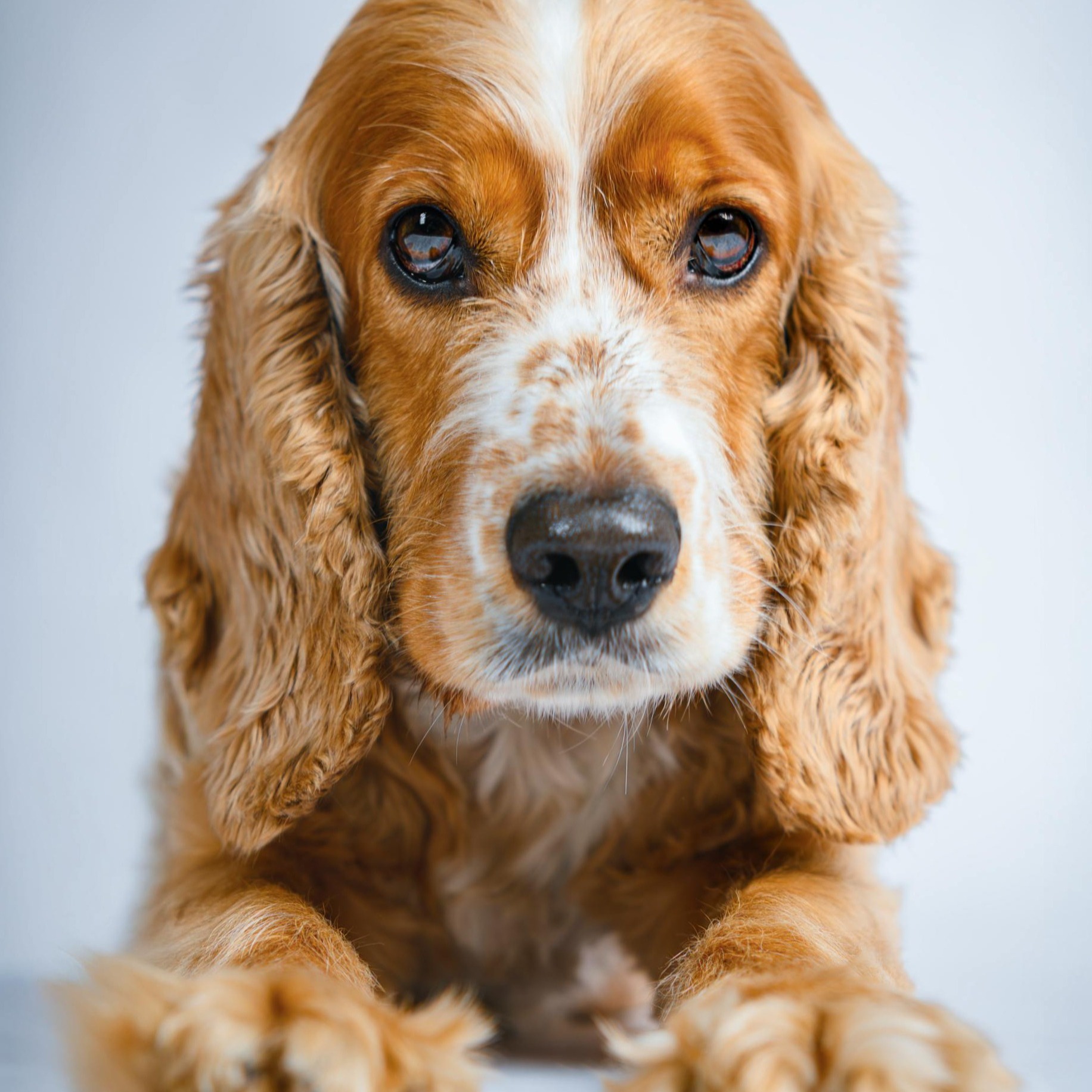
Long floppy ears: Spaniels, Basset Hounds, Labradors
Hairy ear canals: Poodles, Schnauzers
Narrow canals
Dogs that naturally produce a lot of wax
These dogs need their ears regularly checked and cleansed.
2. Yeast build-up and bacterial overgrowth
A warm, moist ear is the ideal home for yeast. When yeast overgrows, bacteria soon join in. That’s when you’ll notice:
Smell
Discharge
Redness
Pain
Early intervention in the form of gentle, effective cleansing can prevent this!
3. Allergies - a common and under-recognised issue
Ear disease is often part of wider skin issues. Because the ears are so predisposed to irritation and itch, food allergies and environmental allergies (atopy) will often show up first in your dog’s ears.
This is why taking a look at your dog’s diet early on is so important. A proper veterinary-advised diet trial may feel like a bit of a challenge, but if food is the trigger, discovering that early can save your dog a lifetime of itching. And save you years of repeated, frustrating and expensive vet visits and treatments.
When ear infections keep coming back, we need to do more than just repeat the treatment. We need to ask why it’s happening.
4. Ear mites and creepy crawlies
Ear mites are especially common in:
Puppies
Dogs living with outdoor cats
Dogs that mix closely with other animals
Outdoor adventurers
These nasty little creepy crawlies make dogs' ears intensely itchy, and you’ll find lots of dark discharge and debris at the opening of their ear canals.
Important: Ask your vet about prescription parasite control that’s effective against ear mites for simple, effective control. Prescription spot-on treatment is often the most reliable option (especially in wriggly puppies!)
5. Resistant infections
Occasionally, a stubborn or resistant bug takes up residence in your dog’s ears. Unfortunately, that may result from using antibiotics repeatedly or inappropriately. Combination antibiotic and steroid drops may bring rapid relief to your dog’s first itchy ear issue, but over-treating or using the wrong product can disrupt their ear’s natural bacterial flora, creating major long-term problems.
This is why it’s essential to work with your vet for a methodical, planned and effective approach.
Prevention: easier, kinder, cost-effective
Preventing ear problems is far easier than treating chronic ear disease. But prevention does not mean over-cleaning.
Dogs’ ears have a natural balance of healthy microorganisms. Scrubbing daily or using harsh treatments unnecessarily can do more harm than good.
A balanced approach:
Routine checks: inspect your dogs weekly or after swimming
Gentle cleaning when needed: tell-tale signs of debris in the ear canal
Prompt treatment at first signs of trouble: the presence of a yeasty smell, more waxy discharge around the ear canal and slightly reddened skin
Identifying underlying causes: ear anatomy, mites, lifestyle - talk to a vet if unsure
Dogs who swim regularly, have floppy ears or are prone to build-up of wax will benefit from regular gentle ear cleaning every week or two.
Choosing the right ear cleaners
A good quality ear cleaner helps remove wax and support the natural ear environment.
Some examples include:
Otodine Ear Solution: helps remove wax and offers antimicrobial protection.
Nextmune Otoact: excellent for gently breaking down a heavy build-up of wax.
Douxo Gentle Ear Cleaner : perfect for mild routine ear hygiene.
Check in the Joii store for the full range of options to meet your dog’s needs.
Want to dive deeper? Here are some helpful guides:
How to clean your dog’s ears safely
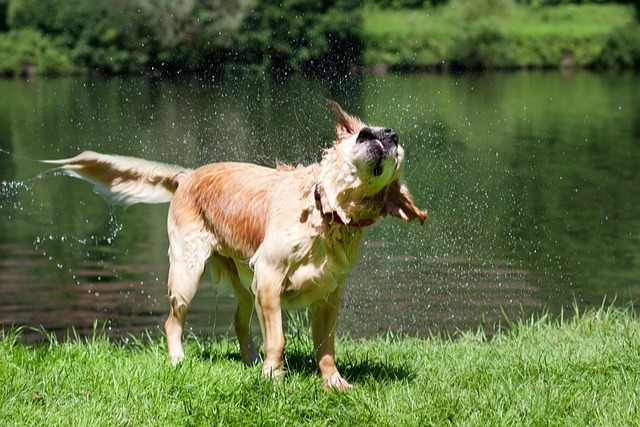
Preparation is everything. Because the moment you let go, your dog will shake like a particularly mucky sprinkler system.
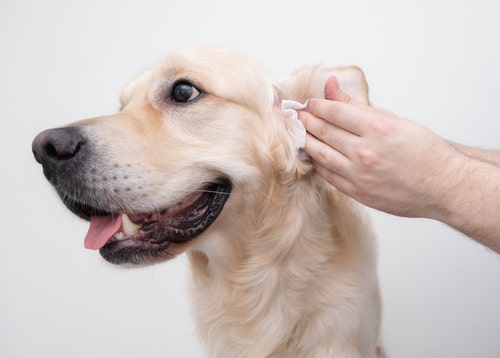
Get everything ready first: ear cleaner, cotton wool - all within reach.
Gently hold the ear flap up to open the canal.
Squirt a few drops of cleaner into the ear canal. The nozzles are usually soft and pliable, designed to help you get the drops into the ear canal.
Massage the base of the ear between finger and thumb for 1–2 minutes. You should hear a soft squelching sound. This breaks down wax and lifts debris.
Keep the flap loosely closed while you grab cotton wool (unless you fancy redecorating).
Wipe away debris from the ear opening.
Repeat this once or twice daily if treating an active problem.
For maintenance, clean every 1–2 weeks if needed.
Important:
Do not use cotton buds.
Do not poke anything into the ear canal.
Stop if your dog seems painful and seek advice.
A calm, methodical approach can prevent lifelong misery
Itchy ears aren’t just irritating. They’re exhausting and distressing for your dog - and frustrating for you.
The key principles:
Treat early
Clean appropriately
Don’t overuse antibiotics
Consider a diet sooner rather than later
Address parasites properly
Seek veterinary advice if infections keep coming back
If they’re handled properly, most ear problems resolve quickly and stay that way. But if they’re left untreated, or if the problem is repeatedly ‘patched up’ without addressing the underlying cause, they can become a frustrating cycle of discomfort, expense and poorer quality of life.
Your dog doesn’t have to live with itchy ears. And you don’t have to accept recurring flare-ups as inevitable. With early thoughtful interventions and a focus on prevention, you can spare your dog a lot of ongoing misery and save yourself some long-term stress and cost.
Healthy ears are comfortable ears. And a comfortable dog is a much happier companion.


