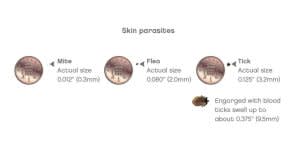
In this article, we discuss atopic dermatitis, a skin condition associated with allergies to environmental substances. Skin allergies can occur at any age, but signs of atopic dermatitis often start between 1 and 3 years of age.
Atopic dermatitis is also known as atopy or environmental allergic skin disease. It occurs when a dog has an allergic reaction to substances in their environment. These can include pollen, house dust mites and moulds. Dogs with atopic dermatitis often need lifelong management, but with the right treatment plan, most can have a good quality of life.
What is atopic dermatitis in dogs?
Atopic dermatitis is a chronic, itchy skin disease associated with an abnormal immune response to environmental allergens.
In dogs with atopic dermatitis, exposure to allergens triggers an exaggerated immune response and inflammation in the skin.
This inflammation, along with other changes in the skin, causes the main sign of atopic dermatitis: itching.
Dogs with atopic dermatitis often have an impaired skin barrier.
Scratching, licking and chewing can damage the skin and increase the risk of secondary bacterial or yeast infections.
There is a genetic component to atopic dermatitis.
Atopic dermatitis can be seasonal in some dogs, particularly if they are sensitive to allergens that are more common at certain times of the year, such as pollen.
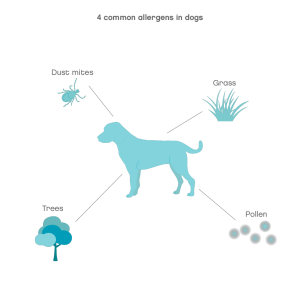
Common environmental allergens include pollen from grasses, trees and weeds, as well as house dust mites and moulds.
Other common allergic skin diseases in dogs include food allergies and flea allergy dermatitis.
Environmental and food allergies can cause very similar skin symptoms, so they can be difficult to distinguish based on signs alone.
Dogs can have both food and environmental allergies.
Atopic dermatitis cannot be cured, but it can usually be managed with an appropriate long-term treatment plan. Our Joii team is available 24 hours a day for advice.
Symptoms of atopic dermatitis in dogs
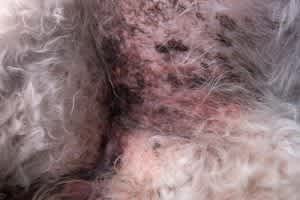
Itching is one of the main signs of atopic dermatitis in dogs. It can be severe enough that dogs excessively lick, scratch, or chew their skin leading to trauma of the skin. Skin changes can occur anywhere on the body but are commonly found on the paws, tummy, inner legs, ears, and face.

Signs of skin allergies include:
Excessive licking, scratching or chewing
Red, inflamed skin
Hair loss or broken hairs
Small whitehead spots, red bumps, a rash, crusts, and scabs
Thickened or darkened areas of skin, more common if the condition has been present for a while
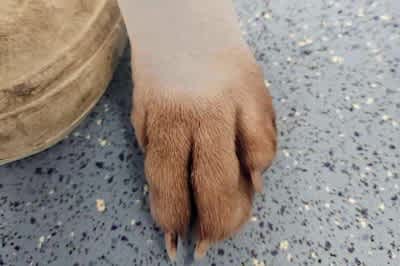
Brown or reddish saliva staining caused by repeated licking, particularly on the paws
Unpleasant odour from the skin
Interdigital cysts on the paws
Recurrent skin and ear infections can be an important clue that your dog may have an underlying allergy. Repeat anal gland problems can also be associated with allergies.
Are some dogs more at risk of atopic dermatitis than others?
Any dog, regardless of breed, sex or age, can develop atopic dermatitis. However, some dogs are more prone.
Risk factors include:
Genetics: Some dogs may inherit a predisposition to developing the condition.
Breed: Some breeds are more commonly affected, including Labrador and Golden Retrievers, West Highland White Terriers, French Bulldogs, Boxers, Shar Peis, German Shepherd Dogs, and Pugs.
Age: Signs usually begin when dogs are young, between 6 months and 3 years of age.

Is my family at risk of catching atopic dermatitis?
Atopic dermatitis in dogs is not contagious to humans or other pets in the household.
How is atopic dermatitis diagnosed in dogs?
Environmental allergies in dogs can be complex to diagnose. The signs of atopic dermatitis can be similar to those of other skin conditions, so your vet will work through the possible causes systematically. Atopic dermatitis is diagnosed by ruling out other common causes of itching, rather than by a single test.
A thorough examination is important as the first step. Your vet will look at which areas of the body are affected, how severe the skin changes are, when the symptoms started, whether they are seasonal, and whether your dog has been receiving regular parasite prevention.
1. Skin tests
Your vet may recommend tests to look for parasites and secondary infections:
Skin scrapes to check for mites such as Sarcoptes and Demodex (mange).
A flea comb to check for live fleas and flea dirt.
Skin cytology to check for bacterial or yeast overgrowth.
Further tests, such as a skin biopsy or hair examination, may be recommended.
2. Checking for food allergies
If your vet suspects a food allergy, they may recommend an elimination diet trial.
A hydrolysed or novel-protein diet is fed for at least 8 weeks to assess the response. All other foods and treats should be avoided during the trial.
Hydrolysed diets contain proteins that have been broken down into smaller pieces, making them less likely to trigger an immune response.
3. Allergy tests
Blood or skin tests can identify sensitivity to certain environmental allergens. However, these tests cannot diagnose atopic dermatitis on their own. They are mainly used to help identify relevant allergens when allergen-specific immunotherapy is being considered.
4. Checking the ears
Dogs with atopic dermatitis commonly develop ear problems. Your veterinarian may:
Examine the ear canals using an otoscope.
Take an ear swab to look for bacteria or yeast if an ear infection is suspected.
Further ear tests may be recommended based on the severity of the symptoms.
5. Other tests
Your vet may recommend blood, urine or other tests if your dog's symptoms or exam suggest another underlying condition, such as diabetes.
What’s the treatment for atopic dermatitis in dogs?
Treatment for atopic dermatitis usually involves a multi-modal approach. There is no single treatment that works for every dog, so your vet may recommend a combination of treatments and adjust the plan over time to find what works best for your dog.
Anti-itch and anti-inflammatory medication
Your dog may need prescription medication to manage their itching, depending on its severity. There are several prescription medication options to help reduce itching and inflammation. Your vet will choose the most appropriate option based on your dog's symptoms, other health conditions and individual circumstances.
Topical treatments: Medicated sprays, creams, and leave-on foams containing corticosteroids or ingredients that support the skin barrier may be used for localised areas of inflammation.
Oral medications: Options include JAK inhibitors such as oclacitinib and ilunocitinib. These medicines work by blocking signalling pathways involved in itch and inflammation and can provide rapid relief. Short courses of oral corticosteroids may also be used in some cases, although they may have a higher risk of side effects. Other oral immunomodulating medicines, such as ciclosporin, may be used for longer-term control, but these take several weeks to reach their full effect.
Injectable treatments: Long-acting injectable treatments, such as lokivetmab, can help control itching. These are useful for dogs that are difficult to medicate by mouth, or if oral medications aren't suitable.
Your veterinarian may use one or a combination of these treatments depending on how severe your dog's symptoms are and how they respond to treatment.
Treatment of secondary skin infections
Secondary infections are common in dogs with atopic dermatitis and may need to be treated alongside the underlying allergy.
Depending on the type and severity of the infection, treatment may include medicated shampoos, wipes, creams or other topical treatments.
Oral medication may be needed for some infections.
Antibiotics or antifungal medication may be prescribed when appropriate.
Regular parasite prevention is important, as flea bites can make allergic skin disease worse.
Allergen-specific immunotherapy
Allergen-specific immunotherapy may be recommended for some dogs. It is used to gradually desensitise the body to different allergens.
Treatment is tailored for each patient.
It can take several months to have an effect but it may reduce the need for other treatments.
Side effects are uncommon with this treatment, but your vet will discuss the potential risks.
Ear infections
Ear disease is common in dogs with atopic dermatitis. It may need treatment, such as:
Ear cleaners to remove excess wax and debris, help keep the canals healthy and to treat mild infections.
Medicated ear drops may be prescribed to treat certain ear infections.
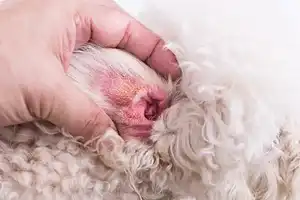
Antibiotics are not needed for every skin or ear infection. Where possible, antibiotics are used only when they are needed, as unnecessary use can contribute to antibiotic resistance.
Other treatments
Your vet may also recommend:
A diet formulated to support skin health
Nutritional supplements to support skin health
Soothing skin products, such as wipes or mousse
Appropriate parasite prevention and treatment
How to look after a dog with atopic dermatitis at home
Atopic dermatitis is a long-term condition that usually needs ongoing management. Some dogs have symptoms throughout the year, while others have periods when their symptoms improve or flare up, sometimes seasonally.
A multi-modal approach combines different strategies to keep your dog's itching and skin inflammation under control. Alongside treatments recommended by your vet, ongoing care at home can help reduce flare-ups and keep your dog comfortable.
At-home recommendations include:
Keep your dog up to date with appropriate parasite control. Speak to your vet about what parasite control to use and how often, as it depends on your dog's lifestyle and age.
Feed your dog a complete and balanced diet that is appropriate for their individual needs. If your vet suspects a food allergy, they may recommend a specific elimination diet.
If a specific environmental allergen is suspected to trigger your dog's symptoms, try to reduce their exposure where possible. For example, avoid walking through long grass during periods of high pollen or wipe your dog's paws after walks. Regularly vacuum and clean your home if house dust mites or other indoor allergens are suspected.
Omega-3 fatty acid supplements may be recommended as part of your dog's treatment plan to support skin health. Speak to your vet before starting a supplement.
Medicated shampoos, mousses and wipes can help support the skin and may be recommended to manage infections or reduce allergens on the skin. Use products recommended by your vet, particularly if your dog's skin is sore or infected.
Regular ear cleaning may be advised if your dog is prone to ear problems. Your vet can recommend an appropriate ear cleaner and show you how to use it safely.
It’s always best to seek vet advice if your dog shows signs of being itchy. Your vet can help identify the underlying cause and recommend treatments and home-care measures that are suitable for your dog.
Recommended products


Tips on how to prevent atopic dermatitis in dogs
Unfortunately, atopic dermatitis cannot usually be prevented. However, there are steps you can take to help reduce flare-ups and prevent complications:
Keep all household pets up to date with appropriate parasite prevention, particularly flea prevention. Flea bites can make allergic skin disease much worse.
Keep your dog's bedding clean and wash their collar regularly. Regularly cleaning food and water bowls can also help maintain good hygiene.
Vacuum and dust your home regularly. If your dog is sensitive to indoor allergens such as house dust mites, your vet can advise you on ways to reduce exposure.
Feed your dog a complete and balanced diet that is appropriate for their age and lifestyle.
Some dogs may benefit from regular bathing or medicated shampoos to help keep their skin healthy and remove allergens from the coat. Follow your vet's advice, as bathing too often or using unsuitable products can irritate the skin.
If your dog is prone to ear problems, regular ear checks and cleaning may help prevent infections. Ask your vet whether regular ear cleaning is appropriate and which product to use.
Brush your dog regularly and check their skin and coat for changes such as redness, sores, hair loss or lumps.
When you should be worried about atopic dermatitis in dogs
Arrange an urgent vet visit if:
Your dog is severely itchy or showing signs of pain
Your dog's skin is very red, swollen, bleeding, oozing or has a strong unpleasant smell
Your dog has thickened, swollen ears or a head tilt
Your dog's skin signs are getting worse quickly
Your dog seems unwell, lethargic or has a reduced appetite
Speak to one of our Joii vets if:
You want to find out how to do a food trial
You want advice on managing your dog's skin allergies at home
You want to know what skin supplements may be suitable for your itchy dog
You have questions about parasite control for your dog
You want advice about your dog's ongoing treatment or how to reduce flare-ups
Last updated