


Corns in dogs

Overview
Symptoms
Risk
Diagnosis
Vet treatment
Home treatment
Prevention When to worry

Corns in dogs
Corns on dogs’ pads are hard growths of thickened skin, like tiny stones embedded in the pad. They’re a common cause of pain and lameness in Sighthounds, reported to affect up to 5.9% of pet Greyhounds. Corns most commonly affect active adult dogs exercised on hard surfaces. Untreated corns will get progressively worse, possibly becoming split and/or infected over time.
A corn or ‘keratoma’ is a benign but painful lump of abnormally thick skin on your dog’s pad. Corns form when there is excessive pressure or rubbing over bones in the foot. Sighthounds are particularly prone to corns because they have long, narrow feet, with very little natural ‘cushioning’ between their bones and the overlying skin. Corns are painful to walk on, cause chronic lameness and may affect more than one limb. Traditional treatments that rely on scraping out the corn or softening it provide immediate, but temporary relief and recurrence within a year is common. Alternatively, vets can perform a simple operation to ease abnormal forces in the foot, bringing lasting cure and comfort to affected dogs.
What are corns in dogs, and why do they form?
Corns are cone-shaped growths of abnormally thickened skin that develop in the pads of affected dogs.
Usually caused by repetitive mechanical trauma: Thickened skin forms due to constant pressure and rubbing from underlying bones and repeated injury.
90% of corns develop in pads of toes that bear most weight: The third and fourth digits (counting from the inside and including the dew claw).
Corns mainly affect front feet: Forelimbs bear 60% of your dog’s weight.
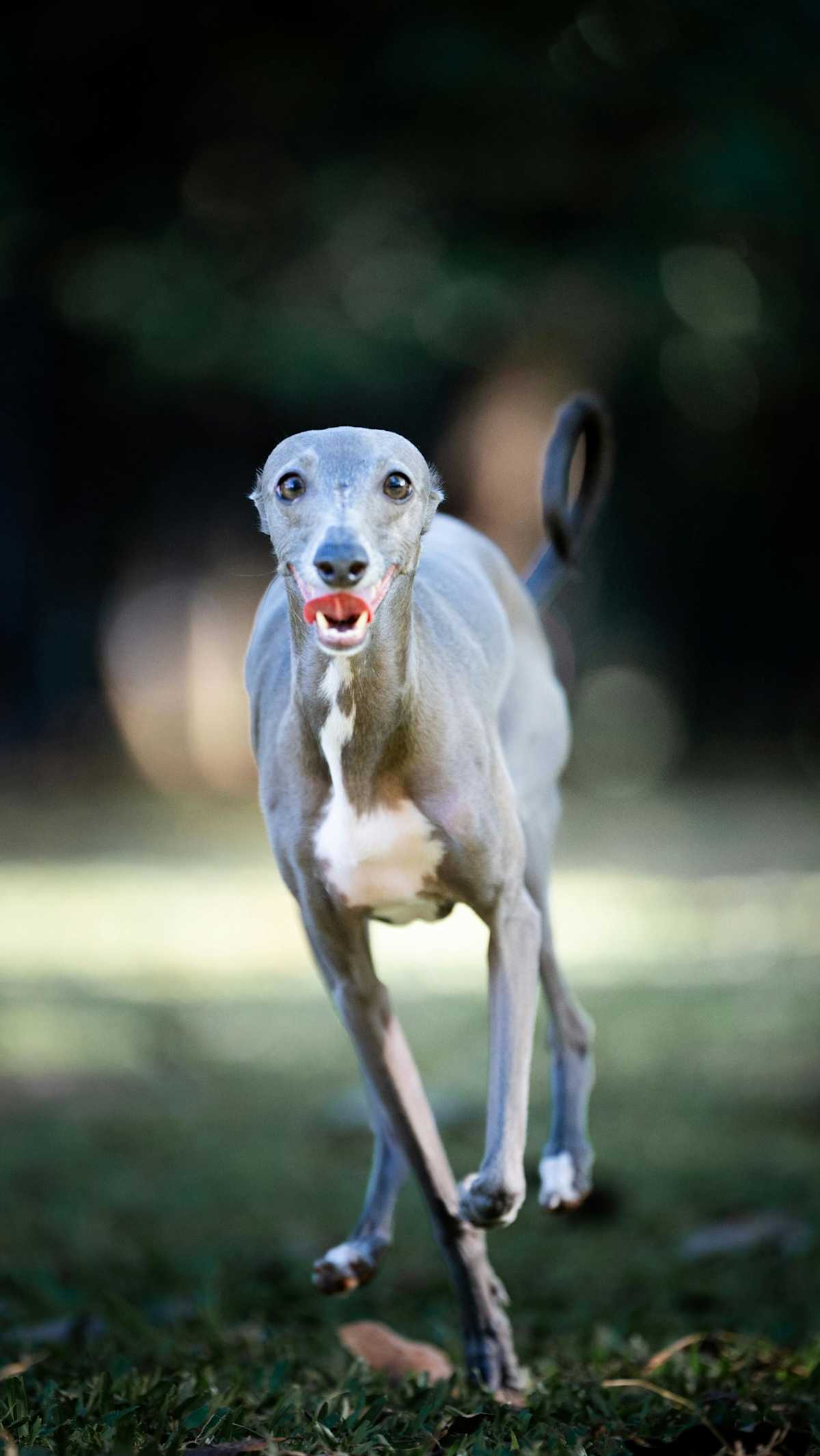
Corns are common in Sighthounds: Breeds with long, slender feet, naturally thin skin and less cushioning in their paw pads than other breeds.
Corns get progressively worse: The build up of hard skin continues over time, worsening abnormal pressure and weight bearing in the paw and creating a vicious cycle.
Anything that changes your dog's gait can cause corn formation: Broken bones, dislocated toes, and toe amputations.
Symptoms of corns in dogs
For us humans, walking on a corn feels as if you're walking with a sharp little stone in your shoe. Except your dog can’t shake this stone out, resulting in:
Pain on pressure over the corn, especially when walking on hard surfaces.
Progressively worsening limping, chronic and severe, your dog may hold the affected paw up.
Low mood, loss of interest in exercise, and increased licking or chewing of the affected paw(s).
Possible infection, where signs include swelling, discharge, heat in the paw, and worsening discomfort.
Corns may affect more than one foot. This makes specific lameness harder to diagnose in the early stages.
What factors increase the risk of corns in dogs?
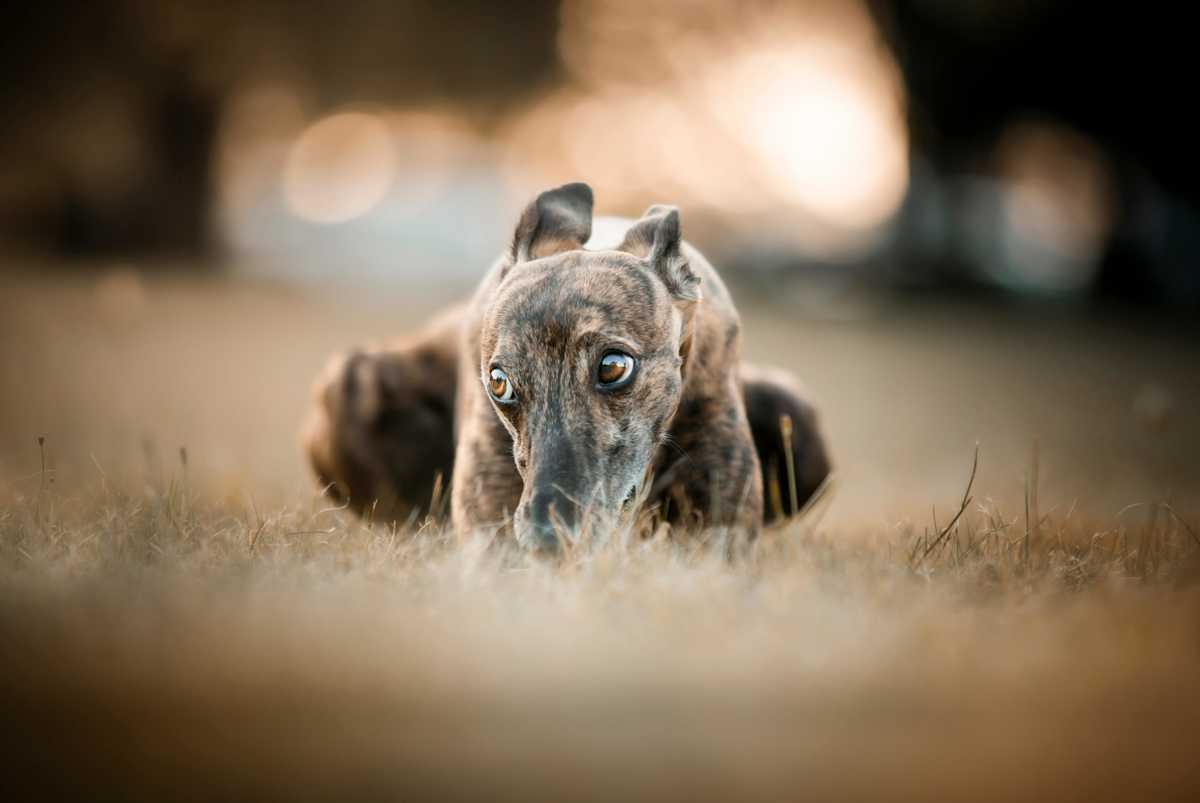
Corns almost exclusively affect Greyhounds and related breeds. In other dogs, they sometimes develop because of old injuries or previous operations on the foot.
Certain breeds: Greyhounds, Whippets, Lurchers, and Salukis
Gender: Some surveys suggest corns are more common in male dogs
Age: Adult dogs, usually over 2 years old
Trauma or inherited abnormalities: Any factor that affects weight-bearing in the foot, such as previous fractures, toe amputations, or dislocations
Retired racing Greyhounds: a consequence of repeated high-impact stress on the feet
How do vets diagnose corns in dogs?
Vets will usually diagnose corns based on the symptoms and findings of a physical examination:
History of chronic, progressive limping that doesn't get better with rest or painkillers, especially in a susceptible breed
Presence of a circular area of very hard skin, usually on one of the 2 central pads
Pain when pressure is applied directly to the pad(s)
Rarely, imaging (x-rays) or biopsy
How do vets treat corns in dogs?
Traditional treatment aims to provide relief by easing pressure in the pad:
Hulling: A non-painful procedure using a special tool to scoop out the core of the corn
Softening treatments: Emollients to soften the keratin (hard skin)
Surgical removal: Cutting out the corn completely, under general anaesthetic
These procedures are straightforward, but without addressing the underlying problems, the corn is likely to recur within a year.
A newer procedure relieves abnormal pressures in the foot, offering a more lasting cure than traditional approaches.
Tenotomy/tendonectomy: Treats the corn by cutting the tendon that makes the toe curl, which brings about an immediate reduction in pressure on the affected pad. The painful corn will grow out naturally over the coming weeks. The relief of pressure means it's unlikely to recur.
Toe amputation is a last resort, where other treatments fail to provide lasting pain relief.
Home remedies and support for dogs with pad corns
Home remedies may help to provide temporary relief, but are unlikely to effect a cure:
Soaking and softening: Soaking paws in Epsom salts for 10 minutes twice daily helps to soften the corn.
Paw balms and emollients: Used regularly, these help keep the pad soft and reduce pain.
Filing: Once softened, the corn can be filed down with a pumice stone.
Protective footwear: Special dog boots to reduce pressure and improve comfort on walks.
Exercising on soft ground: Reduces discomfort and may increase willingness to walk.
Prevention of corns in dogs
Steps to reduce the risk, especially in vulnerable breeds:
Keep your dog at a healthy weight and body condition score
Wherever possible, exercise your dog on soft ground
Use pad emollients and moisturisers, such as paw balms and Vaseline
Trim nails when required to preserve normal weight-bearing
When to worry about corns in dogs
Corns cause severe pain and a significant impact on your dog’s quality of life. Always seek advice from a vet if your dog develops persistent lameness or licking/chewing a paw.
Seek urgent help from a vet if:
Your dog is taking no weight on a limb
Walking becomes intensely painful for your dog
Signs of infection develop: heat swelling, bleeding, redness, and discharge between the toes
The corn changes rapidly: growing in size, becoming raised
Corns develop on multiple pads or feet
Treatment has failed to relieve painful symptoms
Reach out to a vet now if you have any concerns about lameness or your dog’s pads. Joii vets are available online 24/7.


