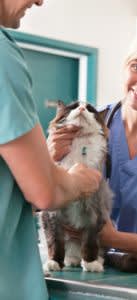
If you are reading this because your cat has just collapsed, please contact your vet or nearest emergency practice immediately. Persistent collapse, unresponsiveness, or breathing difficulties require urgent in-person care.
Even if your cat has got up and seems normal now, it is important to contact your vet to have them checked.
Having your cat collapse can be worrying to see, and while collapse is not a condition in itself, it is a symptom with several possible causes. Unfortunately, some of these causes can be life-threatening, so prompt veterinary care is important.
What does collapse in cats look like?
Collapse is when a cat suddenly loses the ability to support their weight. It may involve their legs buckling or the cat falling completely.
Collapse does not have to include losing consciousness; many cats remain conscious during a collapsing episode.
Collapse can mean several types of falls or episodes, so make sure to explain exactly what happened when describing the event to your vet.
Is collapse the same as fainting or a seizure?
Collapse, fainting and seizures can look similar, but describe different events. Your cat’s awareness, movements and recovery can help your vet understand what happened.
Collapsed but conscious: Your cat may fall or become unable to stand while still responding to your voice. They may drag their back legs or cry out in pain. Sudden leg weakness can sometimes be caused by a blood clot and needs emergency care, even if your cat remains alert.
Fainting, or syncope: A brief loss of consciousness caused by reduced blood flow to the brain. Your cat may go limp, sometimes with brief twitching, then recover relatively quickly.
Seizures, or fits: Abnormal electrical activity in the brain may cause falling, stiffness, jerking or altered awareness. Afterwards, your cat may seem confused, restless or sleepy, with a slower return to their usual behaviour.
Collapsed and unresponsive: Your cat does not react to your voice or gentle touch. This requires immediate emergency care, particularly if breathing is abnormal or has stopped. Contact your nearest emergency vet and follow their first-aid instructions.
These signs can overlap. Passing urine or stools, for example, can happen during either fainting or a seizure. Tell your vet what happened before, during and after the episode. Every unexplained collapse needs immediate veterinary advice, even if your cat appears to recover.
What should I do if my cat collapses?
Keep your cat safe and check breathing
Remove any hazards nearby that they can hurt themselves on.
Minimise stress using low, calming voices and gentle movements.
Check to see if they are responding and appear to be breathing normally.
Do not force them back onto their feet and keep hands away from their faces during seizure-like movements, as cats can bite unknowingly.
Call your vet and arrange transport
Phone your vet as soon as you are able to, or ask someone else to call. Then follow your practice’s instructions for first aid and moving your cat. Support their body when placing them into a secure, well-ventilated carrier using gentle handling for transportation.
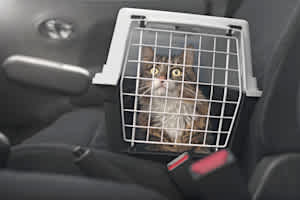
If your cat is unresponsive or not breathing normally, tell the vet immediately and follow their directions.
Avoid giving home remedies
Do not offer your cat food, water or oral medicines if they are collapsed, as they may not be able to swallow normally. Additionally, do not give human medicines. And keep a recovered cat rested while arranging assessment.
If overheating is suspected as the cause of collapse, this is the exception to starting at-home treatment. Begin prompt cooling with any water cooler than their body, with airflow nearby while arranging veterinary care. Do not wrap the cat in wet towels as this can trap warmth; instead, keep rewetting the belly, paws and groin with a damp towel.
When is collapse an emergency?
All unexplained collapse requires immediate veterinary advice and should be treated as an emergency.
This is made more critical with any of the following signs:
Remaining unresponsive or unable to stand
Repeated episodes
Laboured breathing or open-mouth breathing, marked abdominal breathing effort or stretching the head and neck forward to breathe
White, blue or grey gums
A swollen or painful abdomen
Significant bleeding, trauma, suspected poisoning or overheating
Why might a cat collapse?
Heart or circulation problems
Abnormal heart rhythms and other heart problems causing fainting
Reduced blood flow to the brain
Blood loss, including any internal bleeding
Severe anaemia or shock
Blood clots affecting the legs (aortic thromboembolism or saddle thrombus), causing sudden weakness, pain, or paralysis affecting one or both hind legs
Breathing problems and overheating
Serious respiratory problems affecting oxygen supply
Blood sugar, hormone and electrolyte problems
Serious imbalance in blood minerals
Blocked bladder or urinary tract issue – severe obstruction can cause dangerous electrolyte disturbances and eventually collapse
Poisoning, severe allergic reaction and serious illness
Anaphylaxis: a sudden-onset allergic reaction
Severe infections

Seizures, nerve or muscle problems
Seizures and prolonged recovery period afterwards
Neurological or neuromuscular problems affecting ability to stand
Severe injury, such as a road traffic accident
How will the vet find out why my cat collapsed?
Initial assessment and stabilisation
Your vet will prioritise stabilising your pet first by assessing breathing and circulation, including assessing limb circulation when sudden leg weakness or paralysis is present. Treatment may begin before a final diagnosis to support the clinical signs found. This is through an initial physical examination and clinical history taken from the owners, including what was happening right before the episode and a description of the collapse itself. It is important to mention any previous events, any existing illnesses, any medications they are on currently, and any possible toxin exposure.
Further tests
Blood tests to check blood glucose, red blood cell health, and electrolyte balance may be recommended, as they can give an overview of health and direct further testing. Blood pressure and an ECG may be taken, along with diagnostic imaging, such as X-rays or an ultrasound, where indicated.
Further investigations or referral may be advised depending on findings from initial tests and examination.
How is collapse in cats treated?
There is no single treatment for collapse, as it depends on the initial cause and any injuries sustained.
Emergency care may be required to support the cat while these potential causes are investigated, such as oxygen therapy, carefully selected fluids or correction of blood sugar abnormalities, catheterisation and decompressing the bladder if full and obstructed.
Further treatment depends on the diagnosis. Some cats require hospitalisation, surgery or specialist care. Others once stabilised may be able to return home for at-home treatment and monitoring. Recovery and outlook depend on the underlying cause and severity.
Caring for your cat after a collapse
Make sure to follow your vet's treatment and exercise instructions, and attend recommended rechecks. Keep a record of any further episodes and, as a household, have a plan in place for what to do if a collapse happens again. Although not every episode can be prevented, having a plan in place and important contact numbers readily available can help you get your cat the care they need quickly.
If you have any non-emergency questions about collapse in cats, speak to one of our Joii Vets for further advice.
Last updated