


Allergies in dogs

Overview
Symptoms
Risk
Diagnosis
Vet treatment
Home treatment
Prevention
When to worry

Allergies in dogs
Important notice: These pet health articles are written by UK-registered veterinary professionals for a UK audience. They are based on veterinary standards and guidance in the United Kingdom, and may not reflect regulations, products, or best practices in other countries. Not intended for use outside of the United Kingdom.
Allergies in dogs are very common, but they can be complex to diagnose and treat. Dog allergies can be divided into three main categories: parasites, food and environmental allergies. The signs and treatment may vary depending on the type of allergy. Many dogs with allergies need ongoing management to keep their symptoms under control.
Any dog, regardless of age or breed, can develop allergies. The most common signs include itching and skin problems, although some dogs may develop other symptoms. Treatment usually involves a multi-modal approach, which may include parasite control, special diets, skin supplements, anti-itch medication and topical treatments such as medicated shampoos and ear cleaners.
With the right treatment and ongoing management, many dogs with allergies can live happy, comfortable lives.
What are allergies in dogs?
Allergies occur when the immune system has an inappropriate or exaggerated response to a substance that is usually harmless. Allergies in dogs can usually be divided into 3 main groups: parasite allergies, food allergies and environmental allergies.
Parasites: Flea allergies are a very common cause of allergic skin disease in dogs. Other parasites, such as mites, can also cause itching and skin problems, although these are not allergies themselves.
Food: Dogs can develop allergies to different ingredients in their food. Common food allergens include beef, dairy products, and chicken.
Environment: Environmental allergies, also known as atopy or atopic dermatitis, can be triggered by substances such as pollen, house dust mites and moulds.
Some dogs have more than one type of allergy, so there can be overlap between these groups. The signs of different allergies can be very similar, particularly itching, licking, scratching and skin problems.
Some dogs need medication throughout the year, while others may only need treatment during flare-ups.
Many dogs with allergies can live happy, comfortable lives with appropriate treatment and ongoing management.
There are many treatment options for allergies in dogs.
It's always best to speak to a vet if your dog shows signs of an allergy. If not managed appropriately, ongoing itching and self-trauma can damage the skin and increase the risk of secondary infections and other skin changes.
Our Joii Vets help dogs with allergies every day. They are available 24 hours a day if you have questions about your dog's symptoms or treatment.
Symptoms of allergies in dogs
The most common signs of allergies in dogs include:
Itching: this can appear as scratching, biting, licking or chewing the skin, particularly the paws, ears, tummy or other affected areas.
Paw licking or chewing: some dogs repeatedly lick or chew their paws when they are itchy.
Brown or reddish saliva staining caused by repeated licking, particularly on the paws.
Red or inflamed skin.
Small red bumps, spots or pustules, crusts and scabs.
Hair loss: repeated scratching, licking or chewing can lead to thinning hair or bald patches.
Thickened or darkened skin: this can develop when skin inflammation and self-trauma continue for a long time.
Other areas of the body can also be affected when dogs have allergies:
Recurrent ear infections
Recurrent anal gland problems
Digestive signs, such as vomiting or diarrhoea, which can occur with some food allergies
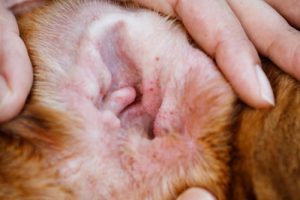
Location of skin problems
The areas of the body affected can sometimes give your vet clues about the possible cause of your dog's skin problems.
Flea allergies commonly appear along the lower back, base of the tail and back of the thighs.
Environmental allergies often affect the paws, face, ears, abdomen and skin folds such as the armpits.
Food allergies usually affect similar areas to environmental allergens, but some dogs with food allergies may also develop digestive signs, such as vomiting, diarrhoea or flatulence.
Are some dogs more at risk of allergies than others?
Any dog can develop an allergy, regardless of their breed, age or sex. However, some dogs may be more prone to certain types of allergies.
Environmental allergies: Some breeds appear to be more commonly affected, including Labrador and Golden Retrievers, West Highland White Terriers, French Bulldogs, Boxers, Shar Peis, German Shepherd Dogs, and Pugs.
Food allergies: There is no strong evidence that food allergies are limited to particular breeds. German Shepherd Dogs, West Highland White Terriers, Labrador Retrievers and Golden Retrievers are reported in many cases, but this does not necessarily mean they have an increased breed-specific risk.
Flea allergies: Any dog can develop a flea allergy. There is no clear breed predisposition.
Genetics: Allergic skin disease can have a genetic component, so dogs with a family history of allergies may be more likely to develop them.

How are allergies diagnosed in dogs?
Diagnosing allergies can often be time-consuming and complex. There is no single test that can diagnose all types of allergies, so allergies are often diagnosed by ruling out other possible causes of itching and skin problems.
Investigations may include:
Blood and urine tests: these may be recommended to check your dog's overall health or investigate other possible causes of their symptoms.
Skin tests: Skin scrapes may be recommended to look for some types of mites. Hair plucks or other samples may be taken when fungal infections such as ringworm are suspected. A skin biopsy may also be recommended if your vet needs more information.
Ear examination: Allergies commonly affect the ears, so your vet may examine your dog's ear canals with an otoscope and take a swab to look for bacteria, yeast or other causes of inflammation.
Diet trial: A strict diet trial using a hydrolysed or appropriate novel-protein diet may be recommended to investigate a possible food allergy. These trials usually need to be fed for at least 8 weeks. Your vet will advise you on this.
Allergy testing: Blood or skin tests can help identify specific environmental allergens that your dog may be sensitive to. These tests are not used on their own to diagnose environmental allergies but may help your vet decide whether allergen-specific immunotherapy could be suitable.
What's the treatment for allergies in dogs?
Treatment will depend on the type of allergy and how severe your dog's symptoms are. Allergies can be tricky to manage, particularly at first, and a multi-modal approach is usually recommended.
This may include:
Anti-itch medication: There are several types and forms of medication available to help control itching and inflammation. Some dogs may need treatment long-term, while others may only need medication during flare-ups.
Topical treatments: Medicated shampoos, mousses, wipes or other topical treatments may help manage inflamed skin, infections or other skin problems.
Parasite control: Effective parasite control is an important part of managing allergic skin disease. Your vet can recommend an appropriate prescription parasite treatment based on your dog's needs.
Allergen-specific immunotherapy: This is used to gradually desensitise the body to different allergens. Treatment is tailored for each patient based on the results of allergy testing.
Ear cleaners and medicated ear drops may also be needed if your dog has allergic ear disease.
If your dog is diagnosed with a food allergy, they will need to avoid the ingredient or ingredients that trigger their reaction. Your vet may recommend continuing with an appropriate hydrolysed or novel-protein diet long-term.
How to look after a dog with allergies at home
Home management is an important part of managing allergies in dogs alongside veterinary treatment. A combination of vet-recommended products and other strategies can help support your dog's skin, keep symptoms under control and reduce flare-ups.
This may include:
Skin supplements containing omega-3 fatty acids help support the skin barrier.
Shampoos, mousses, wipes and other topical products may help manage irritated skin and some secondary skin infections.
Regular ear cleaning may be recommended for dogs that are prone to ear problems. Only use products recommended by your vet, particularly if your dog's ears are painful or inflamed.
Feeding your dog a complete and balanced diet that is appropriate for their needs. If your dog has a diagnosed food allergy, their diet will need to avoid the ingredients that trigger their symptoms.
There are many over-the-counter products available, but the best option will depend on your dog's symptoms and the cause of their allergies. Speak to one of our Joii vets online for advice on which products may be suitable for your dog.
Tips on how to prevent allergy flare-ups in dogs
Allergies cannot always be prevented, but the following steps can help reduce the risk of flare-ups and keep your dog's skin healthy:
Keep your pets up to date with appropriate parasite control. Speak to your vet about what parasite control to use and how often, as it depends on your dog's lifestyle and age.
Regularly clean your dog's bedding, collar and bowls.
Dust and vacuum your home regularly, and avoid using sprays, perfumes and other fragranced products around your dog.
Feed your dog a good quality, complete and balanced diet that is suitable for their age and lifestyle. Some dogs may benefit from diets or supplements containing omega-3 fatty acids to support skin health.
Some dogs may benefit from regular bathing, medicated shampoos or ear cleaning. Follow your vet's advice on which products to use and how often, as bathing or cleaning too frequently can irritate the skin or ears.
Brush your dog's coat regularly and check their skin for any unusual changes, such as redness, scabs, sores or hair loss.
Speak to a vet if your dog becomes itchy. Early treatment can help reduce scratching and chewing and may prevent further damage to the skin.
Is my family at risk of catching allergies from my dog?
No. Allergies are not contagious and cannot be passed from your dog to people or other pets in the household.
When to worry about allergies in dogs
Arrange an urgent appointment if:
Your dog is constantly scratching, licking or chewing themselves to the point that it interrupts their normal activities or sleep.
Your dog has large areas of hair loss or widespread skin changes that are getting worse.
Your dog's skin is very red, swollen, sore, bleeding or oozing.
Your dog is in pain or seems very uncomfortable because of their skin or ear problems.
Your dog has painful, swollen ears, a head tilt or other signs of significant ear disease.
Speak to one of our Joii vets if:
You want to find out how to carry out a food trial.
You want advice on which topical products or skin supplements may be suitable for your itchy dog.
You have questions about parasite control for your dog.
Your dog has recurring itching or skin problems and you want advice on managing them at home.
You have questions about your dog's ongoing allergy treatment or how to reduce flare-ups.


