


Blue-Green Algae Poisoning in Dogs

Overview
Symptoms
Risk
Diagnosis
Vet treatment
Home treatment
Prevention
When to worry

Blue-Green Algae Poisoning in Dogs
Blue-green algae poisoning can be fatal to dogs, even in small amounts. These harmful bacteria thrive in warm, stagnant water, especially in summer and autumn. Multiple dogs have died in recent years as a result of blue-green algae toxicity. All breeds and ages are at risk, but owners of dogs who love to swim or drink from ponds need to be particularly vigilant.
Blue-green algae, also called cyanobacteria, produce toxins that can cause life-threatening illness within minutes if your dog swallows them. They’re most common in summer, especially in stagnant or slow-moving bodies of water, such as ponds, canals or flooded fields. Once absorbed from your dog’s gastrointestinal tract, the toxin attacks their liver and nervous system. If symptoms develop, chances of survival depend on rapid, intensive veterinary care. Seek immediate help from a vet if you think your dog has been exposed to blue-green algae.
What is blue-green algae poisoning in dogs?
Blue-green algae poisoning occurs when dogs drink or swim in water contaminated with toxic cyanobacteria. The toxins rapidly affect your dog's liver, nervous system, and sometimes kidneys or skin.
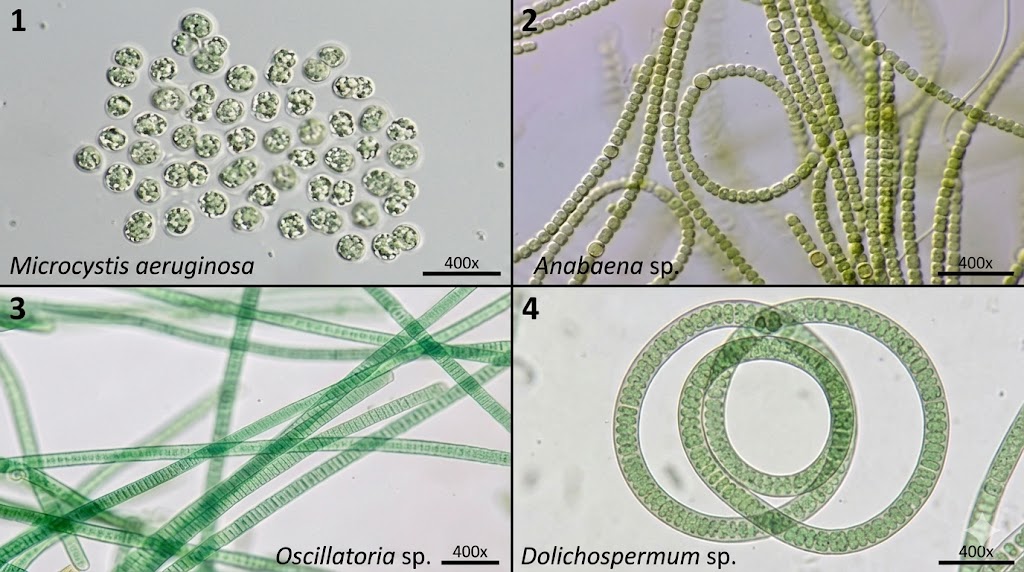
Factors:
Blue-green algae thrive in warm, slow-moving or stagnant water.
They’ll grow in nutrient-rich ponds or flooded fields.
Dogs are poisoned when they swallow contaminated water or lick algae off their fur.
Blooms of cyanobacteria often appear as green paint-like scum, foam or streaks on the surface of water.
Without prompt recognition and treatment, blue-green algae poisoning can be fatal within hours. Seek veterinary help immediately if you think your dog has been exposed.
Symptoms of blue-green algae poisoning in dogs
Drooling or excessive salivation
Pale or yellow gums
Appearing disorientated or confused
Developing muscle rigidity: stiff/robotic movement, muscles feel hardened, arched back
Twitching or muscle tremors
Difficulty breathing or collapse
Itchy, red, blistered skin
Are some dogs more at risk of blue-green algae poisoning than others?
All dogs are susceptible to blue-green algae poisoning, but some are at particular risk.
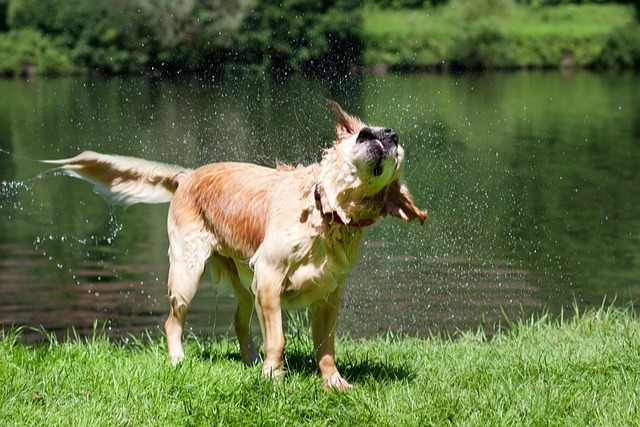
Water-loving breeds like Labradors and Spaniels.
Dogs that often swim outdoors in ponds or lakes.
Dogs allowed to exercise off-lead near still water.
Puppies and smaller breeds can be affected more quickly due to their smaller body size.
Dogs living near farmland or flood-prone areas polluted by sewage or agricultural runoff.
How is blue-green algae poisoning diagnosed in dogs?
There isn’t a single diagnostic test for cyanobacteria toxicity. Vets will diagnose based on the history of recent exposure, presenting symptoms and a full physical examination. Further tests may include:
Neurological examination: checking nerve reflexes and function
Blood tests: assessing liver and general organ health/ function
Urine analysis: checking concentration and kidney function
Specialist toxicology tests, where available: identifying cyanobacteria toxins
How do vets treat blue-green algae poisoning in dogs?
There’s no known antidote for blue-green algae poisoning. Immediate emergency veterinary treatment offers the best chance of survival.
Typical treatments focus on decontamination, intensive supportive care and careful monitoring.
Decontamination
Inducing vomiting: an injection to empty your dog's stomach (if exposure was recent)
Thoroughly bathing/cleansing your dog’s fur: removing blue-green algae contamination
Feeding activated charcoal: to absorb toxins from their gut and limit further uptake
Intensive care
Intravenous fluids: managing shock and flushing toxins out through the kidneys
Medication: supporting liver health and function and controlling seizures where necessary
Oxygen support, where required
Blood transfusion in severe cases
Intensive monitoring and blood tests
How to look after a dog with blue-green algae poisoning at home
There are no home remedies for blue-green algae poisoning. Treatment is urgent in-person veterinary care. However, immediate action on your way to the vet and supportive care at home after treatment are vital aspects of recovery.
Immediate action for dogs after swimming/paddling in blue-green algae-contaminated water:
Rinse your dog’s coat thoroughly
Prevent them from licking their coat: a cone collar is ideal
Contact a vet for advice without delay
Home care after veterinary treatment
Give all prescribed medication as directed by your vet, at the correct time and dose.
Make sure your dog has access to fresh, clean water and encourage them to drink.
Let your dog rest quietly in a calm, comfortable environment.
Keep stress and exercise to a minimum.
Avoid walking near ponds or lakes for several weeks.
Feed a vet-approved (possibly prescription) diet to support your dog’s liver.
Continue to bathe your dog after outdoor walks to remove any algae residues.
Keep an eye on your dog’s appetite, energy levels and toileting.
Attend veterinary follow-up checks to monitor and support liver health.
Tips on how to prevent blue-green algae poisoning in dogs
Always look out for signs near lakes and ponds warning of risks of blue-green algae.
Don't let your dog swim in or drink from stagnant water.
Carry bottled water for your dog on walks for safe drinking.
Rinse your dog after swimming outdoors. Remove possible sources of stagnant water around your garden: empty plant pots, troughs, ponds, and bird baths.
Report suspected blue-green algae blooms to the Environment Agency, the local council, or via the Bloomin’ Algae app. The council can test the water and put warning signs.
Keep your dog on a lead near suspect water sources.
Is my family at risk of catching blue-green algae poisoning?
Blue-green algae toxins primarily affect other animals, but humans can also be harmed through skin contact or accidentally swallowing contaminated water. Avoid swimming, fishing or letting children play in affected areas.
Simple precautions:
Avoid contaminated water and shorelines
Wash your hands and clothing after outdoor activities
Follow all local authority warning signs
When to worry about blue-green algae poisoning
Seek immediate help from your nearest vet practice if your dog:
Shows any vomiting, tremors, odd gait or weakness after swimming
Drinks from green, stagnant or foamy water sources
Collapses or appears disoriented near water
Has pale or yellow gums
Develops seizures or breathing difficulties
Joii Vets can help if:
Your dog has vomiting and/or diarrhoea
You’re unsure if water is safe for your pet
You’d like advice on seasonal risks for dogs


