Cat dental check: when to book and what to expect


Does your cat need a dental check?
When to book a dental check
Getting your cat to the vet
What happens at the first vet check?
What happens on dental day?
If the vet finds more
Bringing your cat home


Explore our vet recommended products
Shop now
Does your cat need a dental check?
Have you noticed your cat's bad breath when they are curled up on the sofa next to you? Or noticed any changes around dinner time? Maybe your cat still eats all their food, but lately they don’t seem as interested in the dry food, or they are eating slowly. These small changes can easily be put down to age or fussiness, but they can also be clues that their mouths may be a little sore.
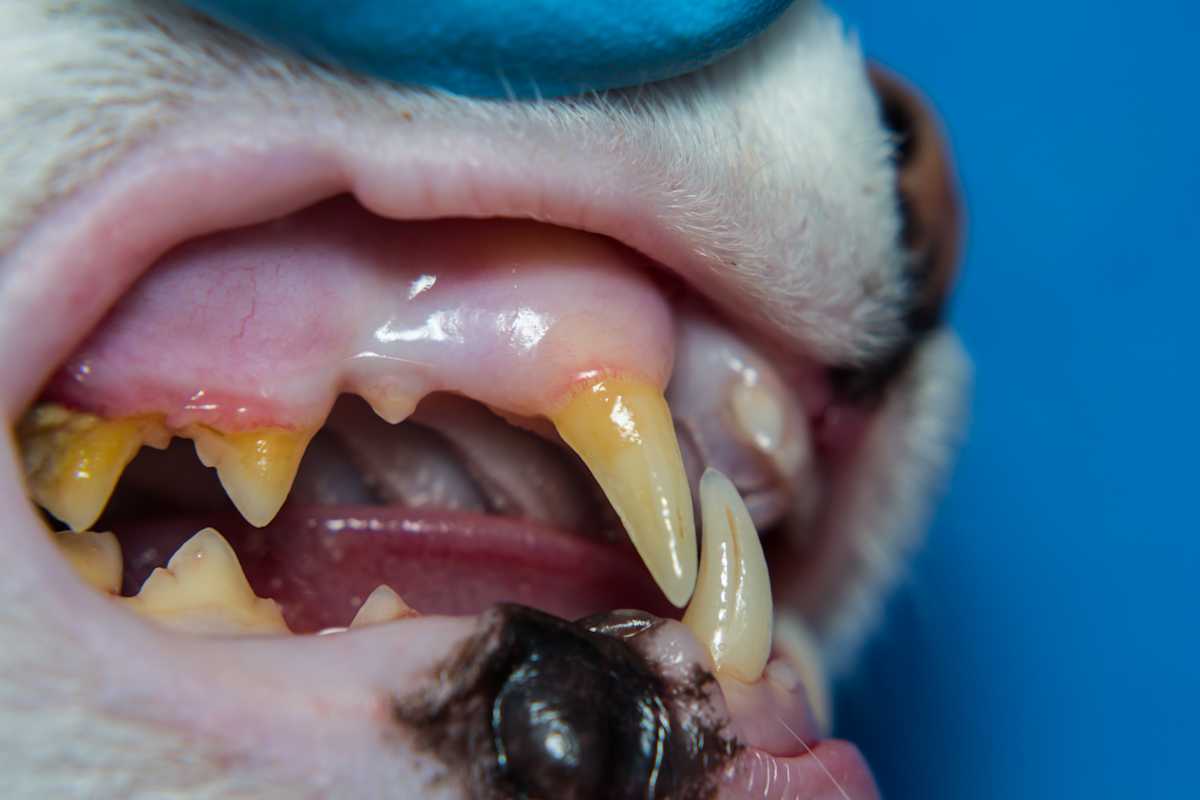
Look out for bad breath, red or bleeding gums, yellow or brown build-up on the teeth, loose or broken teeth, drooling, or changes in how your cat eats. If you notice any of these signs, arrange a dental check-up with your vet. Otherwise, ask them to check your cat’s teeth at their next routine health check.
They’re still eating. Can it wait?
Even if they are still eating, your cat may be trying to tell you something. Instead of basing your decision on how much they are still eating, focus instead on how they eat and their behaviour around meal times.
Some subtle signs to look for:
Seeming more hesitant to eat or leaving some food
Seeming hungry and enthusiastic but turning up their nose once food is down
Eating more slowly but eventually coming back and finishing it
Other signs that may be noticed:
Dropping food
Chewing on one side more
Leaving harder pieces of food or kibble
Only eating the soft meat or wet food
Persistent bad breath
Overgrooming their faces and mouth
Reluctance to be petted around their head or cheeks
All of these signs warrant a vet check. The sooner issues are caught, the better, to reduce any pain and also prevent any weight loss or other changes from occurring. So book a non-emergency appointment for the next convenient time to have your cat checked over. In the meantime, keep them on soft and easy-to-eat food to keep them well and comfortable until they can be seen by your vet.
Please call your vet for a more urgent appointment if you spot any of the following:
A newly broken tooth
Facial swelling
Marked discomfort
Sudden difficulty eating
Refusing all food
What if my cat hates going to the vet?
If there is time before a planned appointment, leave the carrier out with familiar bedding, so it becomes part of the room. If travel or vet visits are especially stressful, phone ahead to the practice when booking so they can help with a plan or even book a longer appointment time for some leeway and less stress while there.
Will my cat need an anaesthetic just to have their teeth checked?
When you make an appointment for your vet to check your cat's teeth, this will be in the consultation room with you present and while your cat is awake. The vet will ask what you have noticed or any concerns. They will then take a look at your cat’s mouth as much as they are comfortable with while awake.
This can include feeling over their head for any muscle wasting, or swelling over the jaw or cheek. Then, if your cat allows, lifting their lips to look at their teeth and opening their mouth to check the back, along with the tongue and health of the gums. From this, your vet may spot inflamed gums, tartar or damaged teeth, along with any bad breath.
A deeper examination or treatment may then be booked separately depending on what your vet finds on initial examination. This would be performed under anaesthesia so the vet can check each tooth closely without putting your cat under stress or discomfort. They may also take dental X-rays to see the roots of the teeth and surrounding bone.
What happens on the day of a dental procedure?
Your vet will advise you on when to stop giving your cat food and water before the procedure, including the night before and the morning of their appointment. Follow these closely to ensure your pet is ready for the procedure, and drop your cat off on time. Your practice will go through what the procedure involves and have you sign or verbally consent to it.
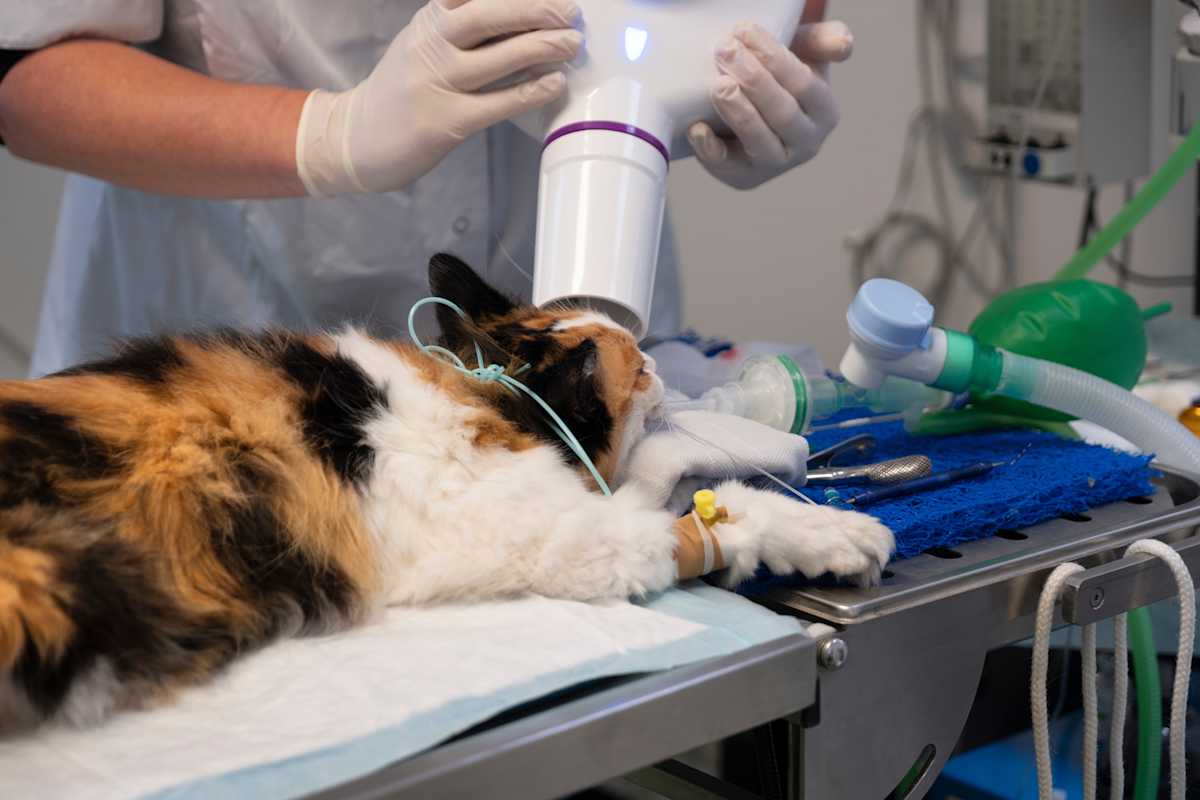
Veterinary staff are all aware of how worrying it is to leave your pet for a procedure. They will take every step to make sure your pet remains well cared for during their stay. Before each procedure, your pet will be checked over again, and their anaesthetic plan will be tailored to their needs, along with pain relief. Pets are monitored throughout the procedure and recovery until they are back with you.
During the dental procedure itself, the vet will examine the teeth, check under the gum line and use dental X-rays to check for any hidden problems. Treatment can include scaling and cleaning the teeth, and removing any teeth that need to come out.
Any grooming or pet care establishment offering awake dental scale and polish treatments is putting pets at risk. These procedures only clean the visible surface of the teeth and can leave disease beneath the gums untreated. Scaling under the gum line while awake causes pain and sudden head movements can cause injury so are not in the best interest for the health and welfare of the pet (RCVS statement).
What if my vet finds more once my cat is asleep?
It is possible for a tooth to look normal during the first check, but more damage is found under the surface from the dental X-rays or while examining more closely under anaesthesia. One such example is tooth resorption in cats, where part of the tooth gradually breaks down. This can start below the gum line, so dental X-rays help your vet see any changes that are hidden.
Your vet will usually discuss these possibilities with you prior to the treatment. The estimate usually takes these into account and so may appear higher than what the procedure actually costs.
Within the consent consultation, you can discuss and agree in advance when the team should ring you to discuss a change in the treatment plan. Make sure your practice has the best number to reach you on for any such changes and to call to let you know when your pet is awake after their procedure.
What should I ask when I pick my cat up?
When you go to pick up your pet, it can be emotional to see them, and it is easy to forget the follow-up discussions. Your practice may take you into a consultation room to go over post-procedure instructions before seeing your pet so you can concentrate on them completely afterwards.
Ask the team what they found and what treatment was carried out. They will then guide you on next steps, including:
When they can next eat
If they need softer or different food temporarily
When their next pain relief or medication is due
What should prompt a call
And if they need a recheck
Having a dental procedure is not a permanent fix. Make sure to keep up with regular dental hygiene and brushing of your pet's teeth at home once their mouth is comfortable and the vet says they are ready.
Last updated