Dog dental check: when to book and what to expect


Does your dog need a dental check?
When to book a dental check
What happens at the first vet check?
What happens on dental day?
If the vet finds more
Bringing your dog home


Explore our vet recommended products
Shop now
Does your dog need a dental check?
Have you noticed your dog's bad breath when they are curled up on the sofa next to you? Or noticed any changes around dinner time? Maybe your dog still eats all of their food, but lately they don’t seem as interested, or you’ve noticed them eating slowly. These small changes can easily be put down to what they’ve recently eaten, age or fussiness, but they can also be clues that their mouths may be a little sore.
Look out for bad breath, red or bleeding gums, yellow or brown build-up on the teeth, loose or broken teeth, drooling, or changes in how your dog eats. If you notice any of these signs, arrange a dental check-up with your vet. Otherwise, ask them to check your dog’s teeth at their next routine health check.
They’re still eating. Can it wait?
It can take a long time and a lot of pain to put some dogs off their food. If the discomfort has been brewing for a while under the surface, they may have learnt to live with it. Instead of basing your decision on how much they are still eating, focus instead on how they eat and their behaviour around meal times.
Some subtle signs to look for:
Seeming more hesitant to eat or leaving some food
Seeming hungry and enthusiastic until food is placed in front of them
Eating more slowly or conversely gulping down food without chewing
Other signs that may be noticed:
Dropping food
Chewing on one side more
Leaving harder pieces of food or kibble
Only eating the soft meat or wet food
Persistent bad breath
Pawing at their faces and mouth
All of these signs warrant a vet check. The sooner issues are caught, the better, to reduce any pain and also prevent any weight or other changes occurring. So book a non-emergency appointment for the next convenient time to have your dog checked over.
In the meantime, keep them on soft and easy-to-eat food to keep them comfortable until they can be seen, such as softened kibble with warm water or just their wet food.
Please call your vets for a more urgent appointment if you spot any of the following:
A newly broken tooth
Facial swelling
Marked discomfort
Sudden difficulty eating
Not eating anything
Will my dog need an anaesthetic just to have their teeth checked?
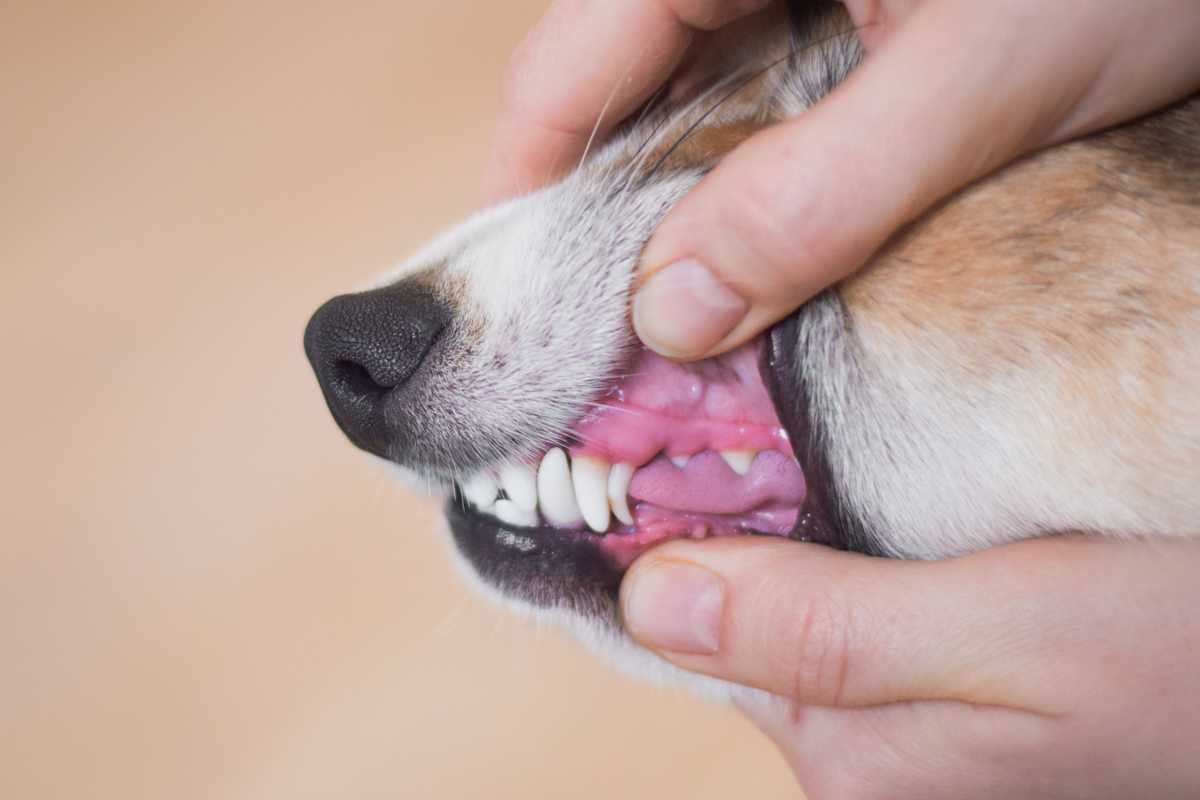
When you make an appointment for your vet to check your dog's teeth, this will be in the consultation room with you present and while your dog is awake. The vet will ask what you have noticed or any concerns and will take a look at your dog’s mouth as much as they are comfortable with while awake.
This can include feeling over their head for any muscle wasting, or swelling over the jaw or cheek. Then, if your dog allows, lifting their lips to look at their teeth and opening their mouths to check the teeth at the back, along with the health of the tongue and the gums. From this, your vet may spot inflamed gums, tartar or damaged teeth, as well as any bad breath pointing to an issue.
A deeper examination or treatment may then be booked separately depending on what your vet finds on the initial examination. This would be performed under anaesthesia so the vet can check each tooth closely without putting your dog under stress or discomfort. They may also take dental X-rays to check the roots of the teeth and surrounding bone.
What happens on the day of a dental procedure?
Your vet will advise you on when to stop giving your dog food and water before the procedure, including the night before and the morning of their appointment. Follow these closely to ensure your pet is ready for the procedure, and drop your dog off on time. Your practice will talk you through the procedure again and ask you to give your consent before it goes ahead.
Veterinary staff are all aware of how worrying it is to leave your pet for a procedure, and take every step to make sure your pet remains well cared for during their stay. Before each procedure, your pet will be checked over again, and their anaesthetic plan will be tailored to their needs, along with pain relief. Pets are thoroughly monitored throughout the procedure and recovery until they are back with you.
During the dental work itself, the vet will examine the teeth, check under the gum line and use dental X-rays to check for any hidden problems. Treatment can include scaling and cleaning the teeth, and removing any teeth that need to come out.
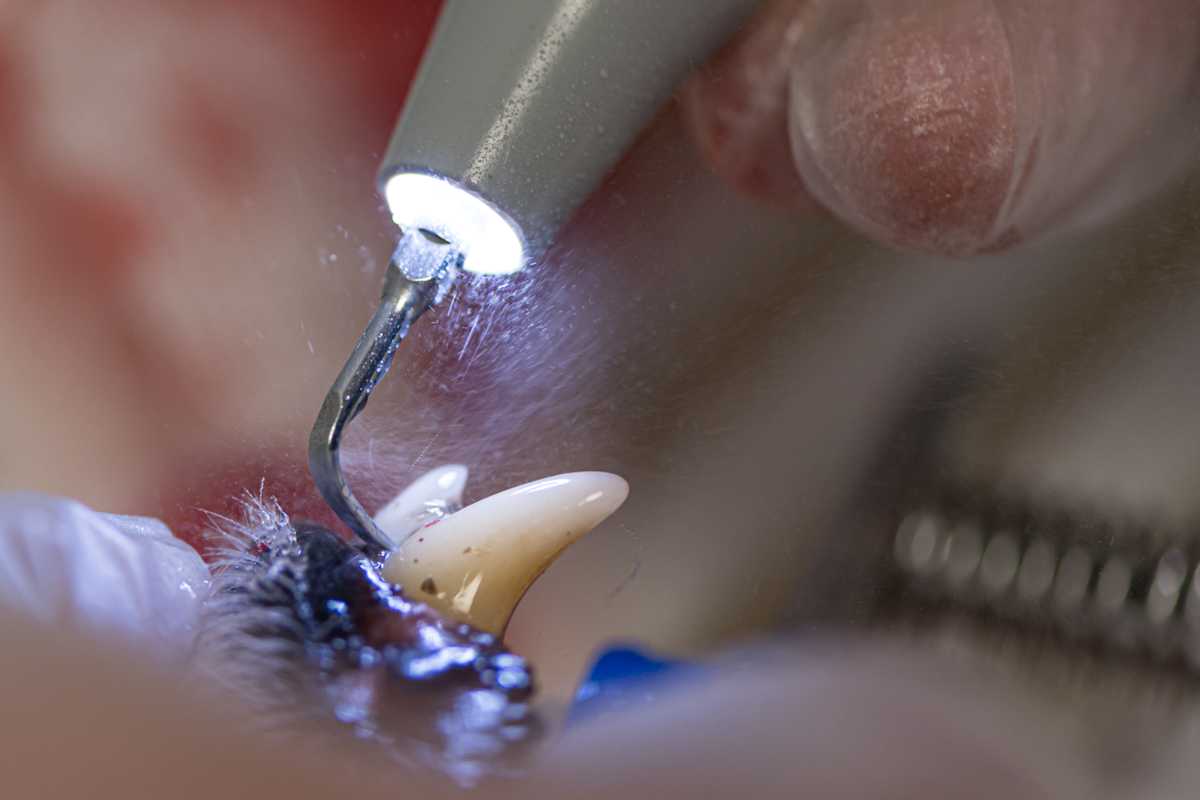
Any grooming or pet care establishment offering awake dental scale and polish treatments is putting pets at risk. These procedures only clean the visible surface of the teeth and can leave disease beneath the gums untreated. Scaling under the gum line while awake causes pain and sudden head movements can cause injury so are not in the best interest for the health and welfare of the pet (RCVS statement).
What if my vet finds issues once my dog is asleep?
It is possible for a tooth to look normal during the first check, but more damage is found under the surface from the dental X-rays or while examining more closely under anaesthesia. Your vet will usually discuss these possibilities with you prior to the treatment. The estimate often takes these into account and so may appear higher than what the procedure actually costs.
Within the consent consultation, you can discuss and agree in advance when the team should ring you to discuss a change in the treatment plan. Make sure your practice has the best number to reach you on for any such changes, and so they can call to let you know when your pet is awake after their procedure.
What should I ask when I pick my dog up?
When you go to pick up your pet, it can be emotional to see them and easy to forget the follow-up questions. Your practice may take you into a consultation room to go over post-procedure instructions before seeing your pet so you can concentrate on them completely afterwards.
Ask the team what they found and what treatment was carried out. They will then guide you on next steps, including:
When they can next eat
If they need softer or different food temporarily
When their next pain relief or medication is due
What should prompt a call
And if they need a recheck
Having a dental procedure is not a permanent fix. Make sure to keep up with regular dental hygiene and brushing of your pet's teeth at home once their mouth is comfortable and the vet says they are ready.
Last updated