Babesiosis is a type of blood infection caused by a microscopic parasite. Most forms of this parasite are spread by ticks, but some can be passed when a dog bites another dog. This disease didn’t exist in the UK before, but more and more cases have been spotted in recent years. It causes high fever and anaemia, and can lead to life-threatening complications.
Most cases of Babesiosis in UK dogs happen in dogs that have been in Southern Europe. However, cases are becoming more common in Northern Europe, and a few cases have happened in UK dogs that have never been abroad. It may take several weeks after a tick bite before symptoms of disease start. Sometimes the parasite may become dormant and not cause disease for a very long time. If your dog suddenly becomes very lethargic or their gums look much paler than normal, speak to a vet straight away.
What causes babesiosis in dogs?
Babesiosis is caused by a group of tiny blood parasites (Babesia), distant relatives of the one that causes malaria in people.
There are several species of Babesia, and they are usually divided into two groups, commonly known as “large babesia” and “small babesia”. This is based on their appearance under a microscope, and also on how the disease usually progresses and the typical response to treatment.
These parasites enter the red blood cells and multiply, causing the cells to burst.
This causes the immune system to go into high alert, to the point that it starts attacking healthy red blood cells, as it tries to get rid of the ones that are infected.
This causes severe anaemia and the release of substances into the blood that trigger inflammation.
The drop in oxygen being transported to organs and the severe inflammation may damage vital organs. The most commonly affected are the kidneys, heart and brain.
Symptoms of babesiosis in dogs
Very low energy or lethargy
Tiredness or shortness of breath after minimal physical effort
High fever: feel hot to the touch, especially on their ears, paws and nose)
Little or no appetite
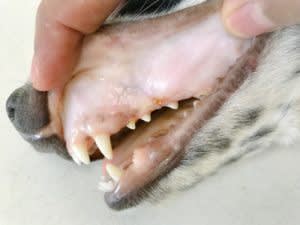
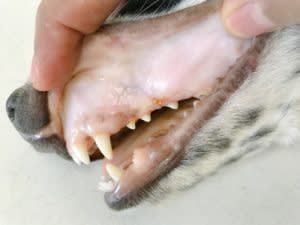
Pale or yellowish gums
Red or brown urine
Bruising easily or having small purple spots on the skin or gums
Laboured breathing
Collapse
Dogs at higher risk of babesiosis
Any dog can be affected by babesiosis, so the risk is associated with how likely they are to be exposed to the disease. Factors that increase this risk include:
Travelling to, or being from, areas where the disease is common. The most common areas of concern are Southern Europe and Asia, but the disease has been spreading and has become more common in Northern Europe and other parts of the world.
Not using tick prevention. The longer a tick is attached, the more likely it is to transmit disease. The more ticks that attach, the higher the risk too.
Being bitten by a dog that has had certain types of babesiosis. This is sadly more common in dogs of Pitbull-type breeds, as they are more likely to have had contact with dogs used for fighting.
Another risk factor to consider is that babesiosis is more severe in dogs that have a weakened immune system. This is especially the case for dogs that have had their spleen removed, but it is also true for dogs taking immunosuppressive medications.
Diagnosis of babesiosis in dogs
Babesiosis may be suspected from the symptoms and travel history.
Blood tests are required for a diagnosis and to help guide treatment. There are different types of blood tests, each providing different information:
A blood smear is a test that vets can do in the clinic, using a microscope. It’s quick and fairly reliable, but may miss the infection. It may also not be enough to identify the type of babesiosis, which could lead to choosing the wrong treatment.
An antibody test may be available in some clinics, and it is also quick and easy. It’s a little less likely than a blood smear to miss an infection, but otherwise has the same limitations. It may also be positive even if the infection was some time ago and has been cleared.
PCR tests need to be sent to an external lab, and the results may take several days to arrive. But they are the most accurate, and they can pinpoint the species of Babesia involved. This is important when selecting treatment.
Veterinary treatment of babesiosis in dogs
The treatment of babesiosis depends on the species of Babesia that is diagnosed:
Species of the “large babesia” group can usually be treated with an injection of antiparasite medication called Imidocarb. This injection is usually repeated after two weeks to reduce the risk of the infection coming back, or hiding and spreading to other dogs.
Species of the “small babesia” may also respond to the same injection, but it is much less effective. These infections must be treated with combinations of specific antibiotic tablets for at least 10-20 days.
Dogs with babesiosis are often very ill, so they are likely to need supportive treatments alongside the medication to eliminate the parasite. This may include:
Hospitalisation for intravenous fluids and monitoring
Medication to control fever
Blood transfusions if the anaemia is severe
Platelet-enriched plasma transfusions if coagulation problems develop
Home treatment of babesiosis in dogs
Babesiosis is a severe infection, and life-threatening complications are common. Veterinary treatment is essential. Don’t hesitate to speak to a vet if you have questions or concerns.
With infectious diseases, it’s very important to follow the treatment plan strictly. Stopping the treatment too early or failing to give the prescribed doses may lead to the infection coming back or becoming impossible to treat. Speak to your vet if you have any questions or difficulties.
Joii can help if you need advice about giving medication to your dog or have other questions.
Prevention of babesiosis in dogs
Preventing babesiosis is best achieved by preventing tick bites and prolonged tick attachment. There are several options, including tablets, collars and spot-ons. The most reliable products may require a prescription, so speak to your vet to discuss a parasite prevention plan. This is especially important if you’re travelling.
A vaccine against Babesiosis (Pirodog) is available in some European countries, but it only reduces infection severity and is not always effective. It’s usually only recommended in high-risk situations, but you can discuss this further with your vet.
If you’ve adopted a dog from abroad, especially from Southern Europe or Asia, consider making sure they have been tested for babesiosis. This may prevent transmission to other dogs, as well as allow for early diagnosis and treatment.
What to expect if my dog has babesiosis
Dogs infected with Babesia from the “large babesia” group usually respond quickly to treatment, and the infection is often eliminated.
If infected with “small babesia”, it may be difficult to eliminate the infection. Some dogs will become chronically infected. This means the infection may come back later, especially if something affects their immune system. They may also become a source of infection for ticks and other dogs.
In both cases, if severe complications develop before the treatment has time to work, long-term issues may develop. This is rare but includes the possibility of developing chronic kidney disease or heart disease.
Can my family catch babesiosis from my dog?
People can develop babesiosis, but this is from different types of Babesia than those that affect dogs. None of the types of Babesia that affect dogs is known to pass from dogs to people.
“Large babesia” aren’t transmitted between dogs; they are only transmitted through infected ticks.
Some species of “small babesia” can be passed directly between dogs through dog bites, but this is not common.
When to worry about babesiosis in dogs
Speak to a vet as soon as possible if your pet:
Is tired or lethargic
Is not eating or drinking much
Has pale or yellow gums
Has bruises or spots in their gums or tummy
Seems short of breath or is struggling to cope with exercise
The Joii vets are always available to give you advice and answer any questions
Last updated