How to clean your cat’s ears in 7 easy steps


Overview
Preparation
How it's done
How often
What to use
Is it safe
When to worry
Products in this article


Explore our vet recommended products
Shop now
Learning how to clean your cat's ears can be a useful skill, especially if your cat is prone to ear problems or your vet has recommended regular cleaning. Ear disease is less common in cats than in dogs, but cats can still develop problems caused by conditions such as allergies, bacterial or yeast infections, ear mites and growths.
Once you and your cat are comfortable with the process, ear cleaning can usually be done quickly and easily at home. Your vet can advise whether your cat needs regular ear cleaning and which product is appropriate.
Why should you clean your cat's ears?
Regular ear cleaning can help remove excess wax, debris and discharge from the ear canal. It also gives you an opportunity to check your cat's ears for abnormalities, such as redness, discharge or a bad smell.
Cats with chronic ear problems may benefit from regular ear cleaning. Conditions such as allergies can make them prone to recurring problems. Your vet can advise how often your cat's ears should be cleaned.
Cats with an ear infection may need their ears cleaned as part of their treatment. Removing excess discharge and debris can help topical medication reach the affected skin more effectively. Your vet will advise whether cleaning is appropriate and which product to use.
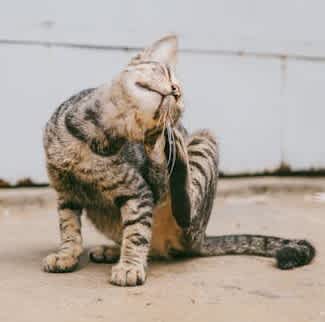
Not all cats need their ears cleaned routinely. Over-cleaning can irritate the ear canal and contribute to problems. Speak to a vet before using anything in your cat's ears.
Our Joii vets are available 24 hours a day for advice.
How to prepare your cat for ear cleaning
Gentle handling from a young age can make routine checks and cleaning less stressful for your cat.
Try to make ear cleaning a positive experience with reward-based training. If your cat is very anxious or uncomfortable, speak to your vet rather than forcing them to have their ears cleaned.
Choose a calm, quiet area where your cat feels relaxed. Start by gently touching and rubbing around the ears before introducing any ear products.
How to clean your cat’s ears in simple steps
Have everything ready before you start, including the ear cleaner and some treats. Place your cat on your lap or ask someone to gently steady them and help keep them calm. If your cat is fidgety, a towel can sometimes help them feel more secure, but avoid wrapping them tightly or forcing them to stay still.
Let your cat sniff the ear-cleaning product before you use it, and reward them for staying calm.
Position yourself so you can easily see the opening of the ear canal. If you see anything abnormal inside the ear, speak to your vet before cleaning it.
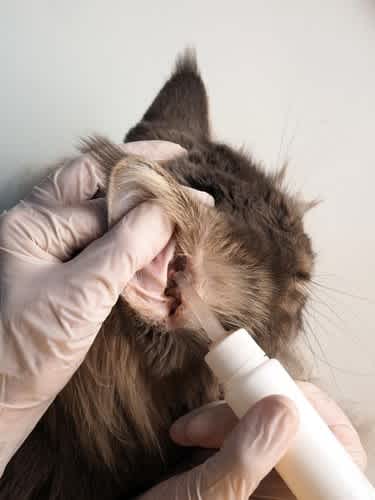
Place the nozzle at the opening of the ear canal without pushing it inside. Squeeze the recommended amount of ear cleaner into the canal.
Gently massage the base of the ear for around 20–30 seconds. You should hear a squelching sound. You may need to wait for a few minutes, depending on what type of product you are using.
Wipe away loosened debris from the parts of the ear that you can easily see using cotton wool, a cotton pad or gauze. Do not push anything deep into the ear canal. You may need to repeat the massage and wiping a few times.
Repeat the process with the other ear if your cat needs both ears cleaned.
Allow your cat some time to relax and reward them with their favourite treat, toy or some gentle fuss. Your cat may shake their head after cleaning, which is normal and can help remove excess liquid and loosened debris.
Take things slowly. If your cat becomes stressed or tries to get away, stop and try again later rather than forcing them to continue.
If you are at all unsure, ask a vet or vet nurse to show you how to safely clean your cat’s ears.
How often should you clean your cat’s ears?
There is no set schedule for cleaning cats' ears. Some cats may benefit from regular ear cleaning, while others may rarely or never need their ears cleaned.
If your cat is prone to ear problems, your vet can recommend how often to clean their ears based on the underlying cause and the type of ear cleaner being used. Cats with an active ear infection may need more frequent cleaning as part of their treatment.
Do not clean your cat's ears more often than recommended, as this can irritate the ear canal.
What should I use to clean my cat’s ears?
A cotton pad or gauze can be used to gently wipe away discharge and debris from the parts of the ear that you can easily see. Avoid using cotton buds or putting anything deep into the ear canal, as this can push debris further inside and injure the ear.
Only use a product recommended by your vet. Ear cleaners are available in different formulations and may contain ingredients designed to remove wax and debris, dry the ear canal or help maintain a healthy ear environment. Your vet can advise which product is appropriate for your cat's ears and how often to use it.
Some ear cleaners, such as Otodine, contain ingredients with antimicrobial properties and may be recommended as part of the management of certain ear problems. Epi-Otic is another ear-cleaning solution that may be recommended for routine ear care in some cats.
Always speak to a vet before using anything in your cat's ears. Some products may be unsuitable if the eardrum is damaged, and inappropriate cleaning can make ear problems worse.
Is it safe to clean your cat’s ears?
Ear cleaning in cats is generally a safe procedure when the appropriate product and technique are used. Speak to a vet before using a new product and never stick anything, like cotton buds, down your cat's ears.
If your cat becomes distressed or aggressive when trying to clean their ears, then stop straight away. Forcing this can cause your cat to become more fearful and may result in you or your cat being injured.
Your vet or veterinary nurse can show you how to clean your cat's ears safely or advise if an alternative approach is needed.
Do I need to take my cat to the vet for an ear infection?
Arrange a physical exam with your vet if your cat's ears are:
Painful or swollen
Producing lots of discharge, especially if the discharge is green or yellow
Bleeding
Not improving with treatment
Our Joii vets can answer your concerns about cleaning your cat's ears. They can also recommend an ear cleaner, if appropriate, and show you how to use it safely. Download the app and speak to one of our veterinary professionals.


Last updated