Hot spots are areas of inflamed, damaged skin that can develop quickly in cats. They can be painful and may become infected. Most hot spots respond well to treatment, particularly when veterinary advice is sought early.
Hot spots are less common in cats than in dogs. The affected skin may look red and moist, and the area can worsen quickly if your cat continues to lick, scratch or bite it. Hot spots are also known as acute moist dermatitis or pyotraumatic dermatitis. They develop when self-trauma damages the skin, often due to itching caused by an underlying problem such as fleas or allergies.
What are hot spots in cats?
Hot spots are localised areas of inflamed, damaged skin that can occur anywhere on a cat’s body. They often develop when a cat repeatedly licks, scratches or bites an itchy area.
They can appear suddenly as red, moist and painful patches of skin.
They develop when excessive licking, scratching or biting damages the skin.
They can worsen quickly, particularly if your cat continues to traumatise the affected area.
The affected area may be larger than it first appears, as surrounding fur can hide the extent of the skin damage.
Hot spots may be associated with underlying problems that cause itching, including fleas and allergies.
They can occur at any time of year, although they are more common in warm, humid conditions.
Cats are prone to other forms of skin disease, such as eosinophilic plaques, which may look similar to hot spots.

Causes of hot spots in cats
Hot spots usually develop when a cat damages their skin through excessive licking, scratching or biting.
This is often triggered by itching, irritation or discomfort. Common underlying causes and contributing factors include:
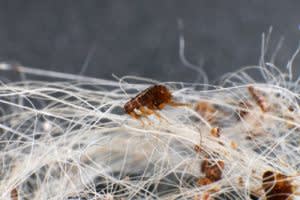
Fleas and other parasites.
Allergies, including food allergies, environmental allergies and flea allergy dermatitis.
Wounds or other skin irritation caused by trauma.
Pain or discomfort that causes repeated licking or chewing of a particular area.
Matted fur, which can irritate the skin and trap moisture.
Ear disease, which can cause scratching around the ears and head.
Stress, which may contribute to excessive grooming in some cats.
Hot spots can worsen quickly if your cat continues to scratch, lick or bite the affected area.
Contact your vet if you notice a red, moist, painful or damaged patch of skin. Treatment may be needed to relieve discomfort, address any infection and identify the underlying cause.
Our Joii team is available 24 hours a day for veterinary advice.
Symptoms of hot spots in cats
Hot spots are areas of inflamed, damaged skin that can develop quickly. They can appear anywhere on a cat’s body, particularly where excessive licking, scratching or biting has damaged the skin.
The affected skin may appear:
Swollen and warm to the touch
Red and inflamed
Moist, wet or oozing
Painful or sensitive
Crusty, sometimes with an unpleasant smell
Hairless or with patches of missing fur
Other signs may include:
Repeated licking, scratching or biting at the affected area
Vocalisation or reacting when the area is touched, which may indicate pain
These signs are not specific to hot spots. Other feline skin conditions can look similar, so a veterinary assessment is important to identify the cause and appropriate treatment.

Are some cats at more risk of hot spots than others?
Any cat can develop a hot spot, but certain factors may increase the risk:
Cats with allergies: itching can lead to excessive licking, scratching and biting, which damages the skin.
Long-haired cats and cats with dense fur: mats can irritate the skin and make it harder to spot skin changes early.
Cats with obesity: difficulty grooming certain areas can lead to poor coat condition, skin irritation and matting.
Older or unwell cats: reduced mobility or difficulty grooming can lead to matting and skin problems.

How are hot spots diagnosed in cats?
Vets may suspect a hot spot based on the appearance of the affected skin and your cat's history.
They may also look for an underlying cause, such as fleas, allergies or another skin condition.
Depending on the findings, further tests may include:
Skin samples: swabs, skin scrapings or hair plucks to investigate infection, parasites or other skin conditions. A biopsy may be recommended if the diagnosis remains unclear.
Ear examination and samples: an ear swab may be taken if ear disease is suspected.
Blood tests and urine tests: may be recommended if your cat has other signs of illness or an underlying condition is suspected.
Food trial: a vet may recommend a controlled elimination diet if a food allergy is suspected.
Imaging, such as X-rays: these may be considered if an underlying injury or other cause of pain is suspected.
Vet treatment for hot spots in cats
Treatment depends on the severity of the skin damage and whether there is an underlying infection or condition causing itching.
Treatment may include:
Clipping the fur: a vet may carefully clip the hair around the affected area to assess the extent of the damage and allow the skin to be examined and treated. This can be painful, so sedation or general anaesthesia may be needed.
Cleaning the affected skin: your vet may use a suitable antiseptic solution to remove discharge and debris and help manage infection.
Prescription medications may include:
Antibiotics: topical or oral antibiotics may be prescribed if a bacterial infection is present. Not every hot spot requires antibiotics.
Anti-itch medications: may be used in some cases to reduce inflammation and itching.
Treatment for underlying conditions may include:
Parasite control: appropriate treatment for fleas or mites, depending on the suspected cause.
Ear medication: if an ear infection or inflammation is contributing to scratching.
Pain relief: if needed to manage discomfort.
How to look after a cat with a hot spot at home
Always seek veterinary advice if you suspect your cat has a hot spot. The skin damage may extend further than it appears, and other skin conditions can look similar.
You can help your cat at home by:
Temporarily using a protective collar or suit if recommended by your vet to prevent licking, scratching or biting.
Keeping the area as clean and dry as advised. Avoid applying antiseptics, creams, shampoos or other products unless your vet confirms they are suitable for your cat. Your vet may recommend a topical treatment to help manage inflammation or infection, depending on the cause.
Contact your vet again if the area worsens, your cat seems increasingly uncomfortable or the skin is not improving with treatment.
Tips on how to prevent hot spots in cats
It's not always possible to prevent hot spots in cats, but the following measures can help reduce the risk:
Use a vet-recommended parasite control product suited to your cat’s lifestyle and individual risk of exposure to parasites.
Brush their coat regularly, particularly if they have long or dense fur, to help prevent matting.
Check your cat's skin for redness, scabs, hair loss or signs of excessive licking and scratching at least once a week.
Choose a complete food appropriate for your cat's age and needs. Special skin diets or omega fatty acid supplements may be helpful for some cats, depending on their underlying condition.
Maintain a healthy weight. Excess weight can make grooming difficult. See our body condition scoring chart for guidance.
Follow your vet's recommendations for allergies, ear disease or other underlying problems that could trigger repeated skin irritation.
Contact your vet if your cat develops persistent itching, excessive grooming or recurring skin irritation. Early treatment can help reduce further skin damage.


Is my family at risk of catching hot spots?
Hot spots themselves are not contagious to humans. However, some underlying skin conditions that cause similar signs can spread between pets and people.
For example, ringworm is a fungal infection that can spread from cats to humans. Some types of mites can also cause skin irritation in people.
If you develop a new rash or skin irritation after contact with your cat, speak to your doctor for advice. Contact your vet if you are concerned that your cat may have a contagious skin condition.
When to worry about hot spots in cats
Seek urgent veterinary advice if your cat seems very unwell, is in significant pain or is not eating.
Contact your local vet practice if:
Your cat is very itchy or repeatedly licking, scratching or biting their skin.
You notice red, moist, swollen, painful or damaged skin.
The affected area is getting bigger, or the skin is not improving with treatment.
Speak to a Joii vet if:
You need advice about suitable skin care products for your cat.
Your cat has a skin problem and you are unsure what to do next.
You need advice about your cat's weight or weight management.
Our Joii team is available 24 hours a day for advice.
Last updated