Hot spots in dogs are areas of inflamed skin that can develop quickly, particularly in warmer weather. They can be itchy or painful, but most cases respond well to treatment when caught early. Any age or breed of dog can develop hot spots.
Hot spots are localised areas of inflamed, damaged skin, often complicated by a secondary bacterial infection. The affected area is red, moist and sometimes oozing, with hair loss around the lesion. Hot spots are also known as acute moist dermatitis or pyotraumatic dermatitis. They usually develop when a dog repeatedly licks, chews or scratches their skin. This response may be to an underlying problem such as fleas, allergies or another cause.
What are hot spots in dogs?
Hot spots are localised areas of inflamed, damaged skin that can occur anywhere on the body, usually due to self-trauma such as excessive licking, chewing or scratching.
They can appear suddenly as moist, red, swollen, and painful areas of skin.
They usually develop when a dog repeatedly bites, licks or scratches an area of skin.
They can worsen and spread quickly if the self-trauma continues, and secondary bacterial infection may develop.
A hot spot can be much larger than it initially appears. Clipping the surrounding hair may reveal a wider area of affected skin.
Hot spots are often linked to allergies. Anything that causes your dog to itch or irritates their skin can trigger a hot spot.
-
They can happen at any time of the year but are more common in warmer weather.
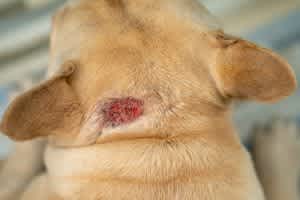
Hot spot on the back of the head
Causes of hot spots in dogs
Hot spots often develop when a dog repeatedly licks, chews or scratches their skin. Common triggers and contributing factors include:
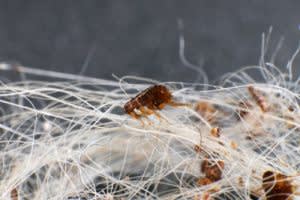
Allergies, including food allergies, environmental allergies and flea allergy dermatitis
Wounds, or other skin injuries
Stress or pain, which may contribute to excessive licking or chewing
Matted fur, which can trap moisture and irritate the skin
Ear disease, which can cause scratching around the ears
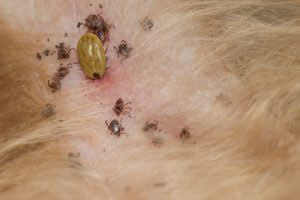
Insect bites, which can cause local irritation and itching
Anal gland disease, which may cause licking or chewing around the tail base and hindquarters
Hot spots can worsen and spread quickly, particularly if your dog continues to lick, chew or scratch the affected area. Contact your vet if you notice a hot spot, as treatment may be needed and the underlying cause should also be addressed.
Our Joii team is available 24 hours a day for advice.
Symptoms of hot spots in dogs
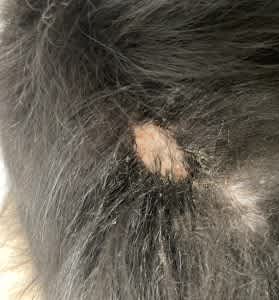
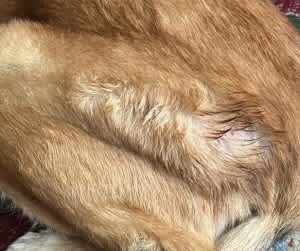
Hot spots are areas of inflamed, damaged skin that can develop anywhere on the body, but are commonly found around the head, neck, hips and limbs. They can develop quickly and may become larger if your dog continues to lick, chew or scratch the affected area.
The affected skin may be:
Red, swollen and warm
Moist or wet, sometimes with oozing or discharge
Painful or sensitive to touch
Smelly, especially if a secondary infection is present
Bald, with hair loss around the affected area
Other signs may include:
Constant licking, scratching or biting at the affected area
Are some dogs at more risk of hot spots than others?
Any dog can develop a hot spot, but some factors can increase the risk:
Allergies: Dogs with allergies can be more prone to hot spots because itching can lead to repeated licking, chewing or scratching. Breeds commonly affected by allergic skin disease include English and French Bulldogs, Labrador Retrievers, and West Highland White Terriers.
Ear or anal gland problems: Dogs with ear disease may scratch around their ears. Dogs with anal gland disease may lick or chew around their hindquarters. These behaviours can trigger hot spots.
Thick or long coats: Dogs with dense coats may be more prone to trapped moisture and matting.
Skin folds and excess weight: Skin folds can trap moisture and cause friction, increasing the risk of irritation. Excess weight may worsen this by making skin folds more prominent or harder to keep clean and dry.
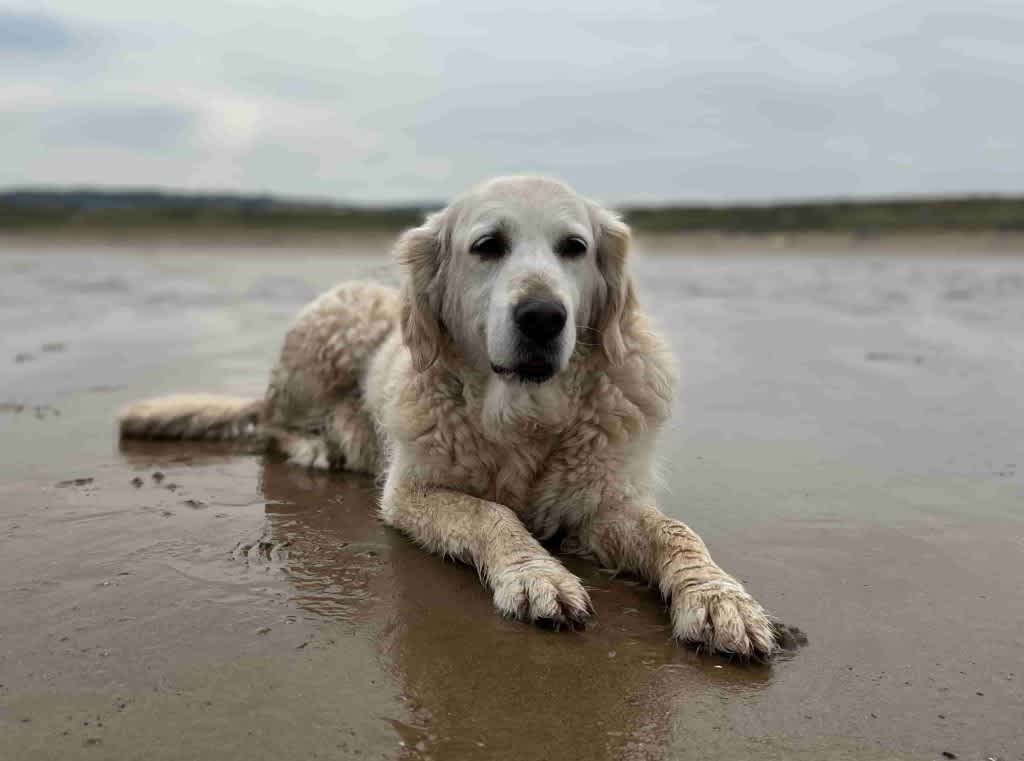
Frequent swimming or bathing: If a dog's coat stays damp, particularly beneath thick fur or in skin folds, the moisture can contribute to skin irritation and hot spots.
How are hot spots diagnosed in dogs?
Hot spots are usually diagnosed by a vet based on the appearance of the skin and any other symptoms your dog may be showing.
Further tests may be recommended if the affected area is not healing, hot spots keep returning, or an underlying condition is suspected.
Depending on your dog's signs, tests may include:
Skin tests: Skin samples, such as skin scrapings, hair plucks or swabs, may be collected to check for parasites or infection. A biopsy may be recommended if the diagnosis is unclear.
Ear examination and testing: If ear disease is suspected, your vet may examine the ears and collect a swab for testing.
Blood or urine tests: These may be recommended if your dog has other signs of illness or an underlying condition is suspected.
Allergy investigations: Allergy testing may be considered in dogs with suspected environmental allergies, usually after other causes of itching have been assessed. An elimination diet trial may be recommended if a food allergy is suspected.
Imaging, such as X-rays: May be recommended if your vet suspects an underlying injury or another cause of pain.
Vet treatment for hot spots in dogs
Treatment depends on how severe the hot spot is and what has caused it. It may include:
Clipping the hair: Your vet may clip the hair around the affected area to assess the full extent of the lesion and allow the skin to be cleaned.
Cleaning the skin: The affected area is gently cleaned with an appropriate antiseptic solution to remove discharge and debris.
Sedation or general anaesthesia: Some dogs need sedation or general anaesthesia if the area is very painful, extensive or difficult to treat while they are awake.
Prescription medications may include:
Antibiotics: These may be prescribed if a bacterial infection is present. Depending on the severity, your vet may recommend topical treatment, such as a medicated spray or cream, or oral antibiotics. Systemic antibiotics should be reserved for cases where they are clinically indicated.
Anti-itch medication: Medication may be used to reduce itching and help prevent further licking, chewing or scratching.
Treatment of underlying conditions may include:
Parasite treatment: To treat fleas or mites, if present, and help prevent reinfestation.
Ear medication: If an ear infection or inflammation is contributing to scratching.
Pain relief: If the hot spot or an underlying condition is painful.
Treating the underlying cause is important to reduce the risk of hot spots returning.
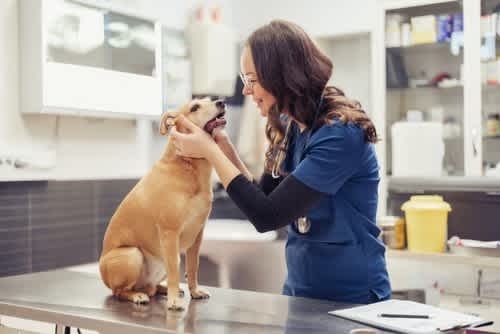
How to look after a dog with a hot spot at home
Always seek advice from a vet if you suspect your dog has a hot spot. The affected area can be larger or more severe than it first appears, and treatment may be needed to help the skin heal.
You can help at home by:
Temporarily using a suitable protective collar to stop your dog from reaching the affected area.
Keeping the area clean and dry. Follow your vet's advice on cleaning the skin. Avoid scrubbing the area or applying human creams, antiseptics or other products unless your vet recommends them. Your vet may suggest a suitable medicated shampoo, mousse or topical treatment.
Following your vet's advice about diet. If a food allergy is suspected, your vet may recommend an elimination diet using a novel or hydrolysed protein diet. A novel protein is one your dog has not eaten before. Speak to your vet before starting a trial.
Use vet-recommended flea and mite treatments where appropriate. If fleas are present, all pets in the household may need treatment with suitable products.
Our Joii team can advise you on suitable diet options, skin supplements, ear cleaners and shampoos.
Tips on how to prevent hot spots in dogs
It's not always possible to prevent hot spots in dogs, but the following measures can help reduce the risk:
Use a vet-recommended parasite control product suited to your dog’s lifestyle and individual risk of exposure to parasites.
Regularly clean bedding, collars and brushes. Keep food and water bowls clean.
Brush your dog according to their coat type and check their skin at least once a week for redness, irritation, hair loss or damp areas.
Choose a balanced food appropriate for your dog's age and lifestyle. Some dogs with skin conditions may benefit from a veterinary diet or other nutritional support recommended by a vet.
Omega-3 fatty acids may help support skin health in some dogs.
Some dogs benefit from regular bathing with a suitable shampoo or from ear cleaning, depending on their skin and ear health. Follow your vet's advice, as inappropriate products or excessive bathing can irritate the skin.
Maintain a healthy weight. Excess weight can make skin folds harder to keep clean and dry. Use our body condition scoring chart to help assess your dog's body condition.
Contact your vet if your dog develops persistent itching, licking or scratching. Treating the underlying cause early can help prevent skin damage.
Is my family at risk of catching hot spots?
Hot spots themselves are not contagious to people. However, some underlying conditions that cause skin problems, such as ringworm or certain types of mange, can spread between animals and people.
If your dog has an undiagnosed skin condition, wash your hands after handling the affected area and follow your vet's advice. Contact your doctor if you develop a rash or have concerns about possible exposure.
When to worry about hot spots in dogs
Contact your local vet practice promptly if:
The affected area is spreading, very painful, swollen, bleeding or producing discharge.
The skin has an unpleasant smell or the hot spot is not improving with the prescribed treatment.
Hot spots keep returning, or your dog has persistent itching.
Your dog is very unwell, unusually lethargic or has significant pain.
Speak to a Joii vet if:
You have questions about suitable skin-care products.
Your dog has a skin problem and you are unsure what to do next.
You need advice on helping your dog maintain a healthy weight.
Our Joii team is available 24 hours a day for advice.
Recommended products


Last updated