Pyoderma in dogs is a term used to describe a bacterial skin infection. In most cases, there is an underlying cause, such as parasites or allergies. There are several types of pyoderma, with superficial pyoderma being the most common.
Most cases of pyoderma can be successfully treated. However, if the underlying cause is not identified or controlled, pyoderma can become a recurring condition. Dogs of any age, breed or sex can be affected. Pyoderma is rarely life-threatening, and the prognosis is usually good with appropriate treatment.
What is pyoderma in dogs?
Every dog has bacteria living naturally on their skin, many of which are harmless. Pyoderma occurs when bacteria multiply and cause a skin infection, often because the skin's natural barrier has been disrupted.
Pyoderma in dogs is a bacterial skin infection that develops when the skin's natural defences are compromised.
This can happen due to skin damage from scratching, friction or trauma, as well as conditions that affect the skin's barrier or immune defences.
There are different types of pyoderma in dogs, classified according to how deeply the infection affects the skin. Surface pyoderma includes skin fold infections and some hot spots. Superficial pyoderma affects the outer layers of the skin and hair follicles, while deep pyoderma extends into deeper tissues. Puppy pyoderma, also known as puppy impetigo, is a type of superficial bacterial skin infection.
Pyoderma usually develops secondary to an underlying cause, but this may not always be immediately obvious.
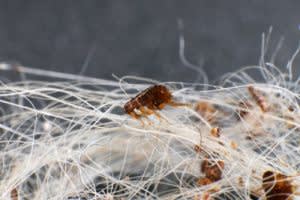
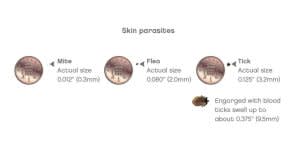
Common underlying causes include fleas, mange, food allergies, environmental allergies, and endocrine disease, such as hypothyroidism or Cushing’s syndrome. Skin irritation, poor grooming and certain immune-related conditions can also contribute.
Treatment depends on the type and severity of the infection. Surface and superficial pyoderma can often be treated with topical antibacterial products, such as medicated shampoos, wipes or sprays. Oral antibiotics may be needed for deep infections or cases that do not respond to topical treatment.
Pyoderma in dogs often responds well to appropriate treatment. However, if the underlying cause is not identified and managed, the infection can recur.
Our Joii vets are available 24 hours a day if you have any concerns about your dog.
Symptoms of pyoderma in dogs
The most common signs of pyoderma in dogs include:
Itchiness: not all dogs with pyoderma are itchy, but some show excessive scratching, biting or licking.
Spots or small raised bumps, sometimes containing pus (pustules).
Red skin, circular areas of scaling or crusting, or flaky patches.
Smelly skin, particularly in moist or infected skin folds.
Hair loss or hair thinning.
Deep pyoderma tends to cause more severe signs, such as painful or swollen areas, dark or bloody crusts, open sores or areas draining pus. Dogs with severe infections may also show lethargy and pain.

Are some dogs more at risk of pyoderma than others?
Any dog, regardless of age, breed or lifestyle, can develop pyoderma. However, some dogs are more prone to certain types:
Skin fold infections: breeds at higher risk include Bulldogs, Pugs, Pekingese and Shar-Pei, which are prone to facial skin fold problems. Spaniels, including Cocker Spaniels, can be prone to lip fold infections.
Dogs with allergies: dogs with flea allergy dermatitis, food allergies or environmental allergies may be more likely to develop pyoderma because inflammation and scratching can damage the skin barrier.
German Shepherds: this breed has been associated with severe, recurrent deep pyoderma, although deep infections can affect any breed.

How is pyoderma diagnosed in dogs?
Pyoderma is usually diagnosed by examining a skin sample under a microscope to look for bacteria and inflammatory cells.
Further tests may be needed to identify the underlying cause or guide treatment, especially in recurrent or non-responsive cases:
Skin scrapes, hair plucks or other skin samples may be taken to check for parasites and other skin conditions.
Bacterial culture and sensitivity testing may be recommended, particularly for deep or recurrent infections, or when oral antibiotics are being considered. This helps identify the bacteria involved and which antibiotics are likely to be effective.
Skin biopsy may be needed for unusual lesions or infections that do not respond as expected.
Blood and urine tests may be recommended if an underlying disease is suspected.
Further allergy investigations, such as a diet trial, may be recommended if allergies are suspected.
What’s the treatment for pyoderma in dogs?
Treatment depends on the type and severity of pyoderma and whether there is an underlying cause.
Antibiotics are not always needed, as many surface and superficial infections can be treated with topical antibacterial products alone. Some mild cases of puppy pyoderma may also resolve without antibiotic treatment.
Topical treatment: Surface and superficial pyoderma can often be treated with medicated shampoos, wipes, mousses or solutions containing antibacterial ingredients such as chlorhexidine. Your vet may advise wearing gloves when applying, as chlorhexidine can cause allergic reactions in some people.
Oral antibiotics: These may be needed for deep infections, or when topical treatment is not effective or practical. The duration of treatment depends on the severity of the infection and the dog's response. Regular reassessment with a vet is important in these cases.
Treating the underlying cause: Additional treatment may be needed to manage underlying conditions, such as allergies, parasites or hormonal disease. This helps reduce the risk of the infection returning.
How to look after a dog with pyoderma at home
You can help your dog recover from pyoderma at home by:
Keeping their bedding clean and dry.
Giving any prescribed medication at the correct dose and frequency, as advised by your vet.
Using prescribed topical treatments, such as medicated shampoos, wipes or mousses, as directed.
Using a protective collar to prevent scratching, licking or chewing that could worsen the infection. Your vet might recommend this temporarily.
Attending follow-up vet appointments to check that the infection has cleared.
Tips on how to prevent pyoderma in dogs
Not all cases of pyoderma are preventable, but there are some steps you can take to help reduce the risk:
Medicated bathing: regular bathing with a vet-recommended medicated shampoo may help dogs prone to recurrent superficial pyoderma. The frequency depends on the product and your dog's needs.
Skin fold care: keep skin folds clean and dry. Vet-recommended wipes may help, particularly for dogs prone to skin fold infections.
Balanced nutrition: feed your dog a complete and balanced diet to support skin health.
Parasite control: use vet-recommended parasite prevention. Type and frequency depend on your dogs age and lifestyle.
Manage underlying conditions: work with your vet to identify and manage underlying causes, such as allergies or hormonal disease.
Omega oils: omega-3 fatty acids may support skin health in some dogs, particularly those with inflammatory skin conditions.

Is my family at risk of catching pyoderma?
The bacteria involved in canine pyoderma, including Staphylococcus pseudintermedius, can sometimes spread between dogs and people. However, infections in humans are uncommon, and the risk is generally low for healthy people. Good hygiene, including washing your hands after handling affected skin or applying treatments, can help reduce the risk. Extra care is advisable around people with weakened immune systems.
When to worry about your dog with pyoderma
Arrange an appointment with your vet if:
Your dog is constantly scratching, licking or chewing their skin.
Your dog is being treated for pyoderma but their skin is not starting to improve within a few days, or the infection is getting worse.
Your dog has skin problems alongside lethargy or a reduced appetite. Seek prompt veterinary advice if your dog is very lethargic or refusing food.
Speak to one of our Joii vets if:
Your puppy has developed spots or pustules on their skin.
You would like advice about bathing your dog or using medicated skin products.
You need help choosing a suitable parasite preventative for your dog.
Recommended products


Last updated